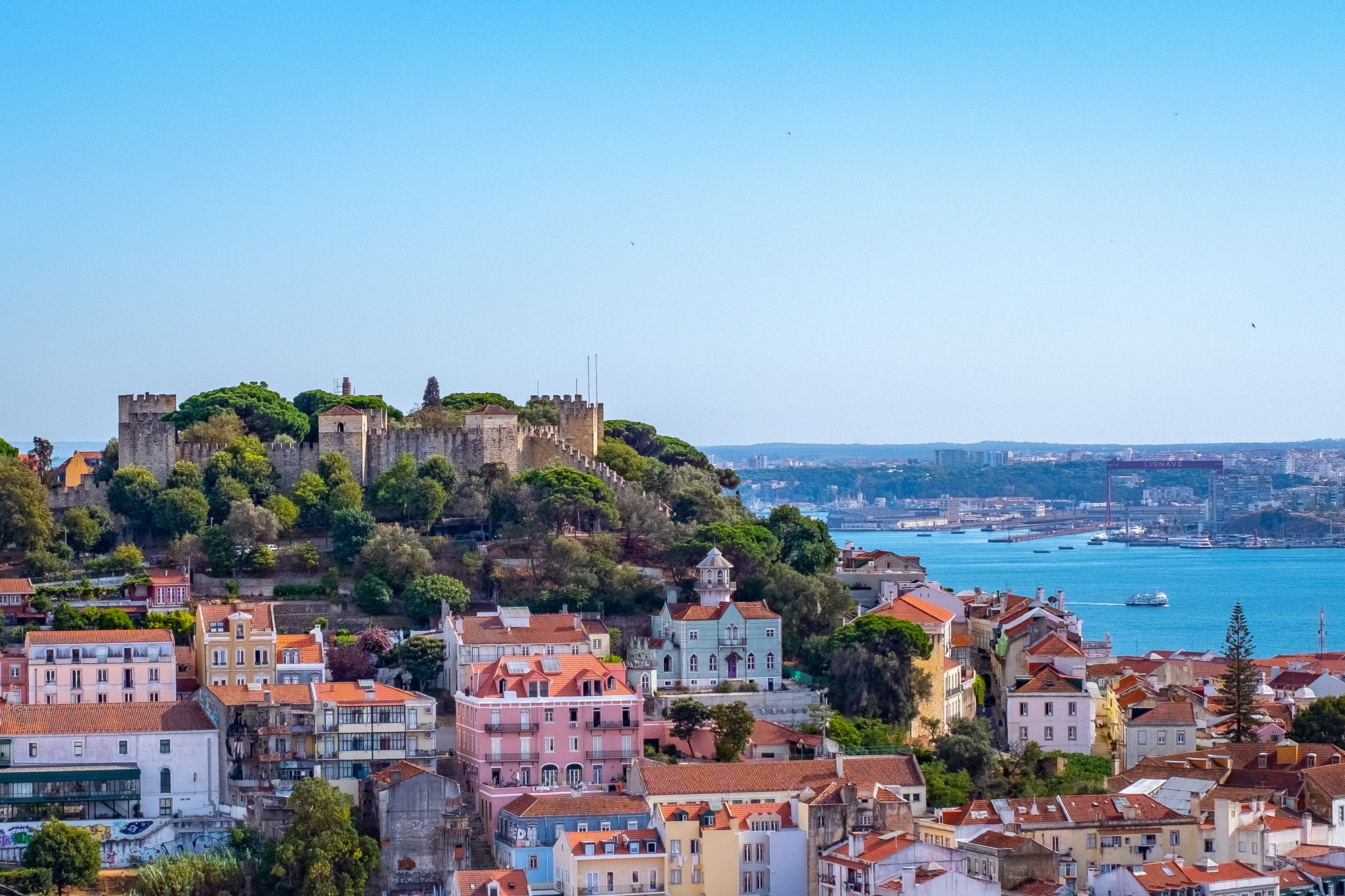
São Jorge Castle
Moorish fortress above the old town
Overview
The best attractions in Lisbon at a glance, from Belém Tower to São Jorge Castle, with 2026 prices, free tips and the Lisboa Card.
Moorish fortress above the old town
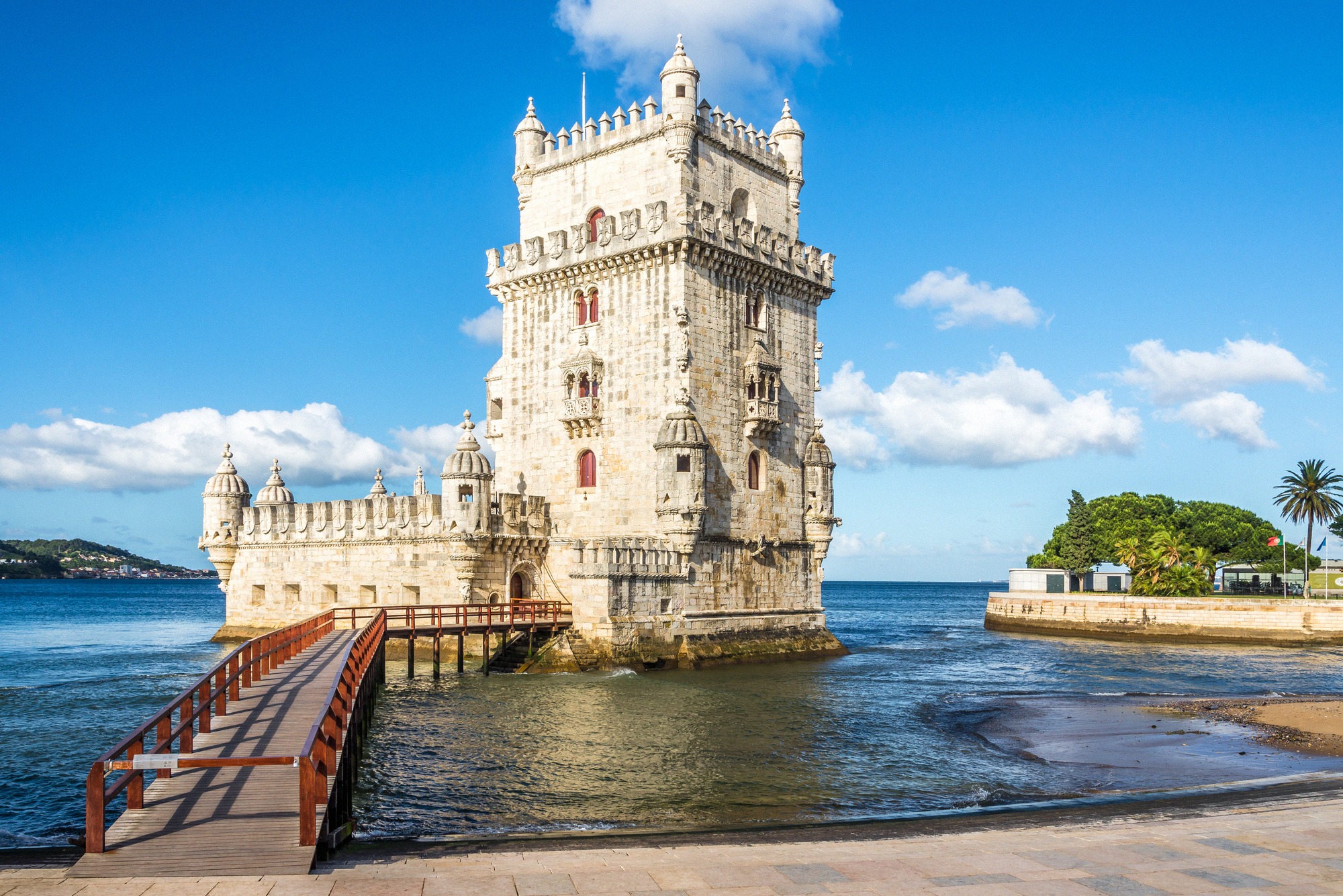
Fortified tower and landmark on the Tagus
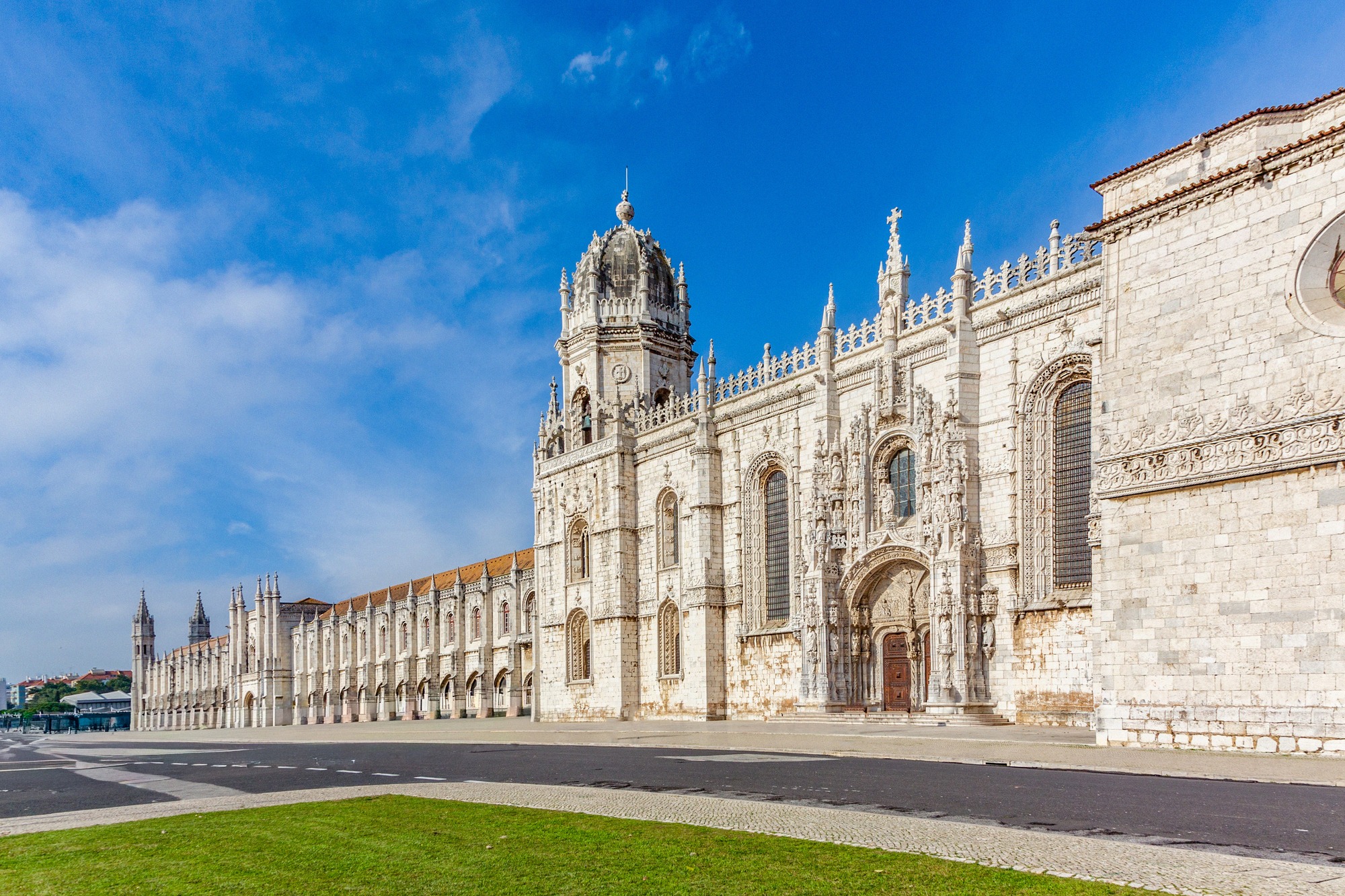
Monastery of the Hieronymites in Belém
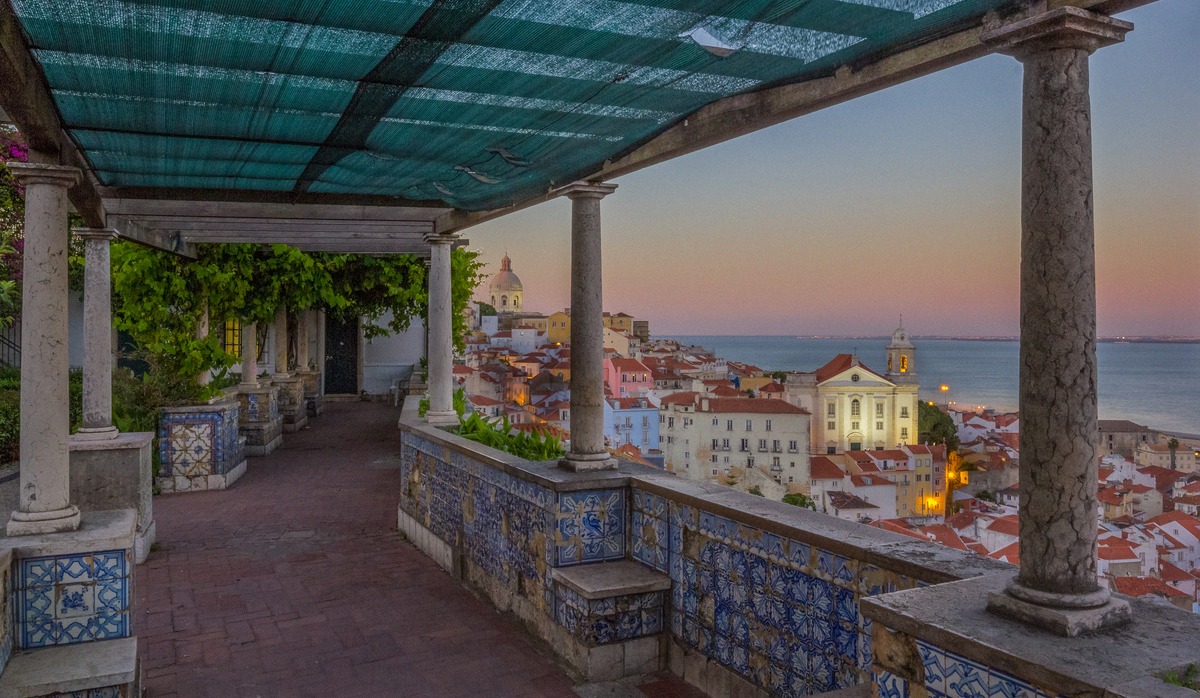
Tiled viewpoint terrace in Alfama
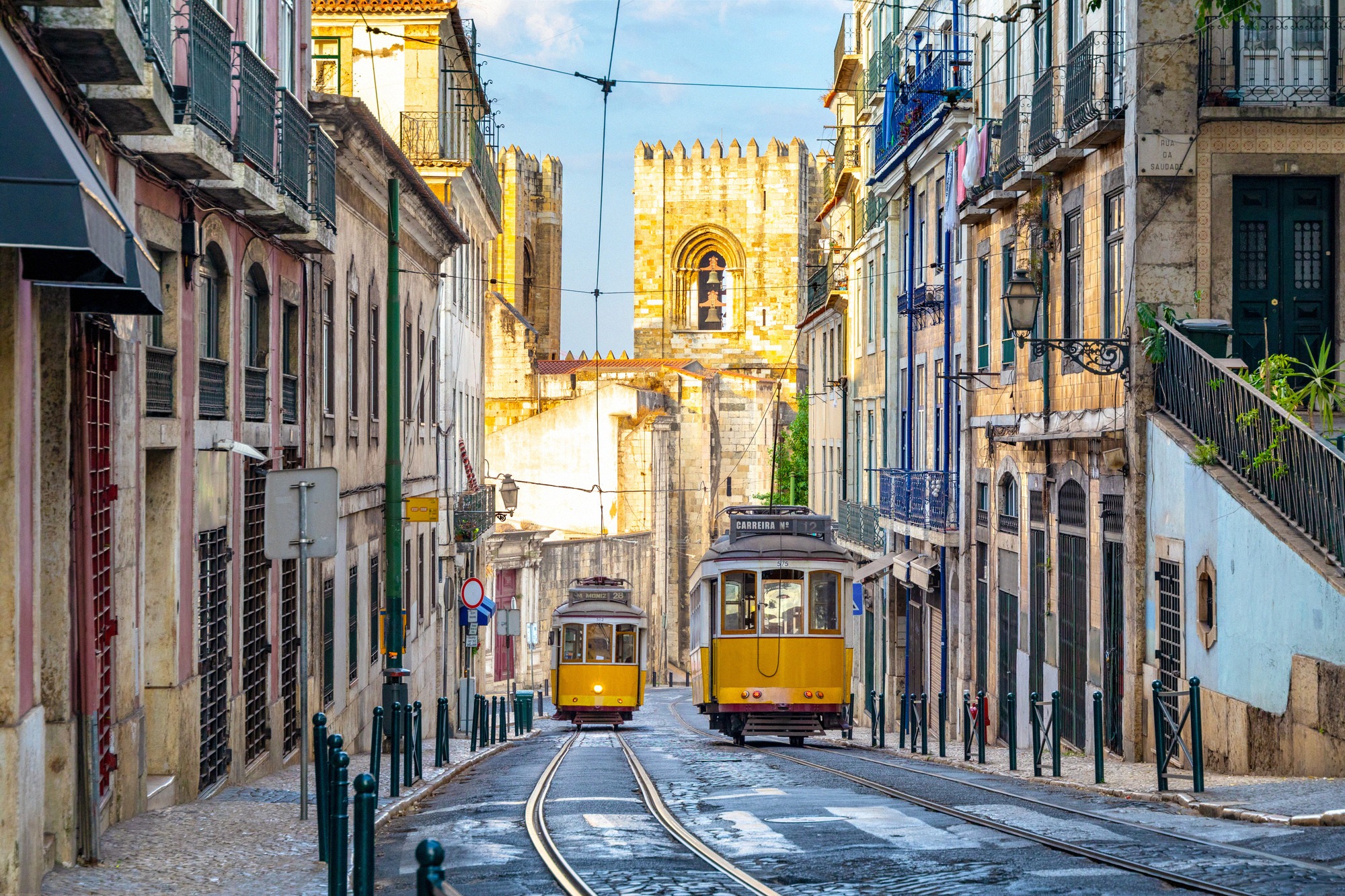
Historic tram through the old town
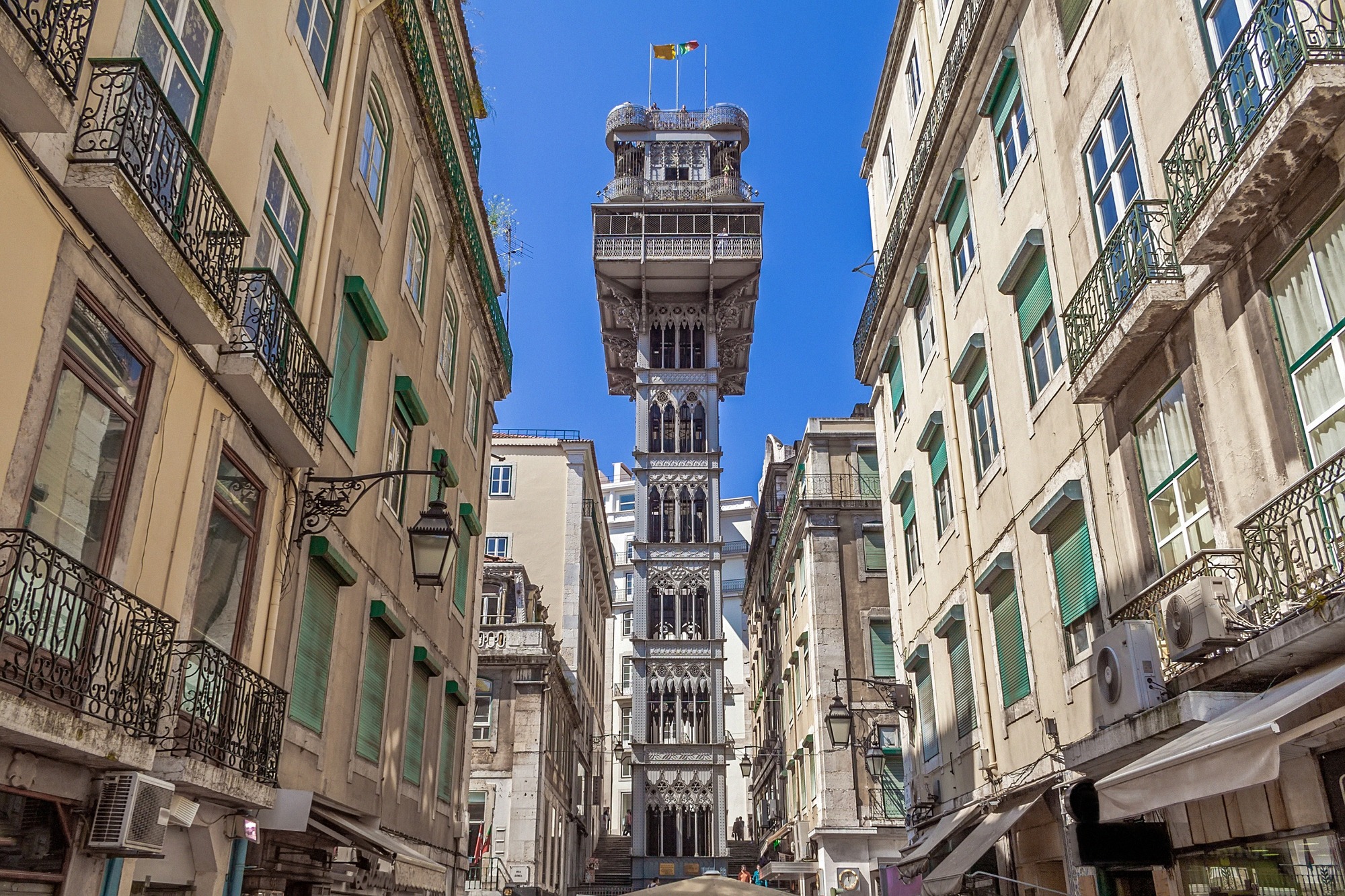
Neo-Gothic cast-iron lift from 1902 with a viewing platform
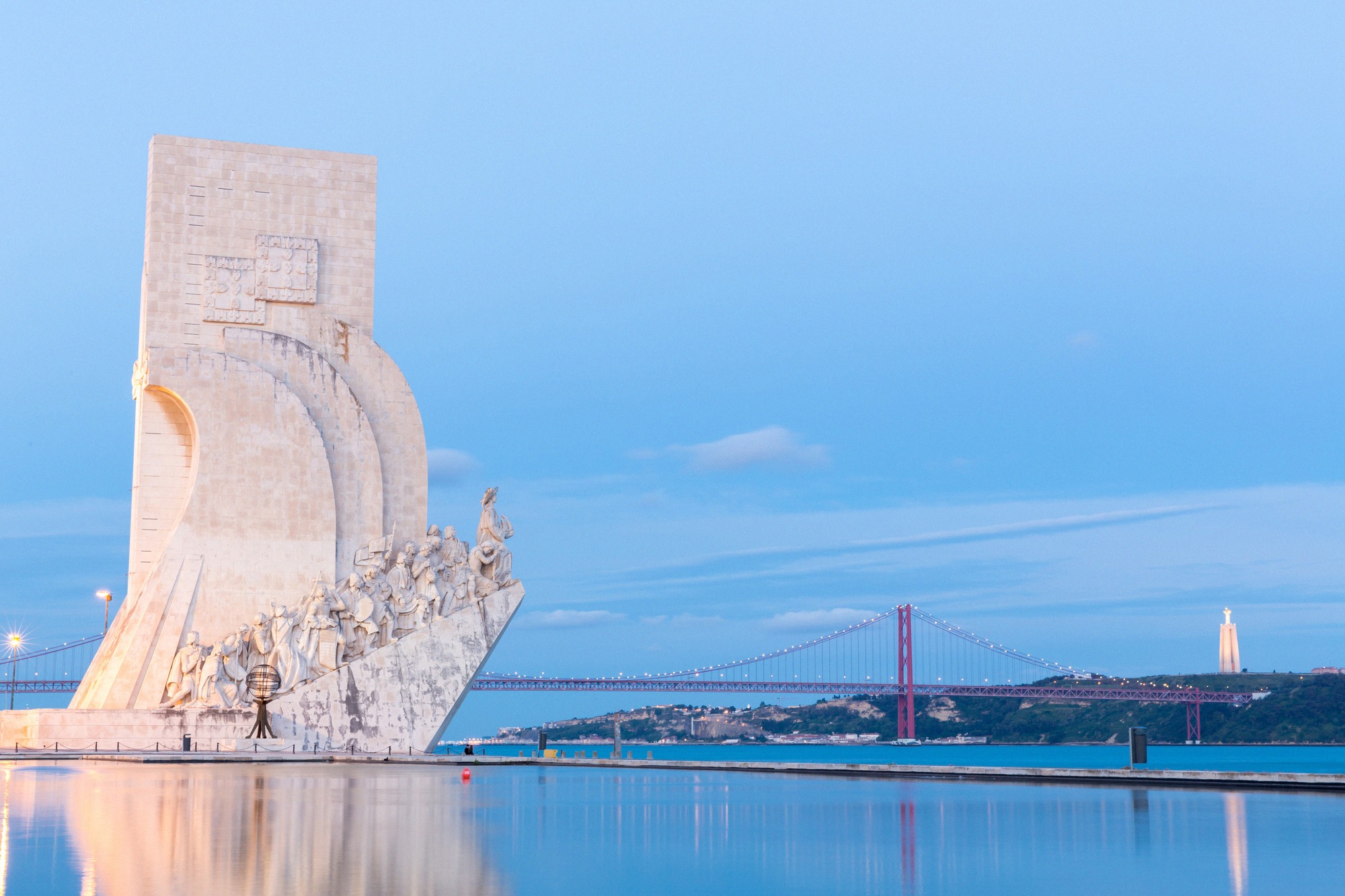
Age-of-Discovery monument shaped like a caravel's bow, in Belém
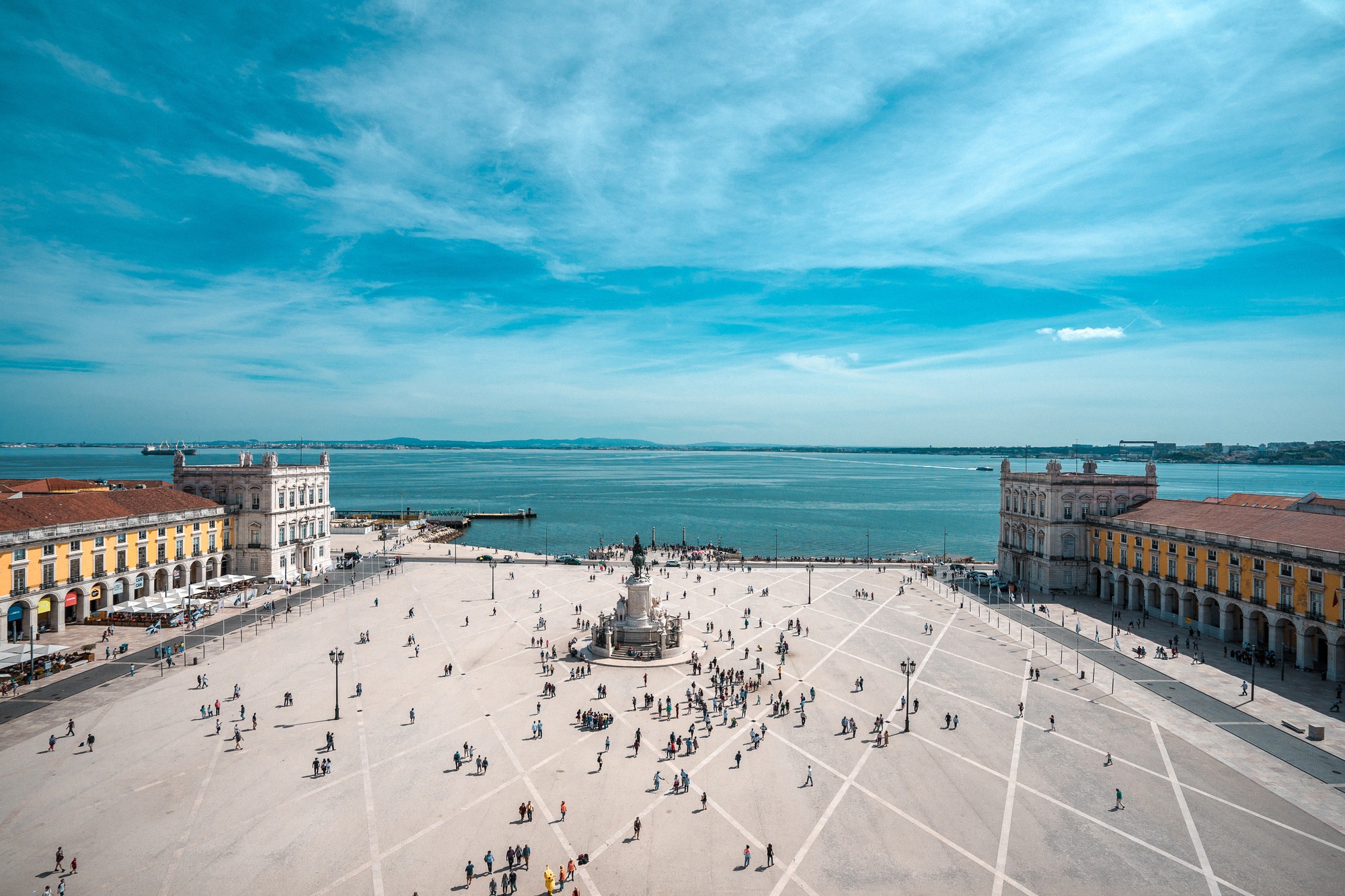
Grand square on the Tagus
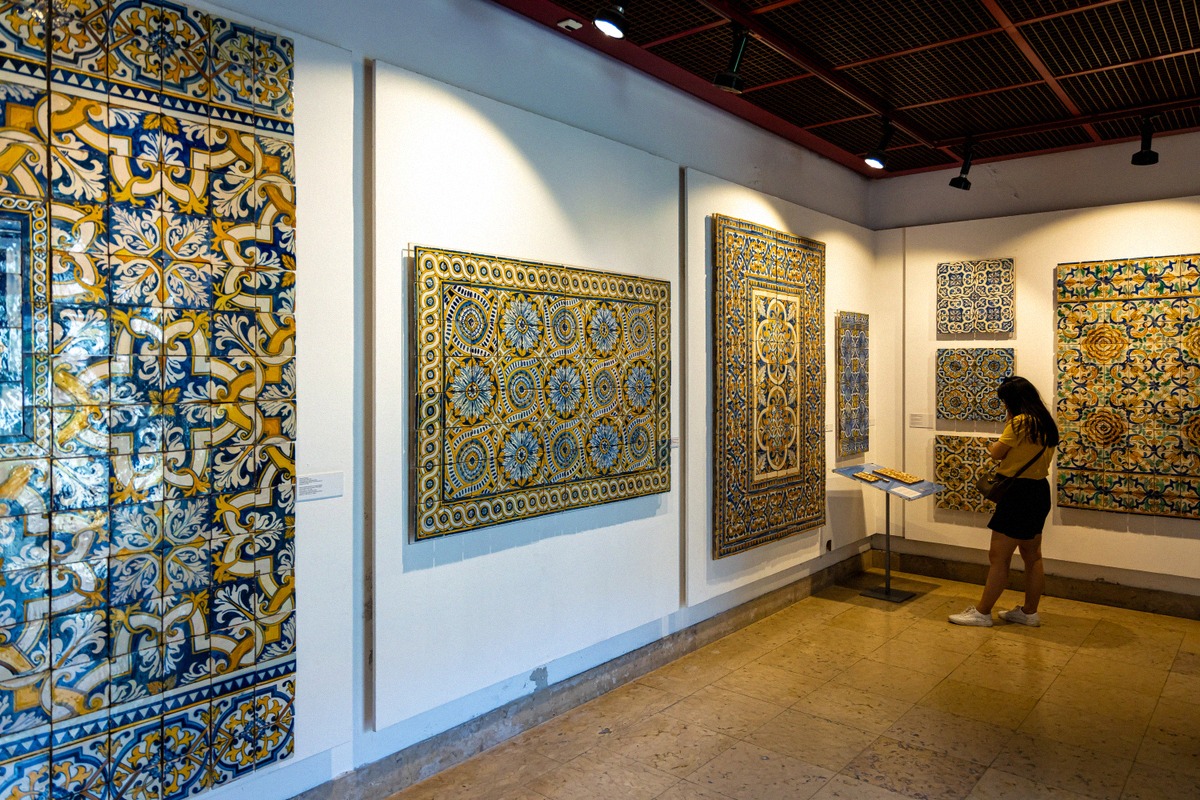
Tile art in the Madre de Deus Convent
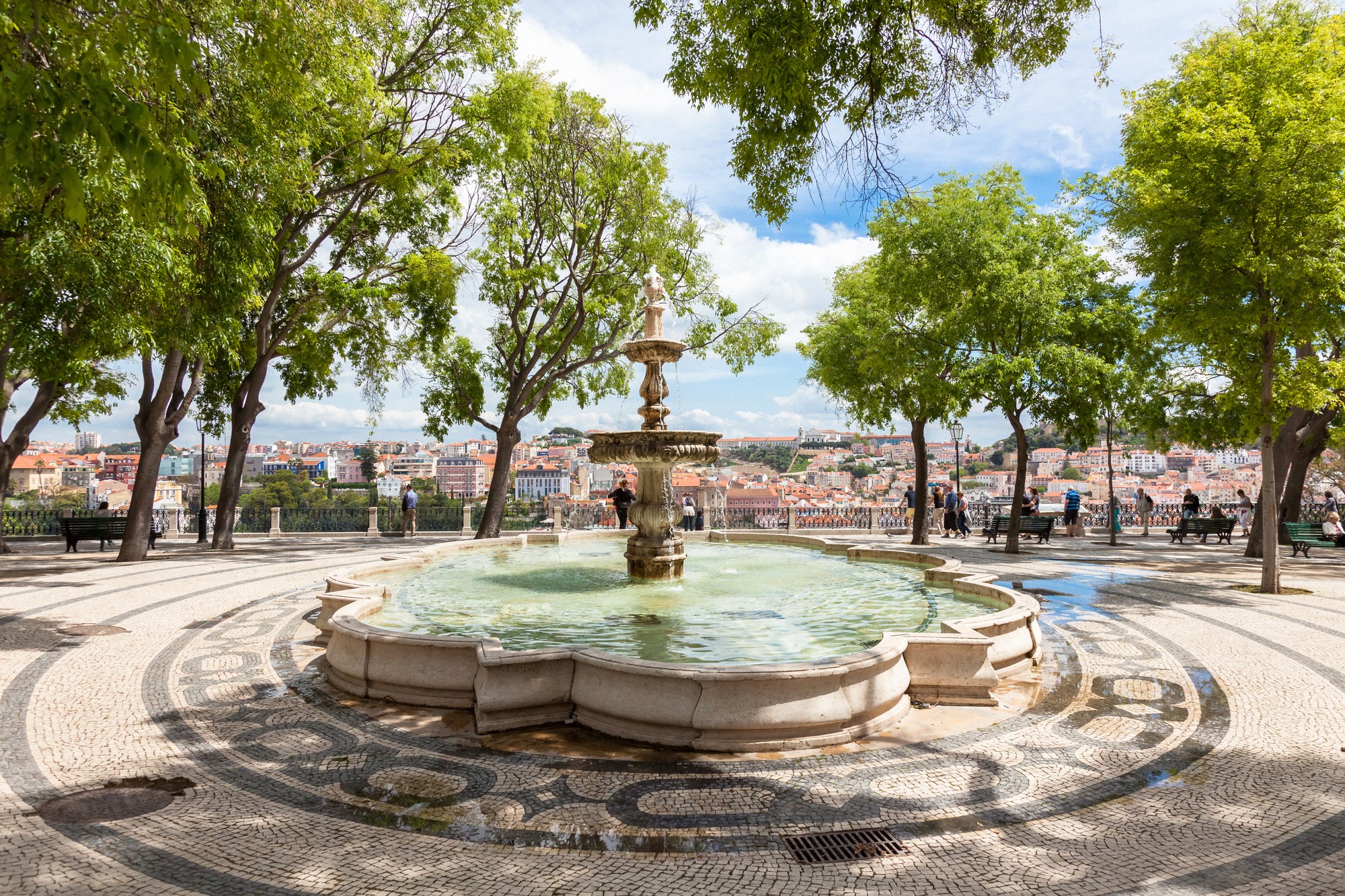
Viewpoint garden in Bairro Alto
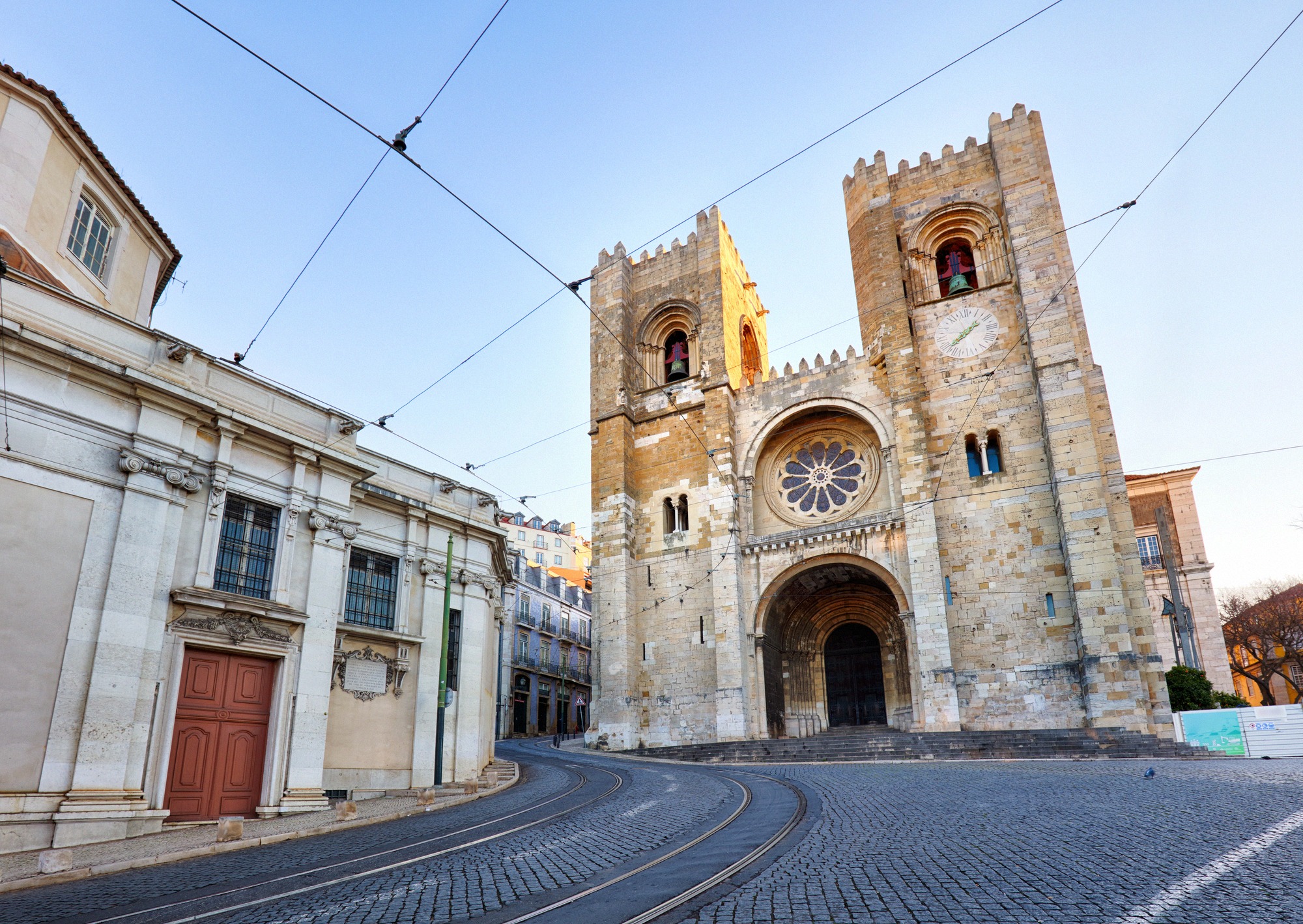
Romanesque fortress-cathedral from 1147
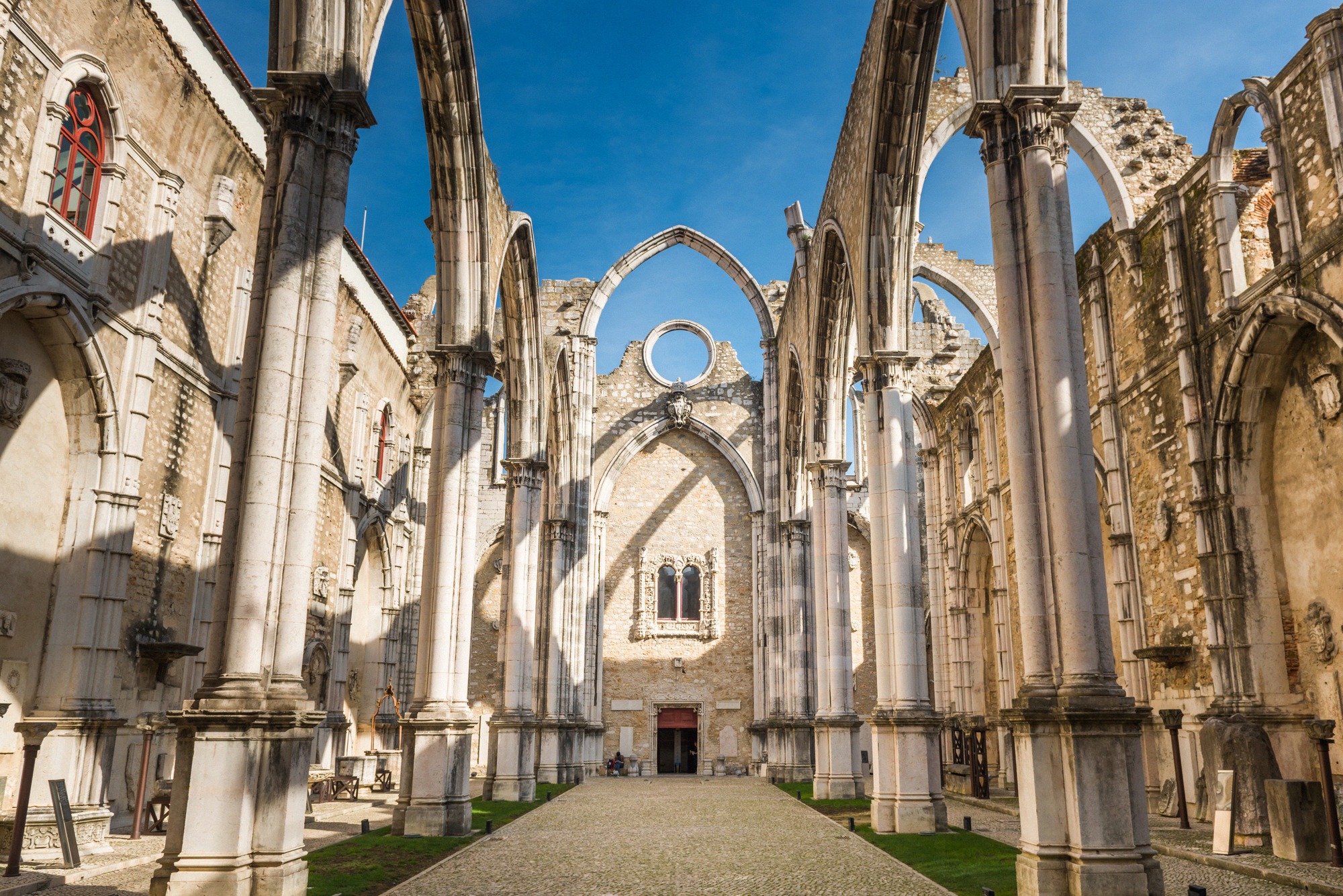
Ruined convent & archaeology museum

Curated food hall with Lisbon's top chefs
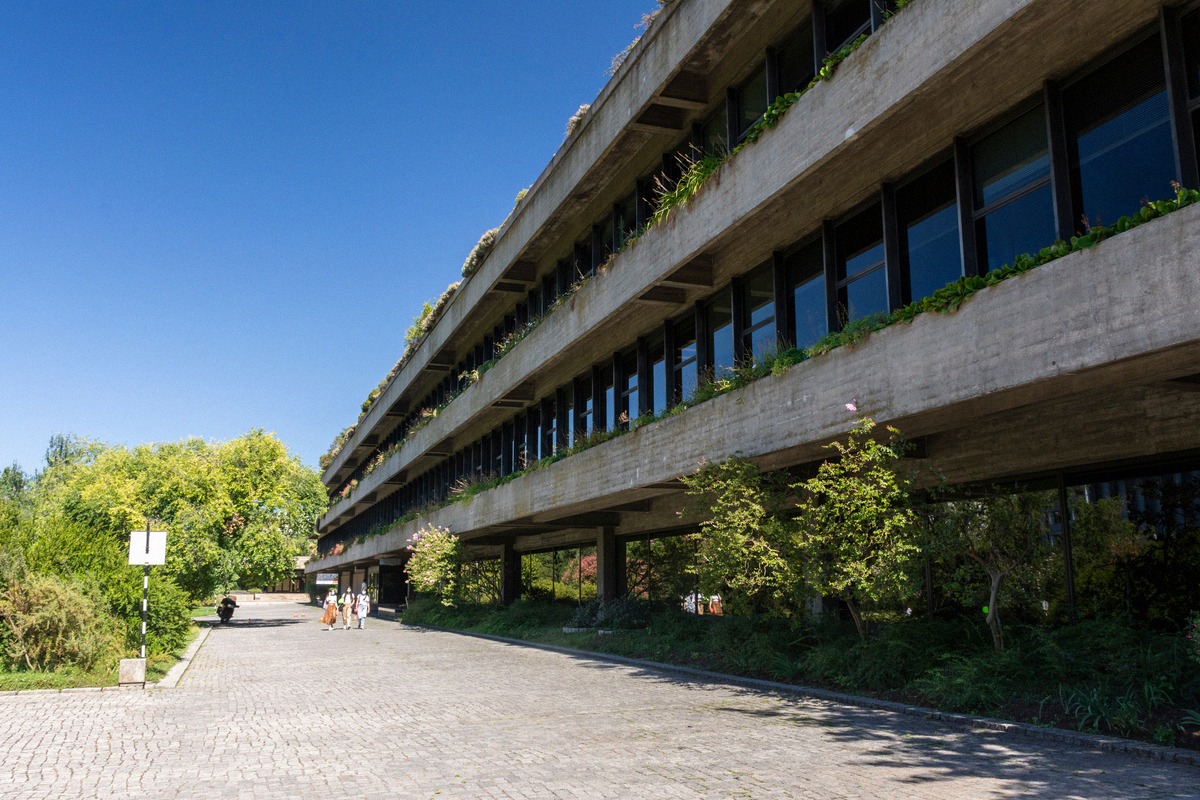
Art museum with a Lalique collection in Avenidas Novas
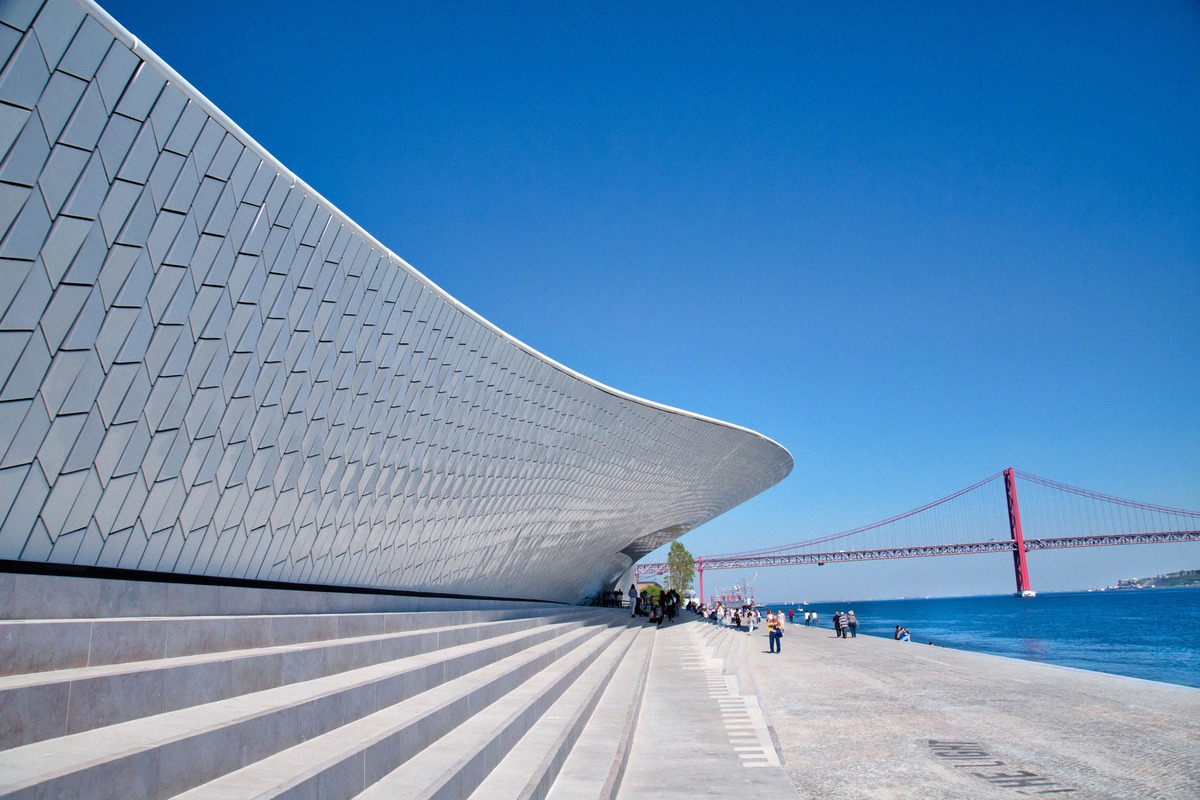
Art and architecture museum on the Tagus in Belém
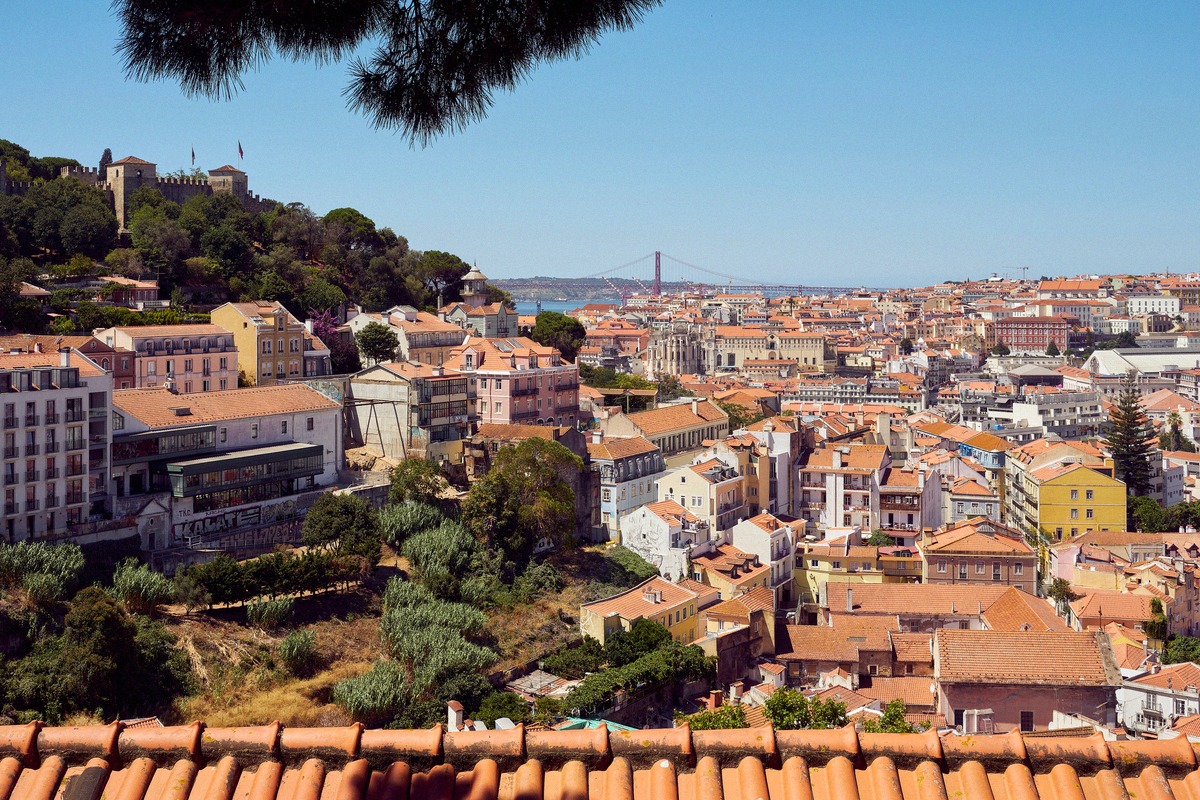
Viewpoint under pines in Graça
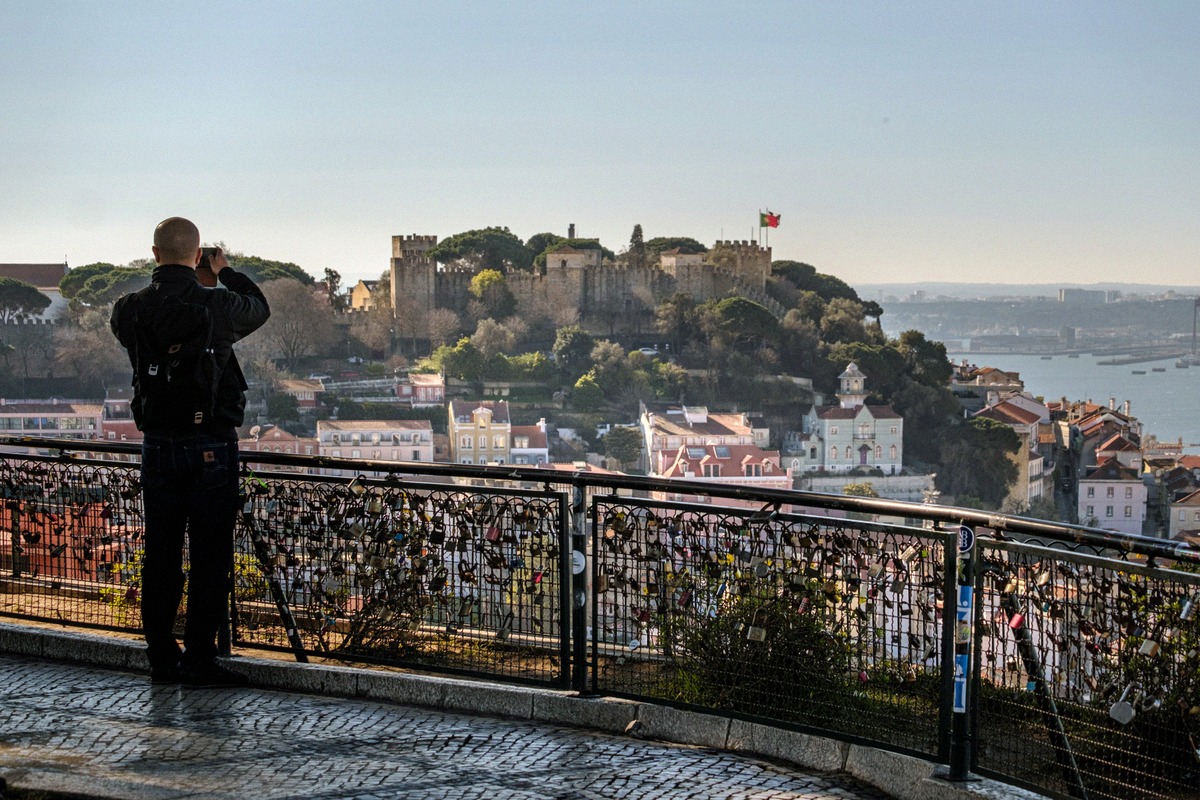
Lisbon's highest viewpoint, above Graça
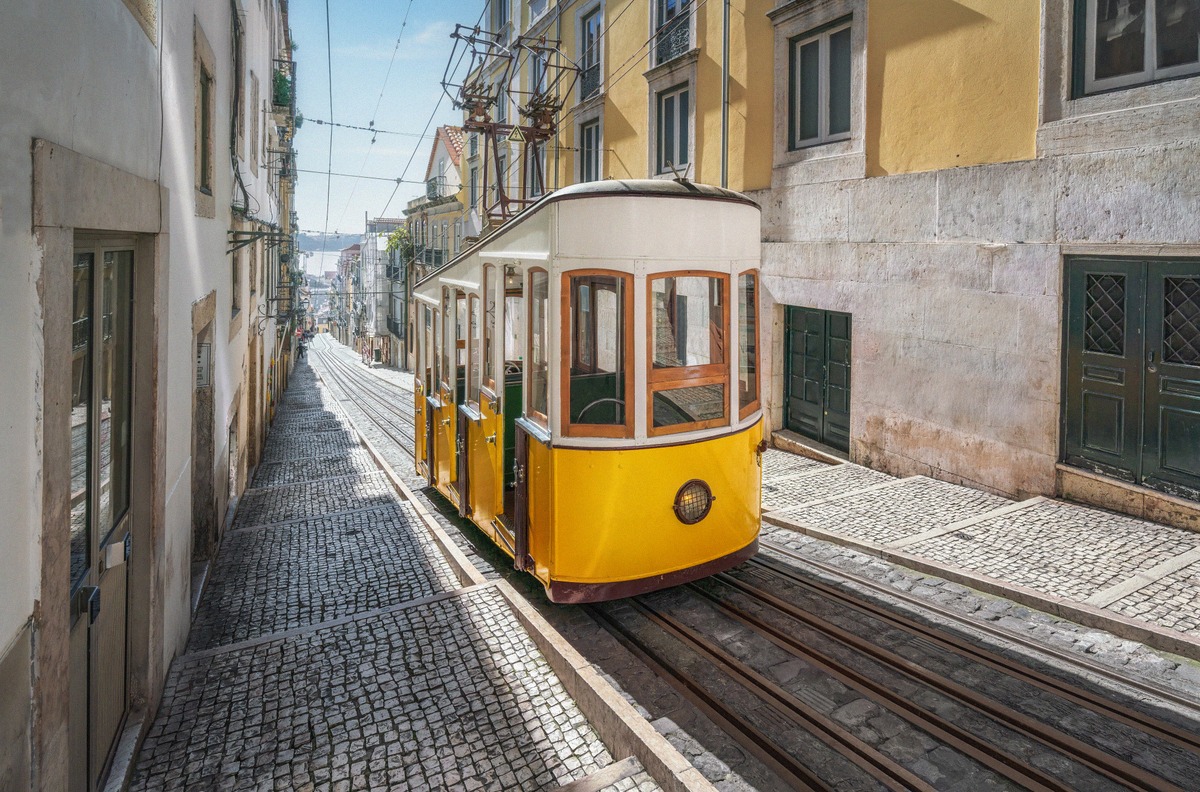
Yellow funicular from 1892 in the Bica district
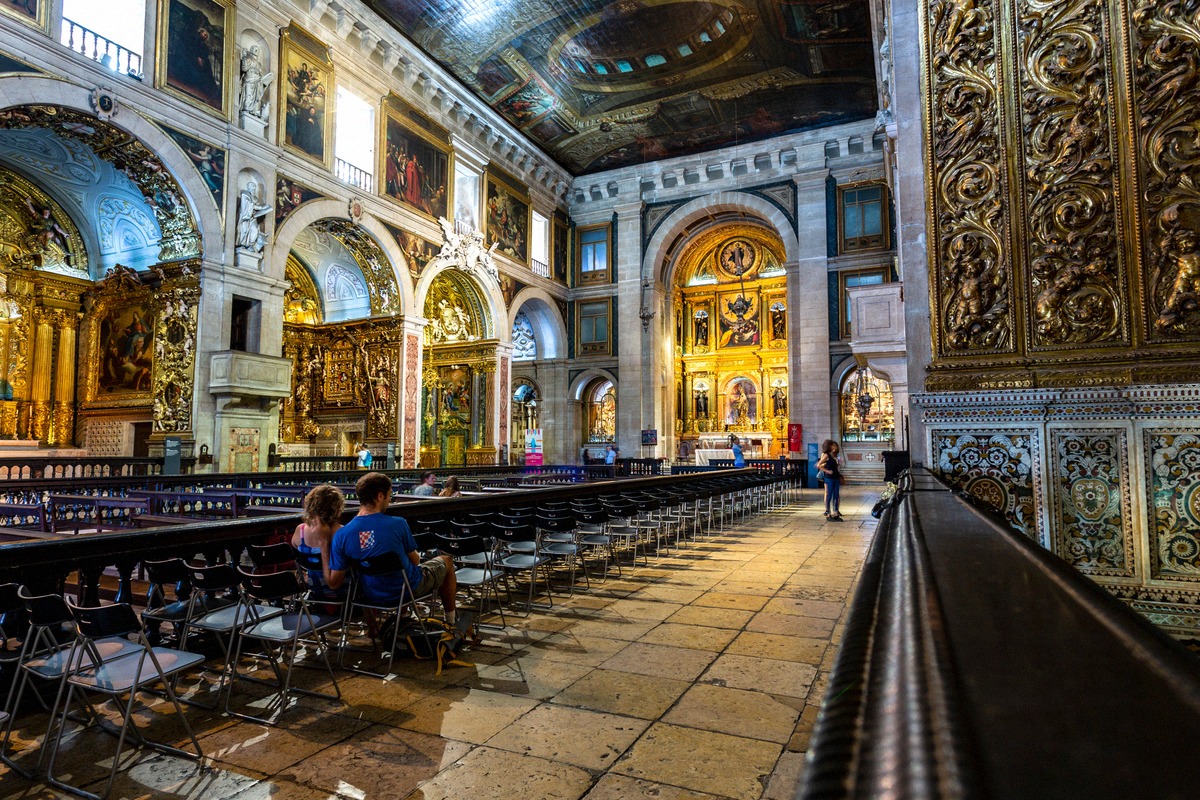
Jesuit church with a Rome-made gold chapel
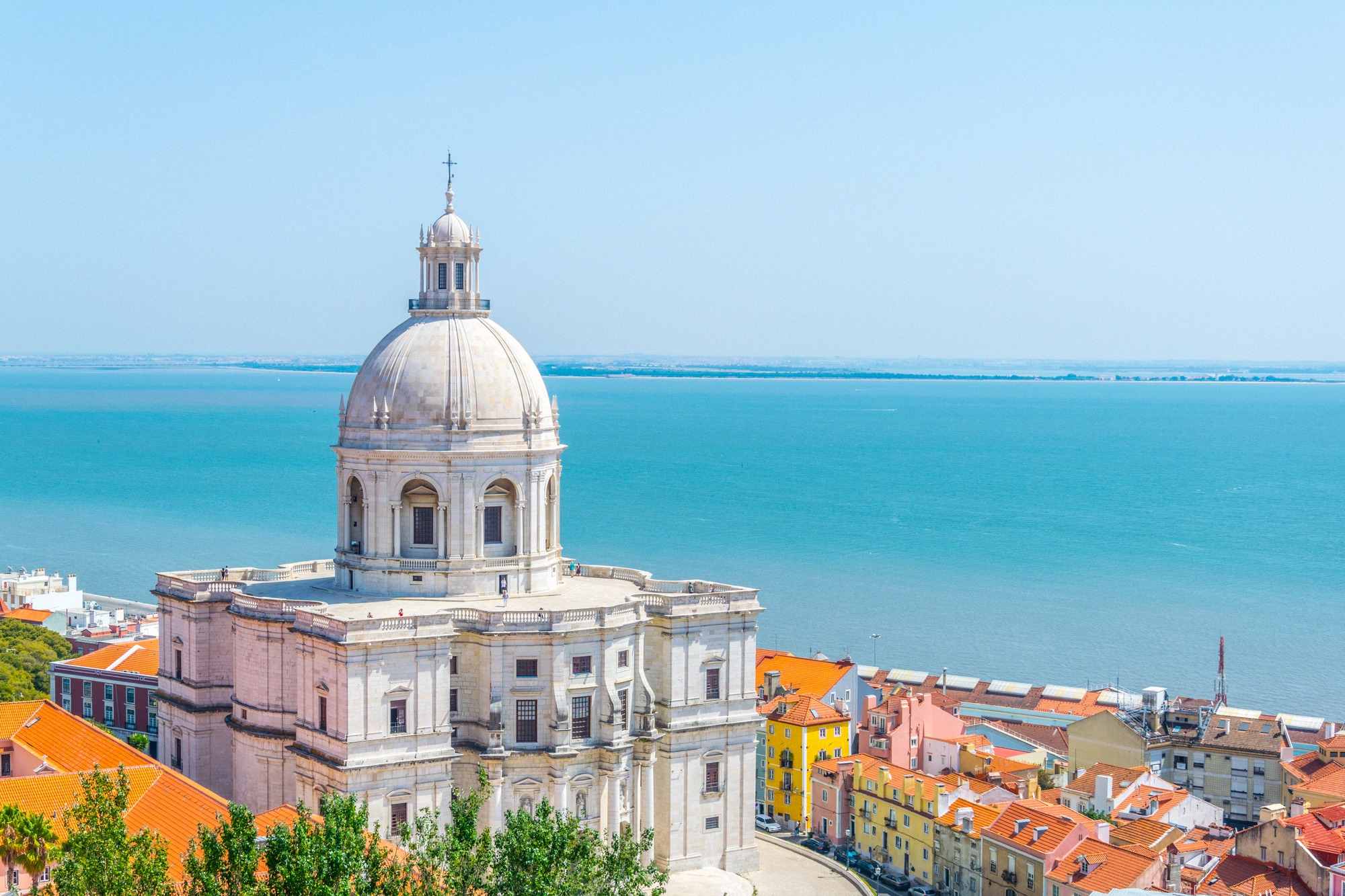
National Pantheon in the church of Santa Engrácia

White-domed baroque basilica above western Lisbon
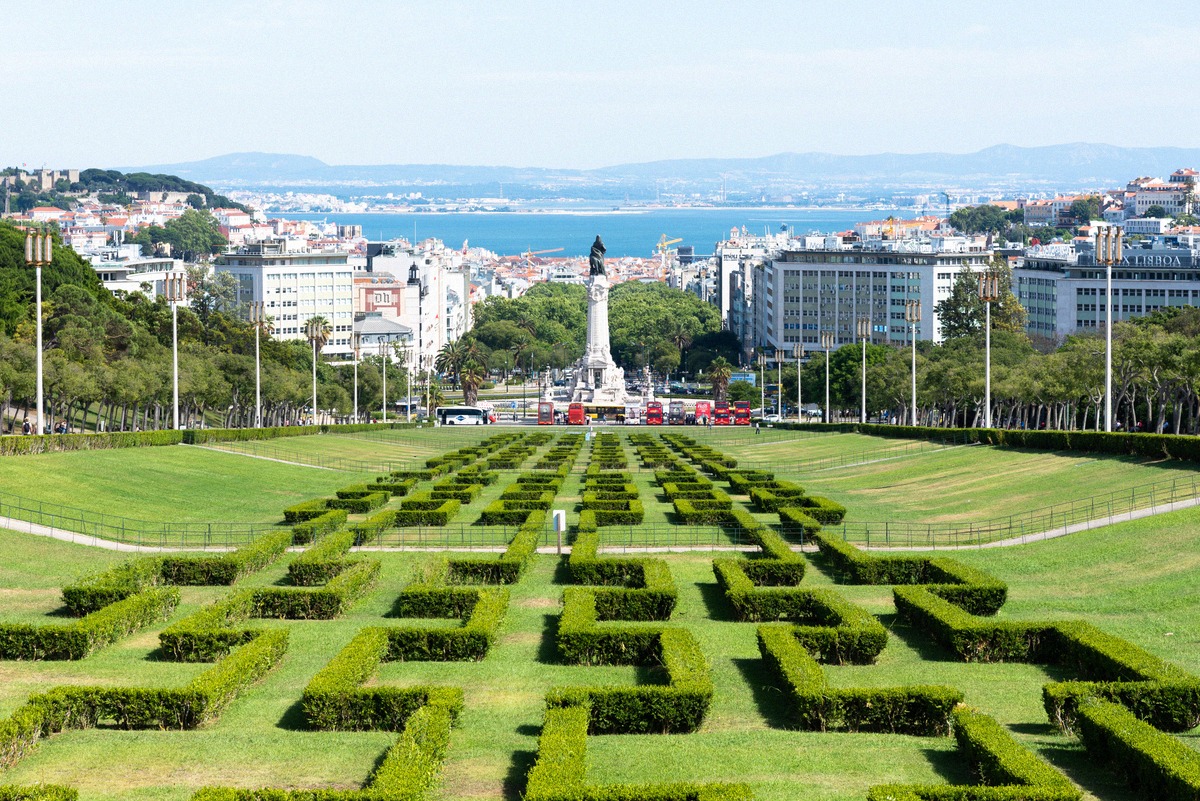
City park with a sweeping view down to the Tejo
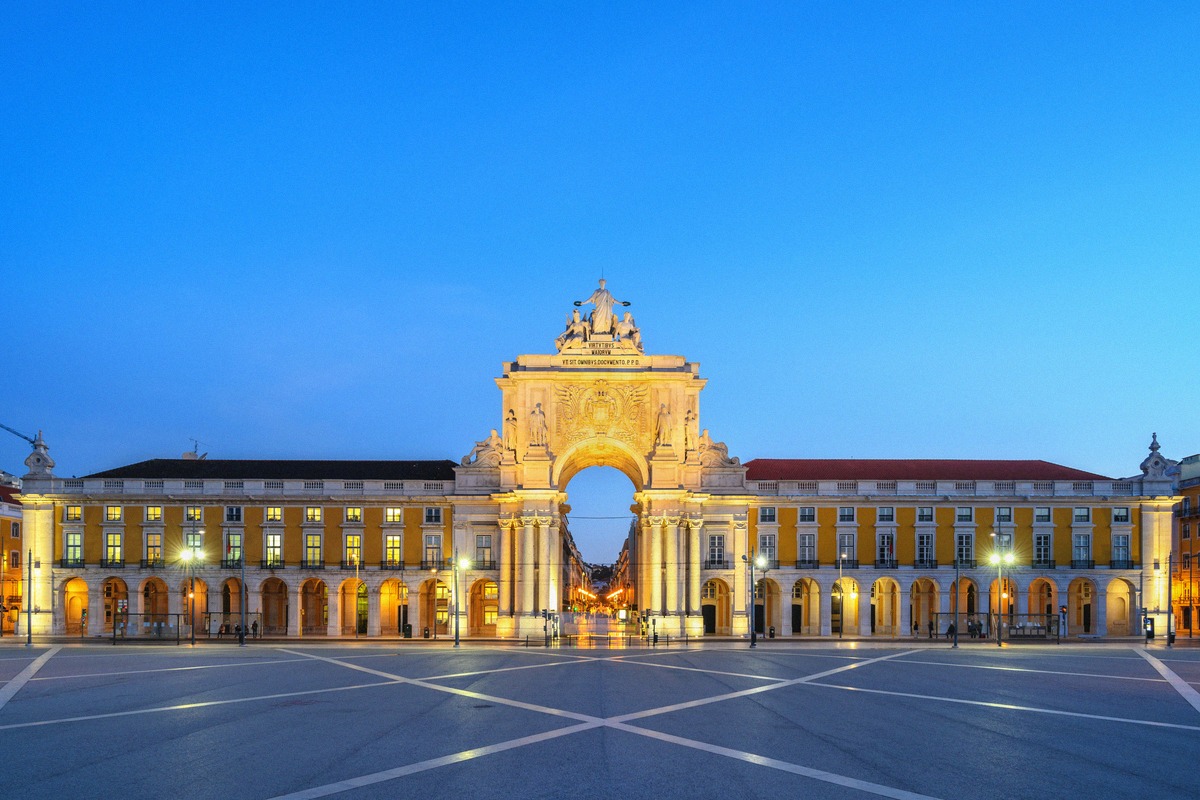
Triumphal arch with viewing terrace
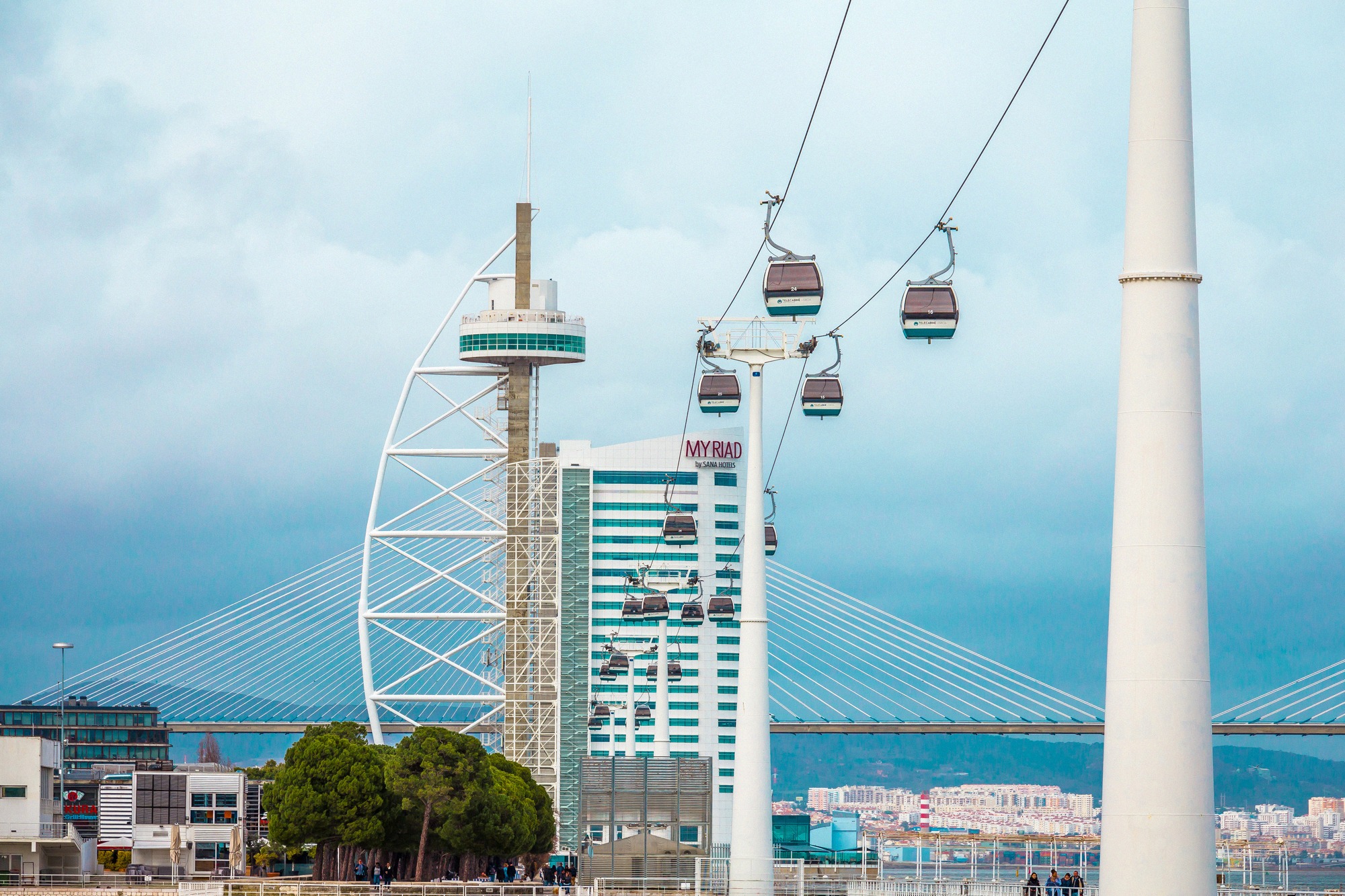
Aquarium in Parque das Nações
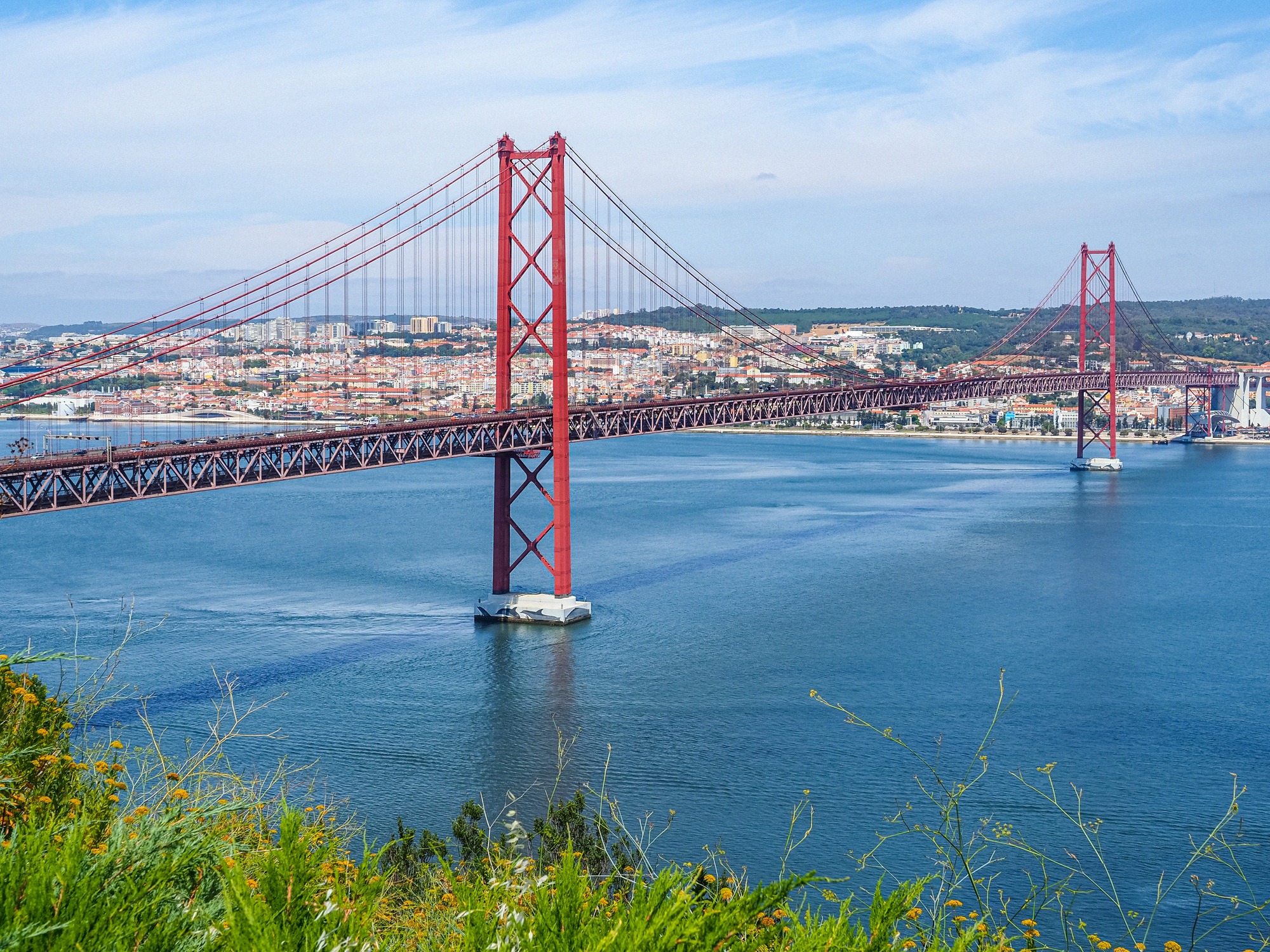
Red suspension bridge & Tagus landmark
No results found.
Lisbon wears its attractions across seven hills above the Tagus. We've put together 25 places that define the cityscape, from the Manueline World Heritage monuments in Belém to the old town's viewpoint terraces, the rattling funiculars and the aquarium down by the water. This overview groups them by character and tells you what costs money, what's free, and where the Lisboa Card saves you the most.
The showpiece stands in Belém: Belém Tower, a Manueline fortress and UNESCO World Heritage Site that reopened on 27 May 2026 after restoration (timed entry required, a maximum of 900 visitors a day, €15). A few steps away, the cloister of the Jerónimos Monastery spans a whole century of maritime history (€18, free for children up to 12, closed Mondays; the adjoining Santa Maria de Belém church is free). In high season it's worth booking a timed slot for the monastery online, or you risk queues of up to two hours. The old town's hill is crowned by São Jorge Castle, with the widest view over the rooftops (€17, timed tickets via the official BOL platform). Down by the riverfront, the Monument to the Discoveries (full ticket with viewing platform and exhibition €10, exterior free) and the red 25 de Abril Bridge tell the story of Lisbon's role as a port and age-of-discovery city.
If you're after everyday city life, ride the historic Tram 28 through the narrow lanes (single fare €3.30 from the driver, €1.90 with a Navegante card, free with the Lisboa Card), then take the Santa Justa Lift (on-board fare roughly €6.10-6.20 for up to two rides, as of 2026; the top viewing platform costs a separate €5, card payment only) or the Bica Funicular, running again since 1 June 2026 (€4.30 for up to two rides). The other two classic funiculars, Glória and Lavra, remain out of service after the accident in September 2025, replacement buses 51E and 19B cover the routes instead. Families should make time for the Lisbon Oceanarium in Parque das Nações, one of Europe's largest aquariums (adults €25, seniors €17, children aged 3-12 €15, under-3s free; open daily 10:00-20:00, last entry 19:00).
Lisbon's religious buildings range from the Romanesque Lisbon Cathedral (Sé), dating to 1147 (main nave free, guided route €7, no visits on Sundays), to the Baroque splendour of the Igreja de São Roque (church free, museum €8), to the white-vaulted Basílica da Estrela. Portugal's national heroes are laid to rest at the National Pantheon (€10), while the roofless ruin of the Carmo Convent preserves the traces of the 1755 earthquake in the open air (€7, closed Sundays).
Lisbon's museum scene is in flux in 2026: the Gulbenkian Museum won't show its founding collection again until it reopens in July 2026 (combined ticket from €10, free from 14:00 on Sundays and for children under 12, garden permanently free). The National Tile Museum remains closed for renovation; reopening is expected sometime in the second half of 2026, but no confirmed date has been set (as of June 2026), admission was €8 before closure, and new prices aren't set yet, so check before you visit. Down on the riverfront, the MAAT is open (€16, walkable roof free). For a breather, head to the big squares and parks - Praça do Comércio with the Rua Augusta Arch (viewing terrace €5) and Eduardo VII Park with its sightline down to the Tagus.
Many of Lisbon's best views cost nothing. The miradouros Santa Luzia, Senhora do Monte, Graça and São Pedro de Alcântara are all free to visit, as are the squares and the Time Out Market, a curated food hall with 26 restaurants and 8 bars, where you only pay for what you order (card only). The Santa Maria de Belém monastery church, with the tombs of Vasco da Gama and Camões, is free too; only the cloister of the Jerónimos Monastery charges admission. For a fuller rundown of the viewpoint terraces and how to reach them, see our guide to Lisbon's miradouros. Admission is mostly charged at the monuments and museums, and that's where the Lisboa Card (€31 for 24h, €62 for 72h) pays off across several sites, unlocking Belém Tower, Jerónimos, the Castle, the National Pantheon, the Monument to the Discoveries and the Rua Augusta Arch (individual tickets add up to €75), on top of covering public transport including the funiculars. What stays separate is the Oceanarium (only a 15% discount) and the top platform of the Santa Justa Lift (€5, only the ride itself is free with the card).
The most pleasant times to visit are spring (March to May) and autumn (September to October); in July and August, the longest queues form outside Jerónimos, the Castle and the Oceanarium, and booking an online timed slot for the major sites is nearly unavoidable. Realistically, you need three full days to cover all 25 places. Day one belongs to Baixa, Chiado and Bairro Alto - Praça do Comércio, Santa Justa, the Carmo ruin, São Roque, Bica and Time Out Market. Day two runs through Alfama and Graça, the Castle (1.5-2 hours), the Cathedral, the miradouros and the National Pantheon, plus a ride on Tram 28. Day three starts in Belém as a half day (Jerónimos 1-1.5 hours, the Tower 45-75 minutes, the Monument to the Discoveries), leaving the afternoon free for the Oceanarium or the Gulbenkian and Eduardo VII Park. In two days you can cover the core sights, but not both the aquarium and the Gulbenkian. To reach Belém, take the CP suburban train on the Cascais line from Cais do Sodré (7-9 minutes), Tram 15E, or bus 728. Our guide to public transport in Lisbon explains how to get around between stops; our Lisboa Card guide works out what the card saves you.