Gulbenkian Museum
Art museum with a Lalique collection in Avenidas Novas
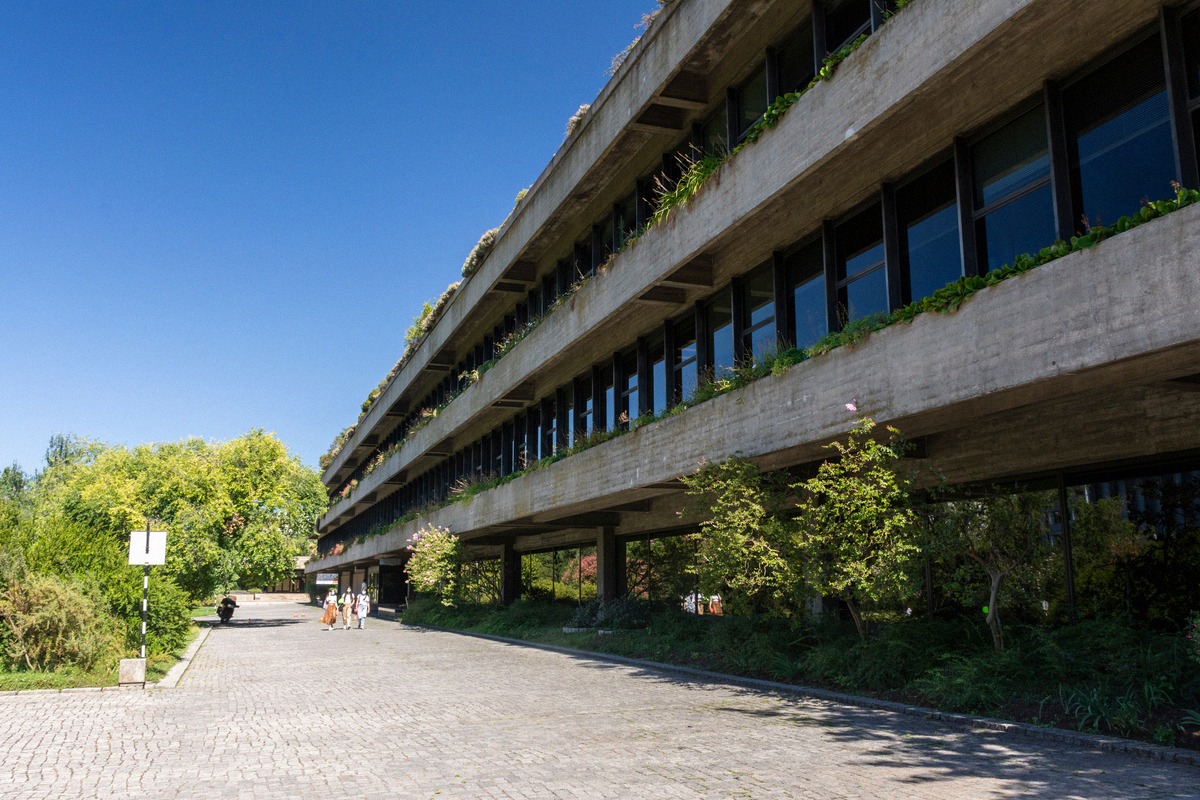
The Museu Calouste Gulbenkian holds the private world-class collection of an oil magnate, from ancient Egyptian art to Rembrandt and around 200 Lalique pieces, plus a free park.
Contents
A world-class private collection
The Museu Calouste Gulbenkian grew out of the private collection of Calouste Sarkis Gulbenkian, an Armenian-British oil magnate. He lived in Lisbon from 1942 to 1955, chosen for its location, political stability and hospitality, and died there on 20 July 1955 owning more than 6,000 works of art. Under his will, the collection passed to the Calouste Gulbenkian Foundation, founded in 1956; the museum first opened in 1969.
The quality is exceptional. In calm, modern galleries, masterpieces spanning roughly five millennia sit side by side: ancient Egyptian art, Greek and Islamic objects, Persian carpets and European painting by Rembrandt and Rubens. This isn't a vast, exhausting universal museum, but a focused selection made personally by the collector, and that shows in every room.
The Lalique jewellery
A highlight in its own right is the collection of works by René Lalique. It comprises around 200 pieces, including 82 items of jewellery, which Gulbenkian bought directly from the artist, some of them from Lalique's celebrated presentation at the 1900 World's Fair. Lalique is regarded as the "inventor of modern jewellery", and his Art Nouveau pieces in gold, enamel, horn and semi-precious stones are among the museum's most visited exhibits. If you're short on time, come specifically for this room: 20 to 30 minutes is enough on its own.
Founder's Collection, CAM and the renovation
On the same site stands the Centro de Arte Moderna (CAM), home to modern and contemporary 20th-century Portuguese art. Worth knowing for planning purposes: as of 2026, the Founder's Collection is closed for renovation and is due to reopen from July 2026. In the meantime, CAM displays part of the main collection, so a visit is still worthwhile, the exact selection on show changes, though, so check the current status on the official website before you travel.
Once it reopens, the Founder's Collection is expected to return to its usual hours: Monday and Wednesday to Friday 10:00-18:00, Saturdays until 21:00, closed Tuesdays. CAM is open until 30 September 2026 on Mondays, Wednesdays, Thursdays and Fridays, 10:00-17:30, closed on Tuesdays and public holidays.
Tickets & prices
Pricing depends on which collection, or combination, you visit:
- Founder's Collection plus CAM (combined ticket): €10.
- Combined ticket including temporary exhibitions: €14.
- CAM collection including temporary exhibitions: €12.
Admission is free on Sundays from 14:00 and for children under 12. Tickets are available online via the official website or at the museum ticket desk. The garden is always free and accessible independently of the museum ticket, so you can visit just the park without buying any ticket at all. The Lisboa Card doesn't carry a fixed discount here; check prices on gulbenkian.pt before your visit to be sure.
The garden
The museum is surrounded by a garden of around 7.5 hectares, with two lakes, shaded paths and an open-air amphitheatre. It's open daily until sunset, with free admission, one of the city's most beautiful and peaceful green spaces, and a favourite retreat among locals. A break here after the galleries is part of the visit, and on a warm day the park alone is worth the trip.
Visiting: what you need to know
The best time to come is in the morning; follow up with a break in the free park. Allow around 1.5 to 2 hours for the Founder's Collection alone, and 2 to 3 hours for a full visit including CAM and the park (rough guide). Last admission is 30 minutes before closing.
The museum sits in Avenidas Novas, north of the city centre. The nearest metro stations are São Sebastião (blue and red lines) and Praça de Espanha (blue line), both a few minutes' walk away. Carris buses also stop nearby, including routes 716, 726 and 756 on Av. de Berna. There's no dedicated visitor car park; the nearest car parks are Parque Berna and Praça de Espanha, each around a four-minute walk away.
The visit combines well with the nearby Eduardo VII Park and a walk through Avenidas Novas; CAM is on the same site in any case. If you're planning a half day, add one of the day trips or a stop in Sintra on a different day, the Gulbenkian deserves a visit of its own.
Frequently asked questions
What can you see at the Gulbenkian Museum?+
Is the museum open in 2026?+
How much does admission cost?+
Is the park worth visiting?+
Nearby
Parque Eduardo VII
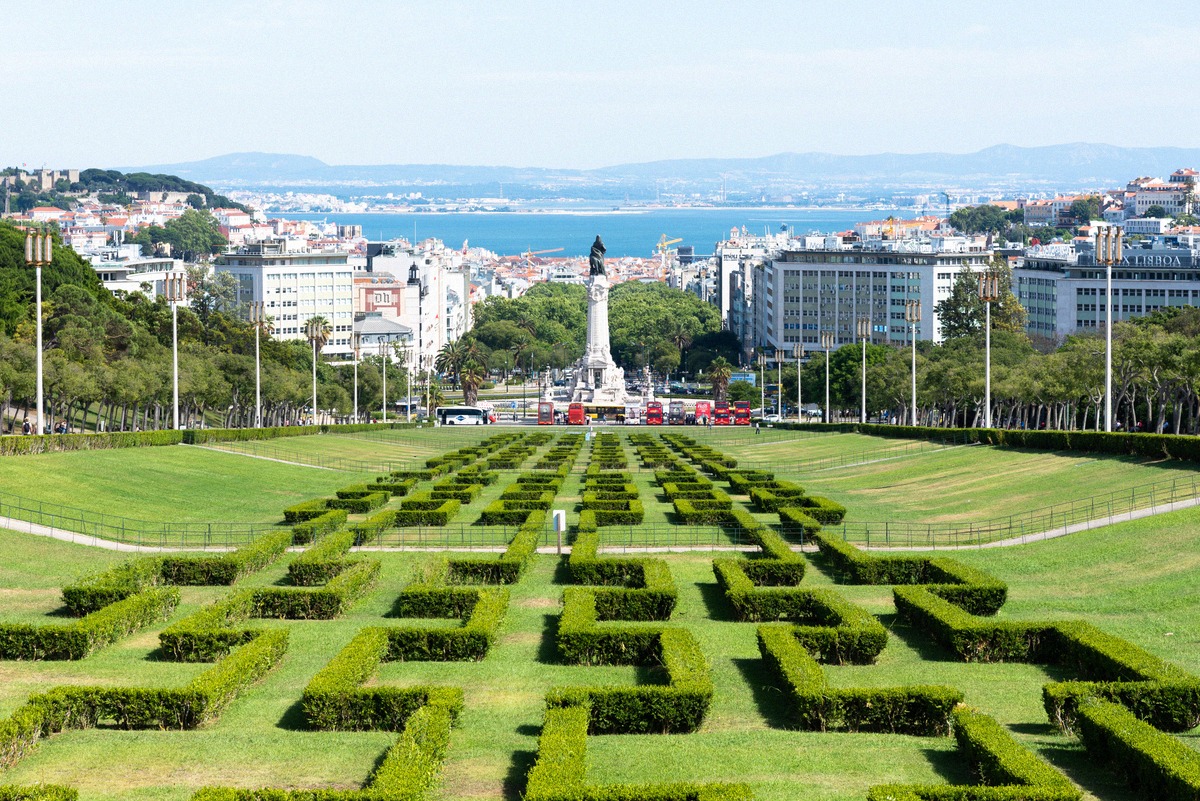
Lisbon's grand city park climbs in neatly patterned hedges to a long view down Avenida da Liberdade to the Tejo. Free entry; Estufa Fria ticketed separately.
Miradouro de São Pedro de Alcântara
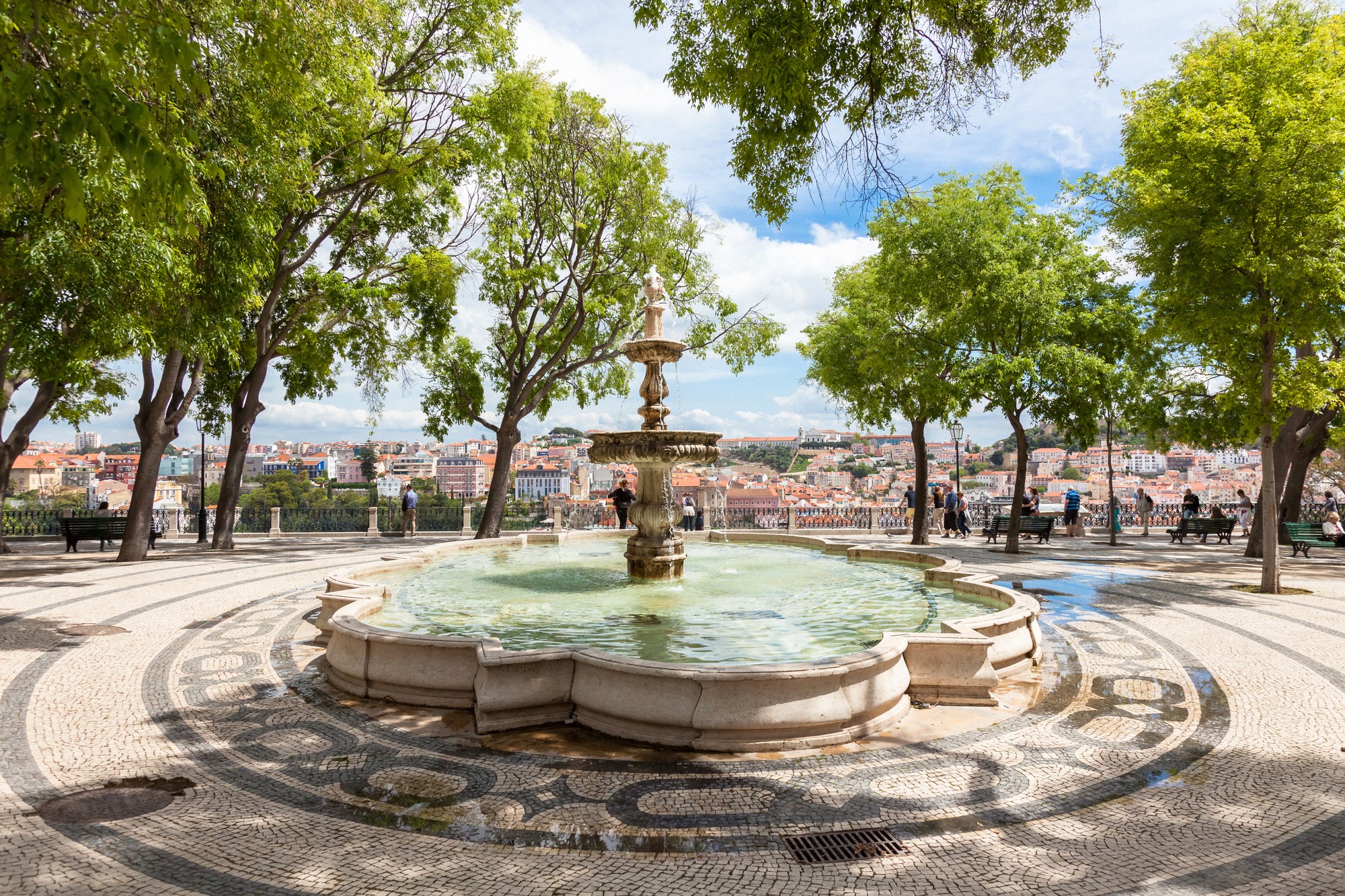
The Miradouro de São Pedro de Alcântara is a two-tier viewpoint garden on the edge of Bairro Alto, with statues, a fountain and open views across the Baixa to São Jorge Castle.
Estrela Basilica
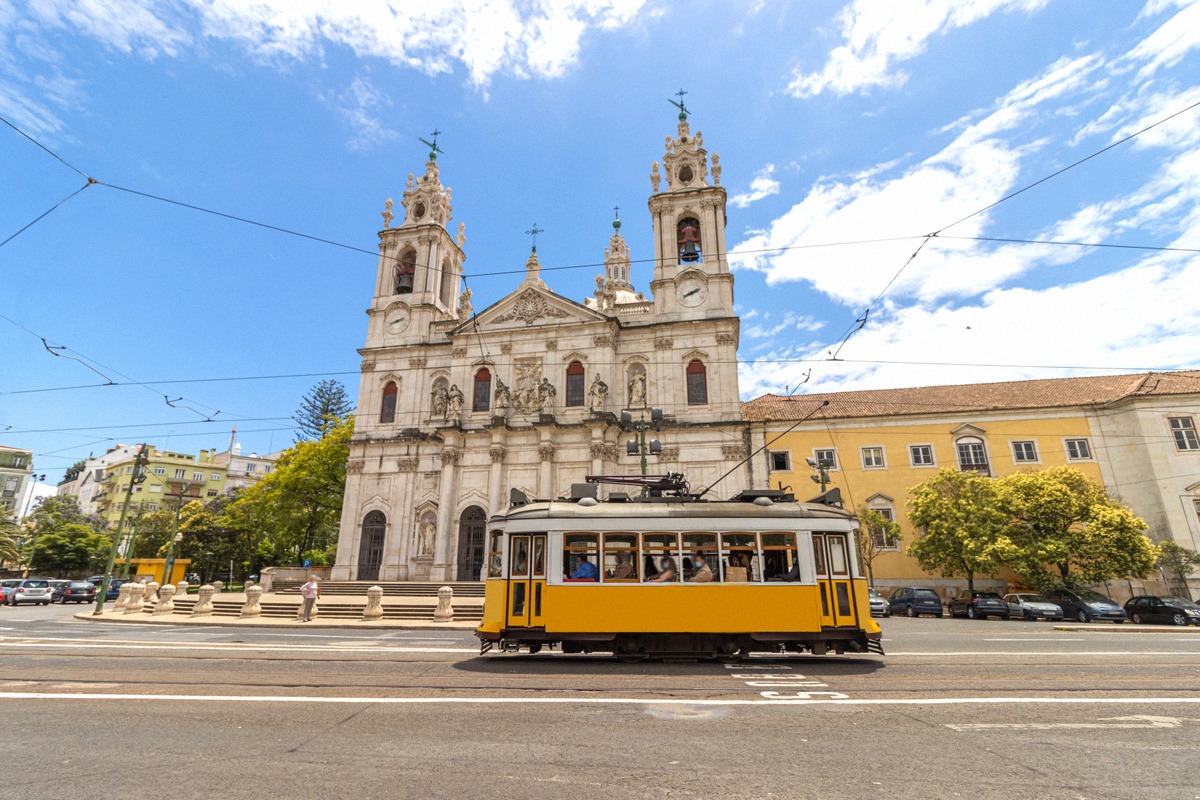
The Basílica da Estrela of 1790 crowns a hill in western Lisbon, marble interior, the tomb of Queen Maria I and a cork nativity scene.
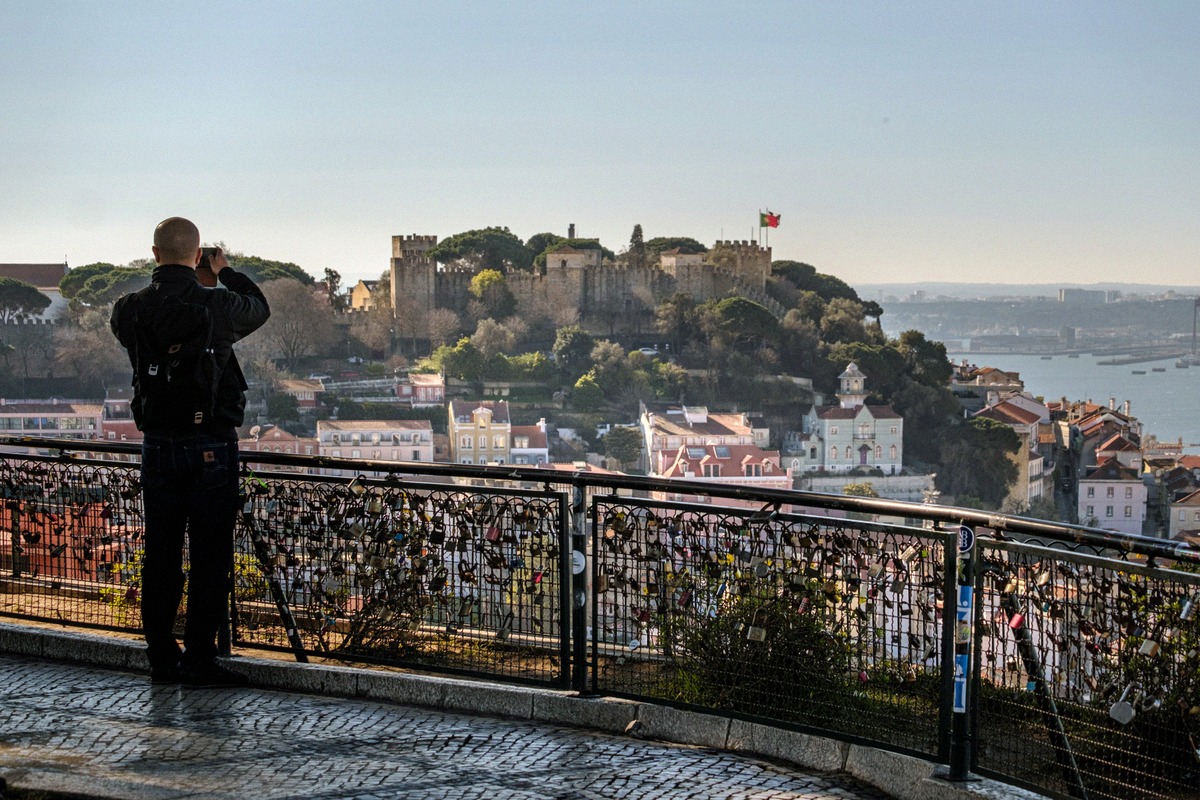
Miradouro da Senhora do Monte
Lisbon city centre's highest viewpoint, with a wide panorama over the old town, castle, Tagus and bridge. Free to visit, popular at sunset.
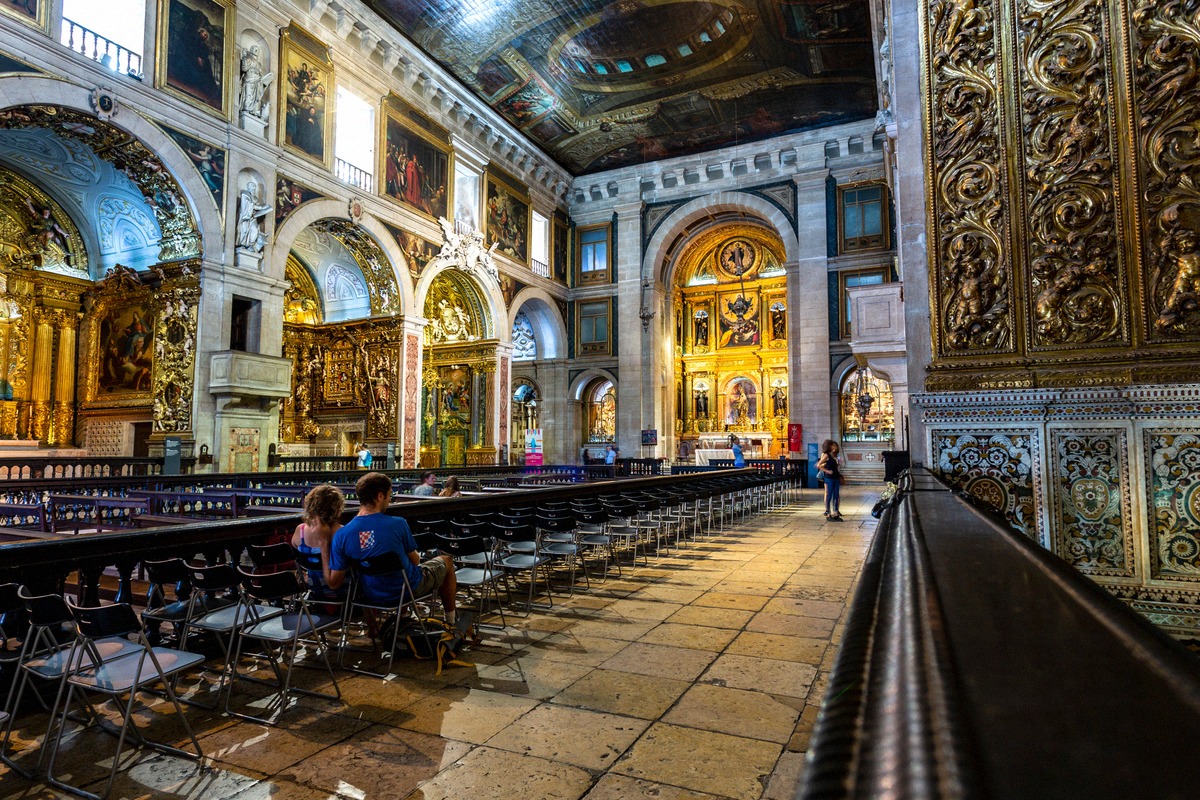
Igreja de São Roque
Behind a plain façade, this Jesuit church in Bairro Alto hides one of the world's most lavish Baroque chapels, made in Rome from gold, silver and lapis lazuli.
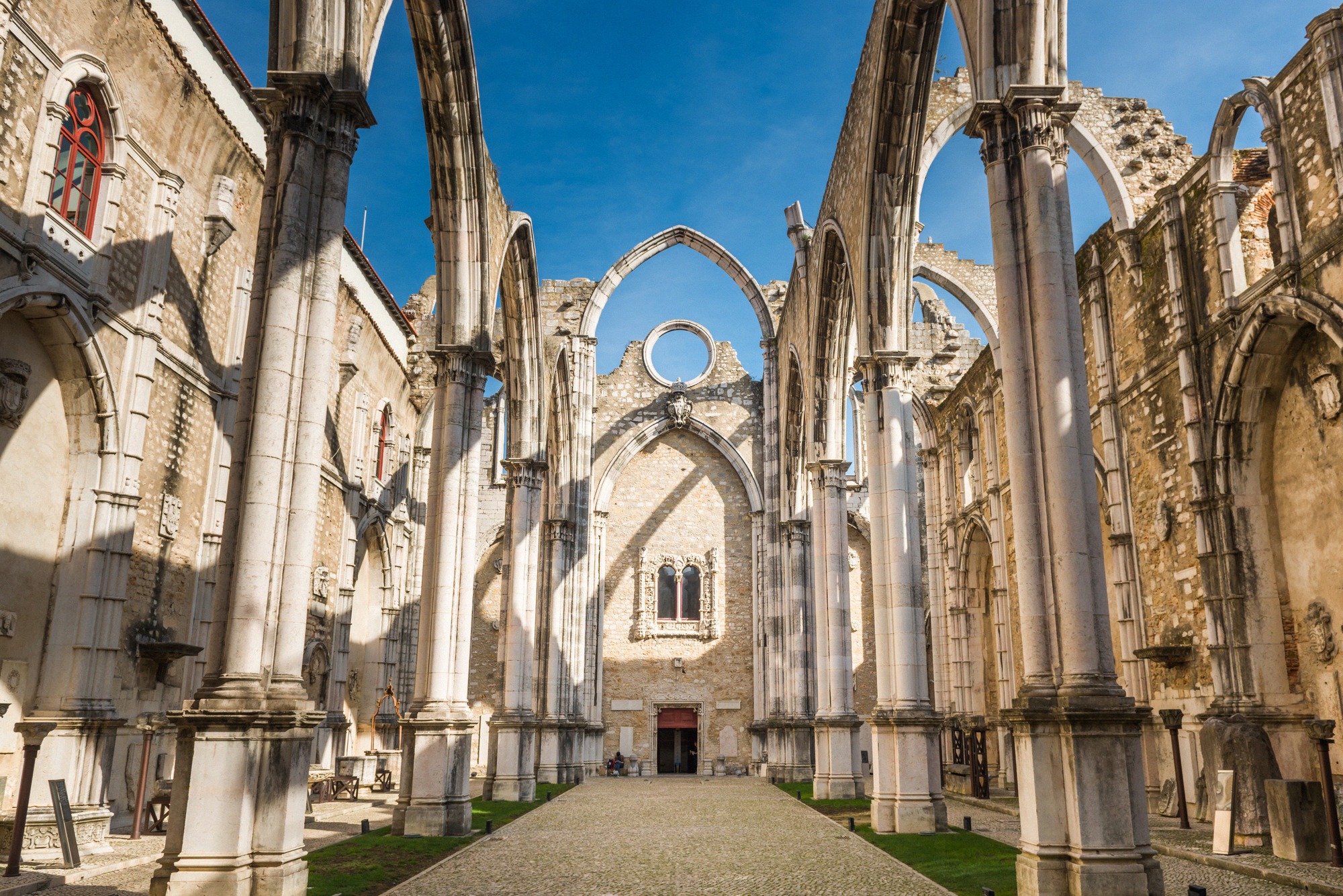
Carmo Convent
This roofless Gothic ruin above the Baixa recalls the 1755 earthquake, its open arches against the sky are now a memorial and archaeology museum.