Carmo Convent
Ruined convent & archaeology museum
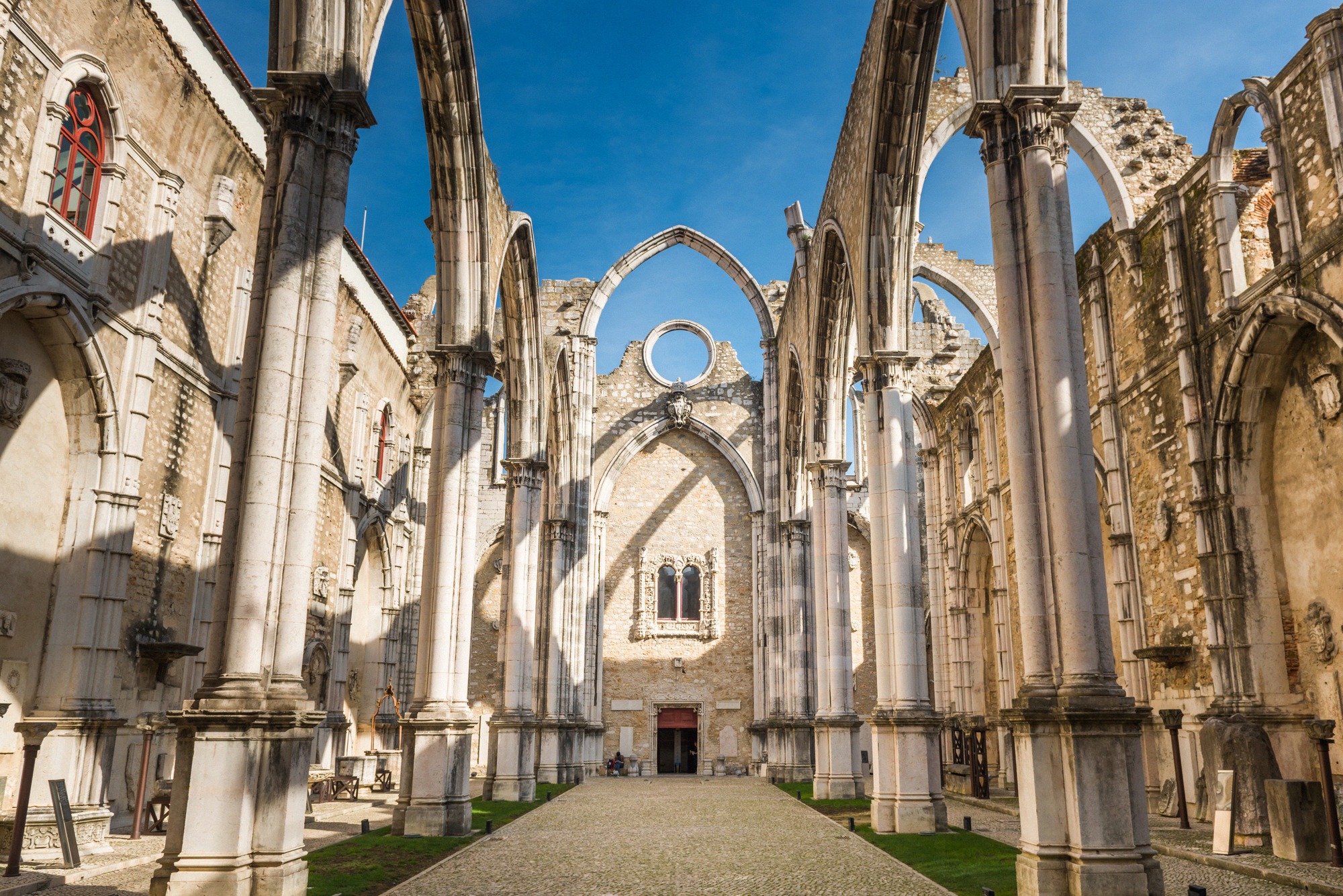
This roofless Gothic ruin above the Baixa recalls the 1755 earthquake, its open arches against the sky are now a memorial and archaeology museum.
Contents
A memorial to the great earthquake
The Carmo Convent was once Lisbon's largest Gothic church. In the devastating earthquake of 1755, its vaults and roof collapsed, burying the congregation gathered for All Saints' Mass. Unlike the rest of the city, the church was never rebuilt: its roofless ruin, with pointed arches open to the sky, was left standing as a quiet memorial. That is exactly what defines the place, a nave with no ceiling, where the eye travels straight upward, unobstructed.
What to expect
Behind the unassuming entrance on Largo do Carmo, the bright, open nave unfolds, one of the most atmospheric spots in the city. Its surviving apse houses the Museu Arqueológico do Carmo, run by the Associação dos Arqueólogos Portugueses. The collection ranges from prehistoric pieces to Roman inscriptions, mosaic tiles, columns and sarcophagi, through to Gothic tombs and wooden statues. The quiet crowd-pleaser is a trio of mummies: one Egyptian, from the 3rd-2nd century BC, and two pre-Columbian mummies of the Peruvian Chancay culture. The headline sight, the arches against the sky, takes only a few minutes; the small museum rounds the visit out to around an hour.
Visiting & practicalities
Allow 45 to 60 minutes. The ruin is at its best under a blue sky, when light streams through the open vaults, on grey days the site loses some of its appeal. Tickets are sold only on site at the ticket desk (€7 adults, €5 reduced, also valid with the Lisboa Card); there is no official online sale, though long queues are unlikely here. Open Monday to Saturday, closed Sundays. All areas are wheelchair-accessible. The Carmo sits within the Baixa-Chiado neighbourhood, right at the upper platform of the Santa Justa Lift, its Largo do Carmo exit is the easiest way up from the Baixa. Otherwise, reach it via Tram 28, bus 758, or the Baixa-Chiado metro station.
Frequently asked questions
Why does the Carmo Convent have no roof?+
What is on display in the museum?+
Can tickets be bought online?+
Is the ruin accessible?+
Nearby
Santa Justa Lift
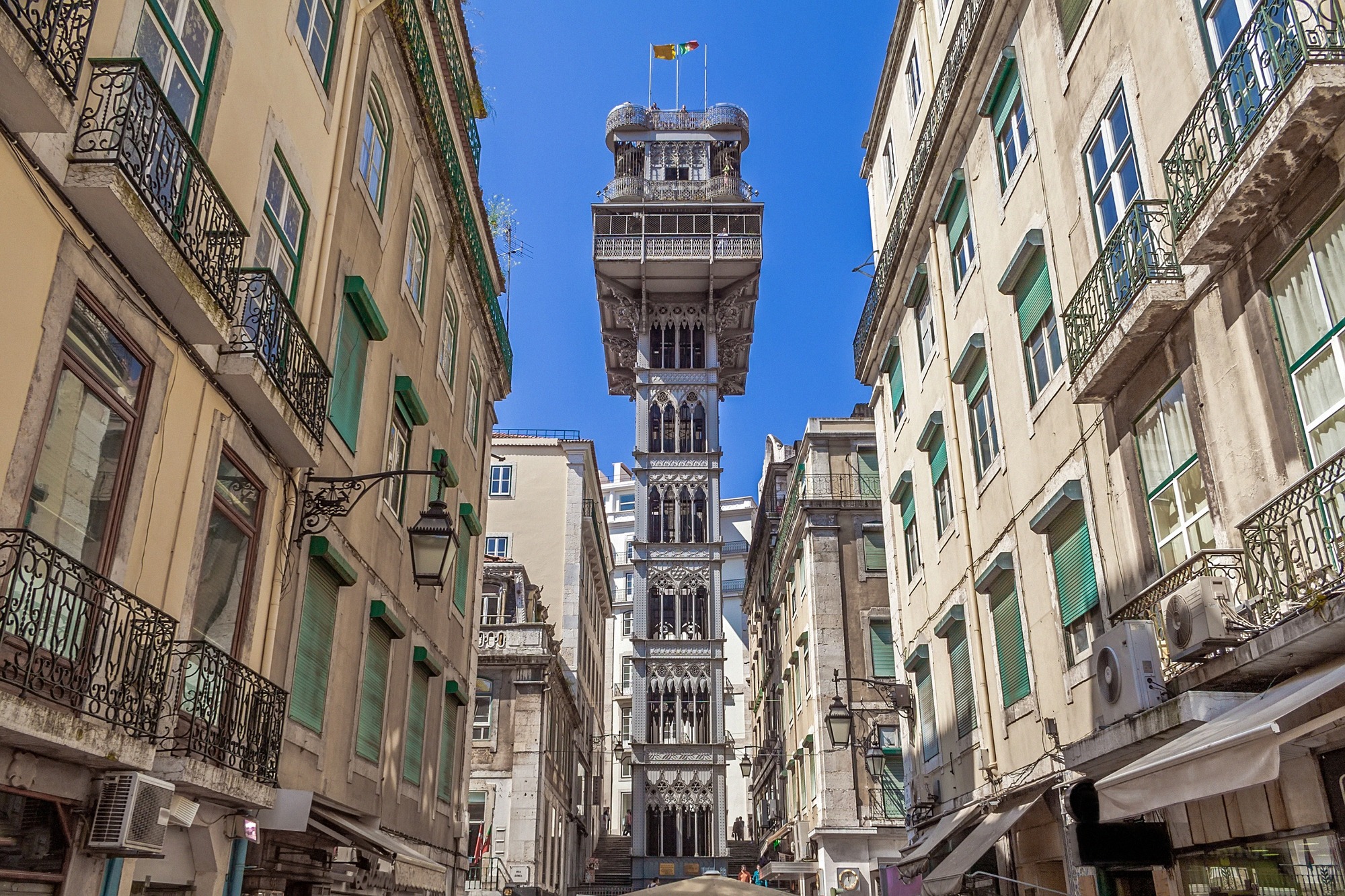
The neo-Gothic cast-iron lift from 1902 links the Baixa with the higher Largo do Carmo, a landmark with a viewing platform over the old town.
Igreja de São Roque
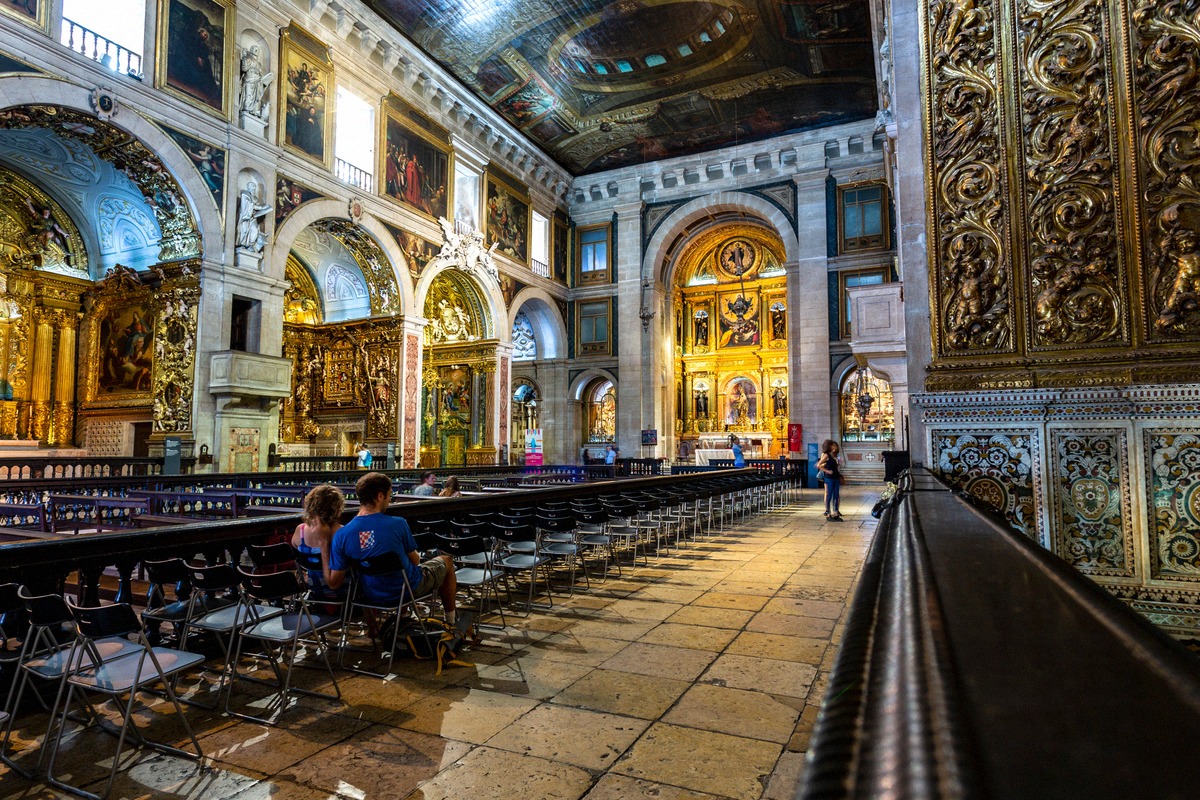
Behind a plain façade, this Jesuit church in Bairro Alto hides one of the world's most lavish Baroque chapels, made in Rome from gold, silver and lapis lazuli.
Miradouro de São Pedro de Alcântara
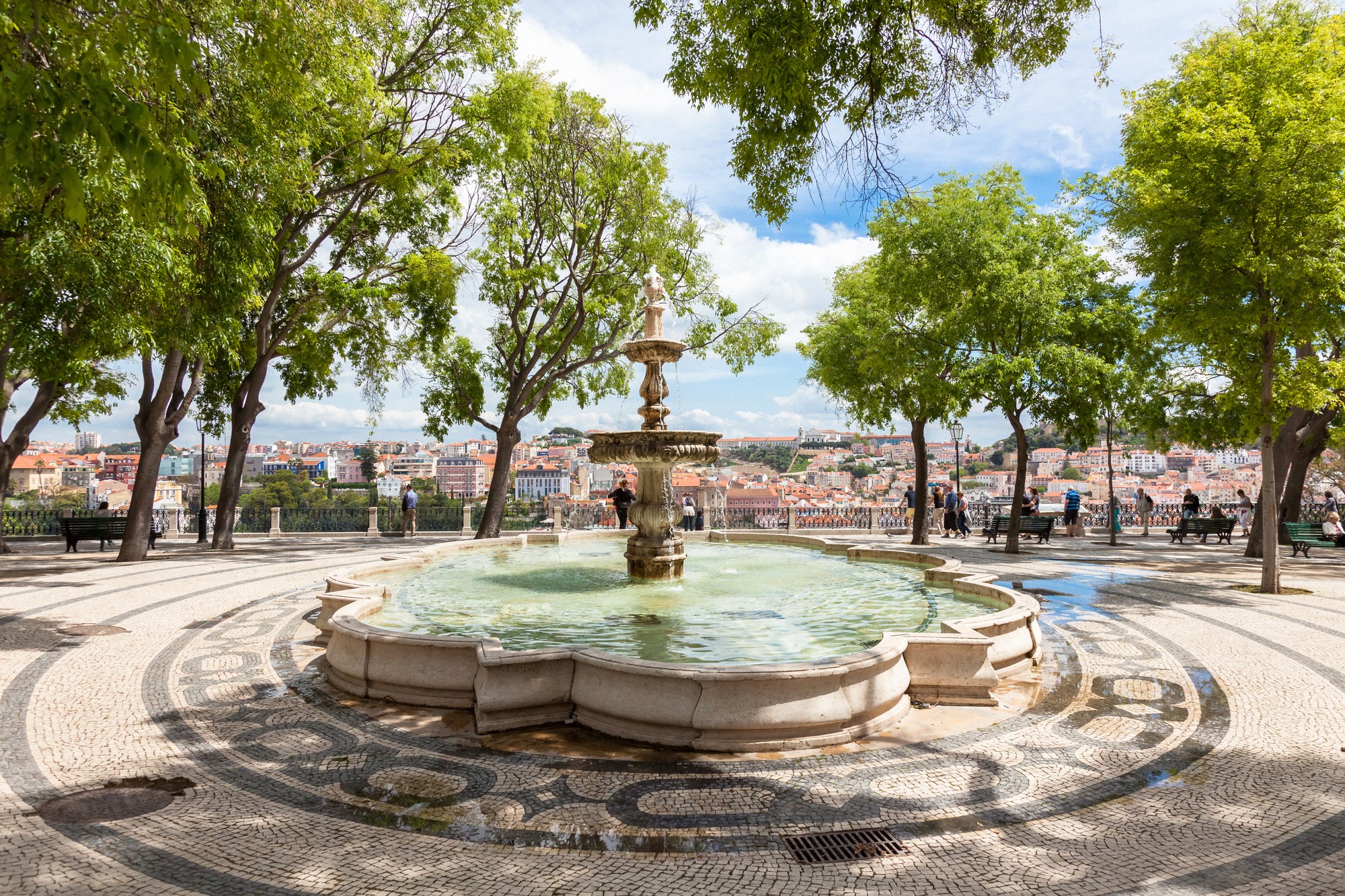
The Miradouro de São Pedro de Alcântara is a two-tier viewpoint garden on the edge of Bairro Alto, with statues, a fountain and open views across the Baixa to São Jorge Castle.
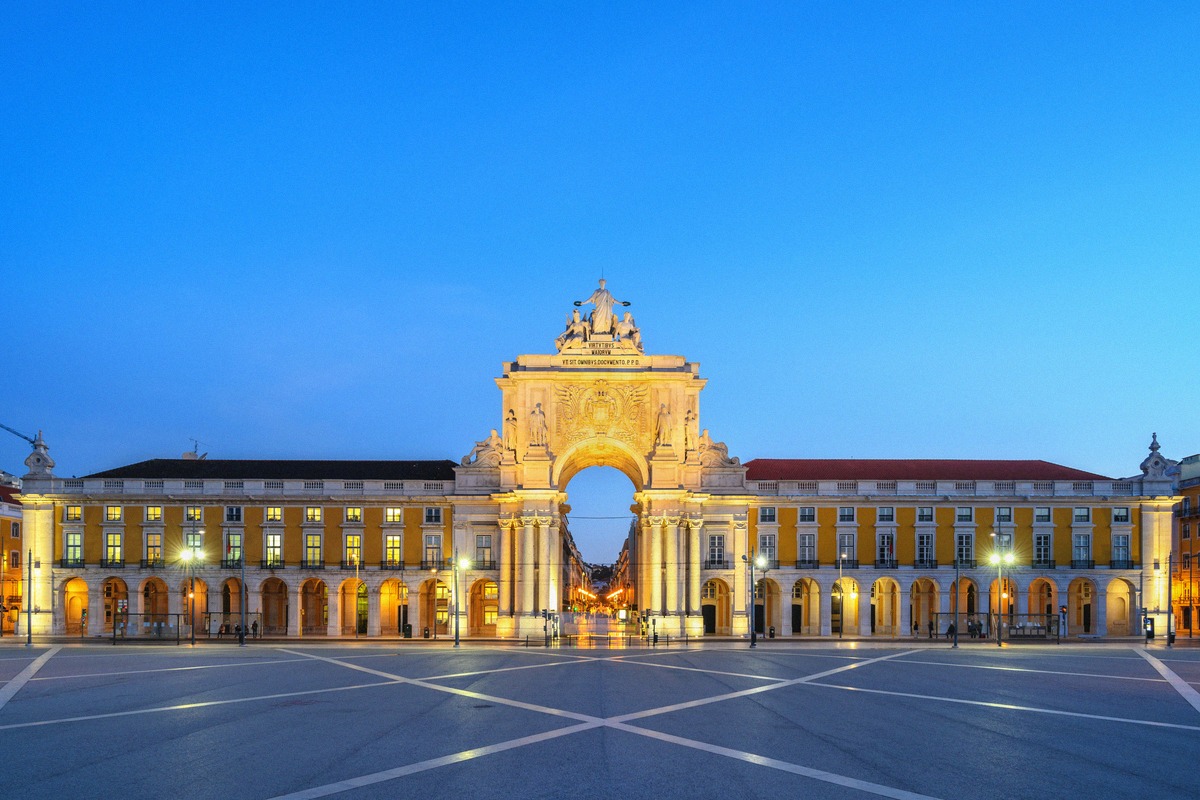
Rua Augusta Arch
The monumental triumphal arch links Praça do Comércio with Rua Augusta. A viewing terrace up top looks over the Baixa and the Tagus; the archway below is free to walk through.
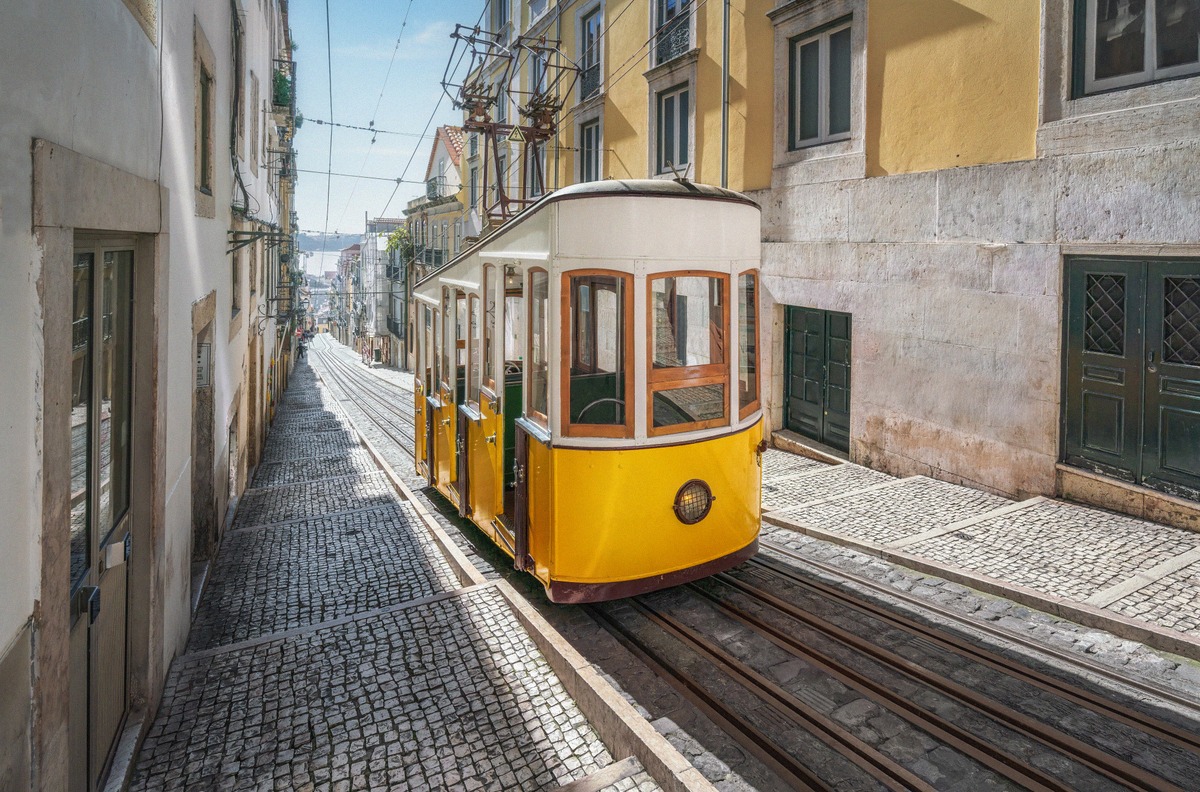
Bica Funicular
The yellow funicular from 1892 climbs one of Lisbon's steepest, most photogenic streets, a national monument between Bairro Alto and Cais do Sodré.
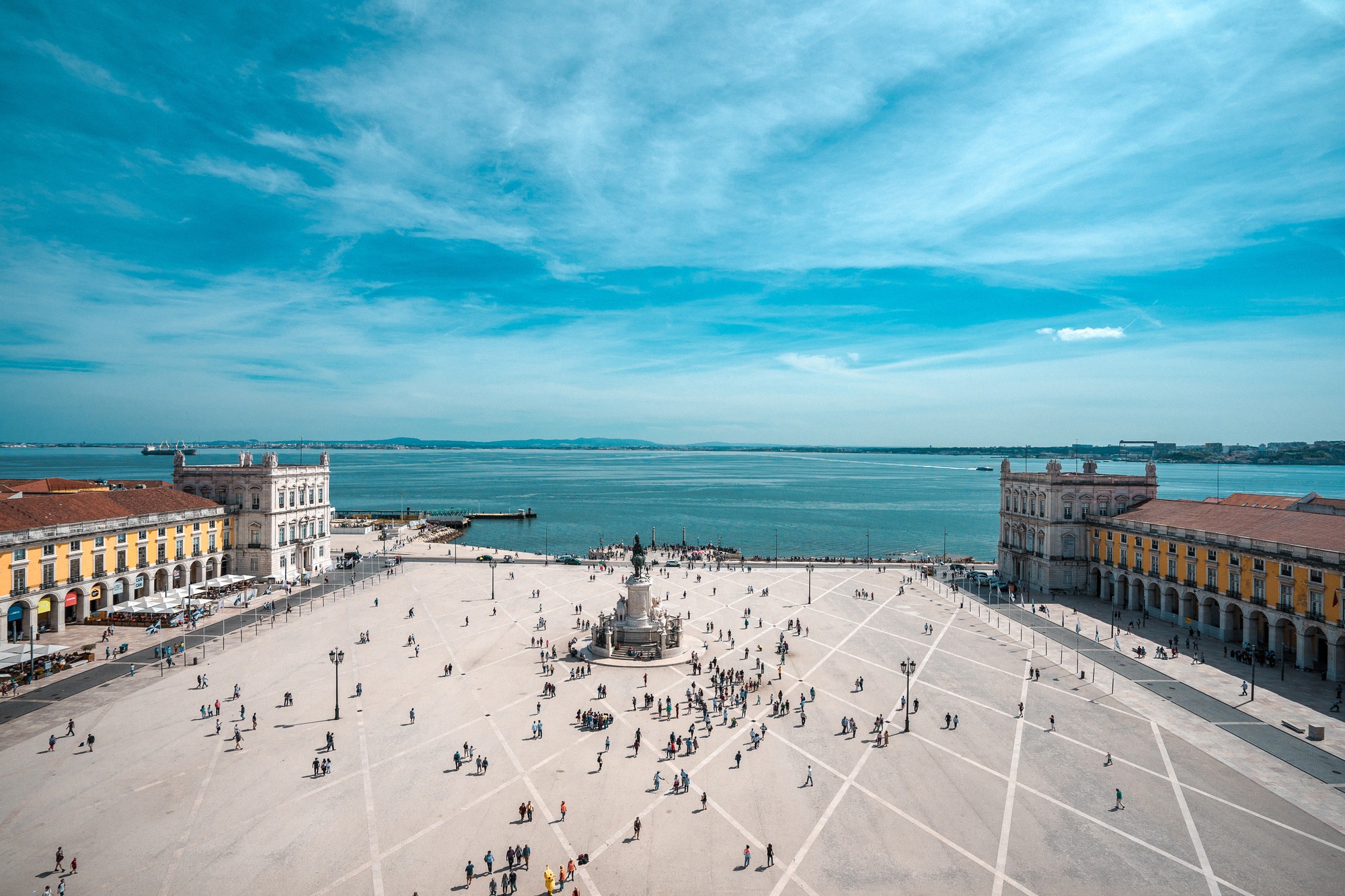
Praça do Comércio
Lisbon's grand main square, open to the Tagus, with its triumphal arch and equestrian statue. The royal palace stood here until the 1755 earthquake, hence its old name, Terreiro do Paço.