Bica Funicular
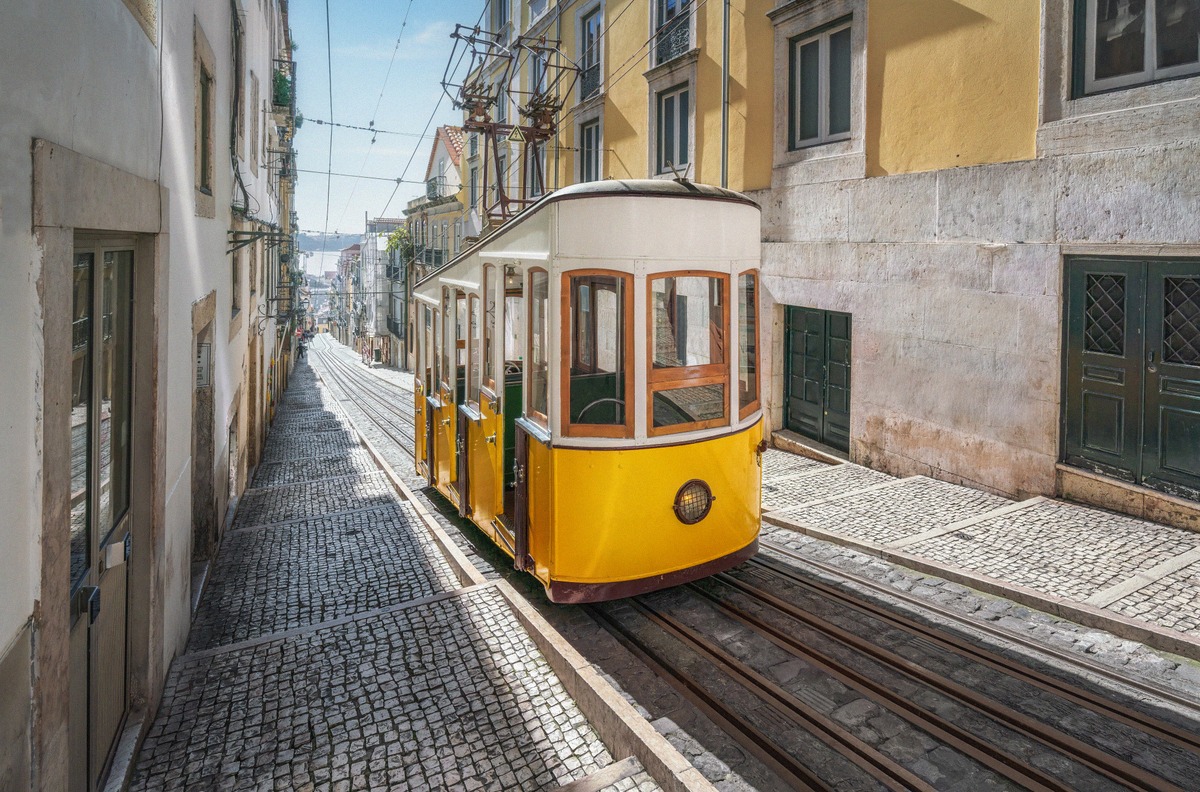
Yellow funicular from 1892 in the Bica district
The yellow funicular from 1892 climbs one of Lisbon's steepest, most photogenic streets, a national monument between Bairro Alto and Cais do Sodré.
Contents
Steep street, yellow car
The Elevador da Bica (officially the Ascensor da Bica) is one of Lisbon's three classic funiculars, in operation since 28 June 1892. Over a short 245-metre run at an 11.8% gradient, it covers the height difference between the lower station on Rua de São Paulo (near Cais do Sodré) and the upper station at Rua da Bica de Duarte Belo / Largo do Calhariz, just below Bairro Alto. Two bright yellow cars hang from either end of a single haulage cable and counterbalance each other as they move up and down.
The line is run by Carris, Lisbon's public transport operator, so it's officially part of the city's public transport network, not just a tourist ride.
History and status
The line was designed by engineer Raoul Mesnier du Ponsard, who also designed the Santa Justa Lift and the Glória and Lavra funiculars. Bica was not originally electric and was only electrified later. It has been classified as a Portuguese national monument since 19 February 2002 (Decreto-Lei 5/2002), along with Glória and Lavra.
Of the three funiculars, Bica is the youngest: Lavra (1884) is the oldest, and Glória (1885) is the best known and most heavily used. But thanks to the narrow, steep, cobbled Rua da Bica with its view down to the Tagus, Bica is widely considered the most photogenic of the three.
2026 status: running again
After the serious Glória funicular accident on 3 September 2025, in which a snapped haulage cable caused a car to derail and 16 people died, the city of Lisbon suspended several funiculars for technical inspection - Bica among them. Following inspection and a full overhaul carried out by LIFTECH (interior and exterior refurbishment of both cars plus a thorough mechanical check of the undercarriage, brakes and current collector), the Ascensor da Bica reopened on 1 June 2026, in time for the Santos Populares festivals.
Worth knowing for planning purposes: as of June 2026, Glória and Lavra remain closed according to Carris. The Graça funicular returned on 30 April 2026, with Bica following on 1 June. A combined Bica-and-Glória ride is therefore not currently possible while Glória is suspended.
Tickets and fares
You pay on board, to the conductor. The Carris on-board fare for 2026 is €4.30 and covers up to two rides, effectively a there-and-back trip. There is no cheaper single-ride on-board fare.
- It's considerably cheaper with a rechargeable card (Navegante / Viva Viagem), available at metro stations, Carris ticket points and kiosks.
- The ride is included in the 24-hour ticket.
- The Lisboa Card also covers all three funiculars and the Santa Justa Lift, across its 24h, 48h and 72h versions, with unlimited free rides. That saves the €4.30 standard fare on every trip.
There's no dedicated online booking platform just for the Bica ride; you pay on the spot. Full fare details are in the public transport guide.
Visiting and photo tips
Allow 15 to 30 minutes, the ride itself takes only a few minutes, and waiting and photographing account for the rest. The most pleasant time is early morning at opening, before the street fills with visitors; there are no official waiting-time figures published.
The classic shot is taken looking uphill from the lower end of Rua da Bica: the yellow car in the steep street, the Tagus behind it. You don't even need a ticket for this photo. Around the funicular, the authentic Bica neighbourhood invites a wander among small tascas (traditional taverns) and bars; downhill leads to lively Cais do Sodré, uphill to Bairro Alto.
One honest caveat: Carris publishes no official information on accessibility. The stations sit on steep street levels with steps and cobblestones, so wheelchair or pushchair use is unconfirmed and seems unlikely.
Frequently asked questions
What is the Elevador da Bica?+
Is the Bica funicular running again?+
How much does the Bica funicular cost?+
Is it worth riding?+
Nearby

Time Out Market
Inside the historic Mercado da Ribeira, two dozen stalls gather the best chefs and restaurants in Lisbon under one roof, the city's most popular food hall.
Igreja de São Roque
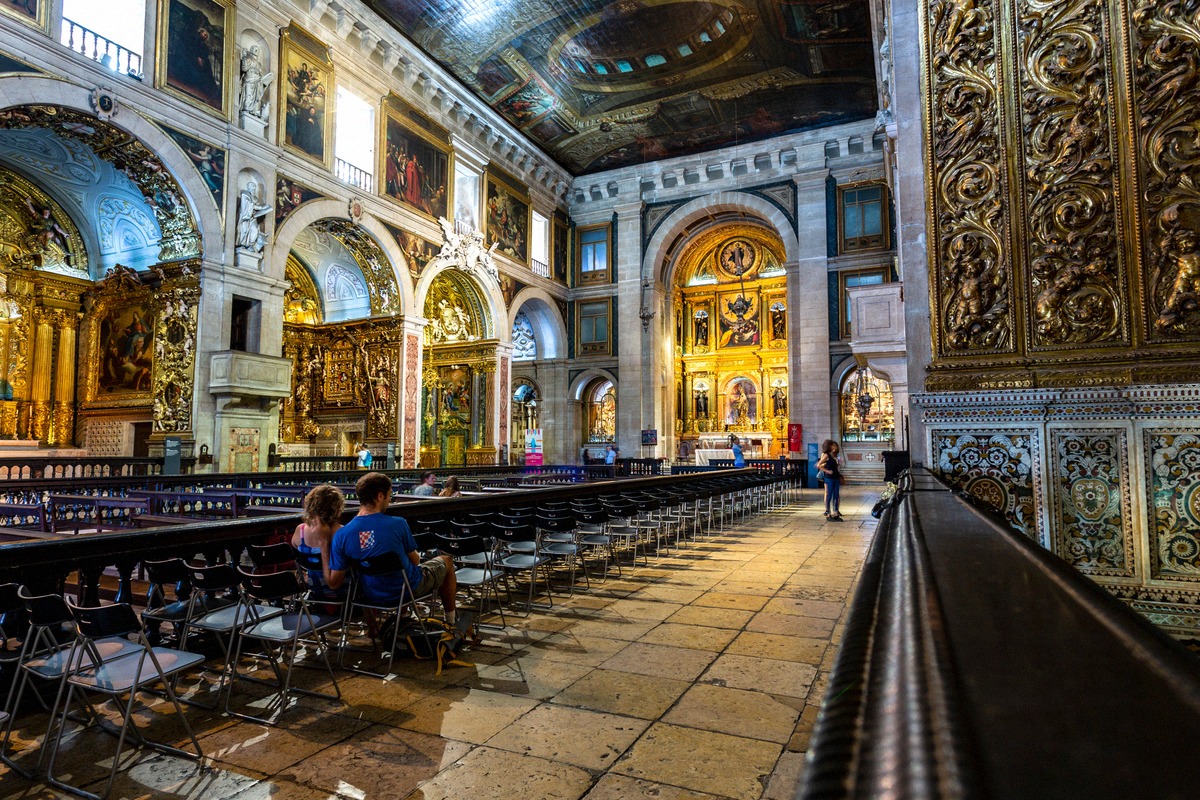
Behind a plain façade, this Jesuit church in Bairro Alto hides one of the world's most lavish Baroque chapels, made in Rome from gold, silver and lapis lazuli.
Carmo Convent
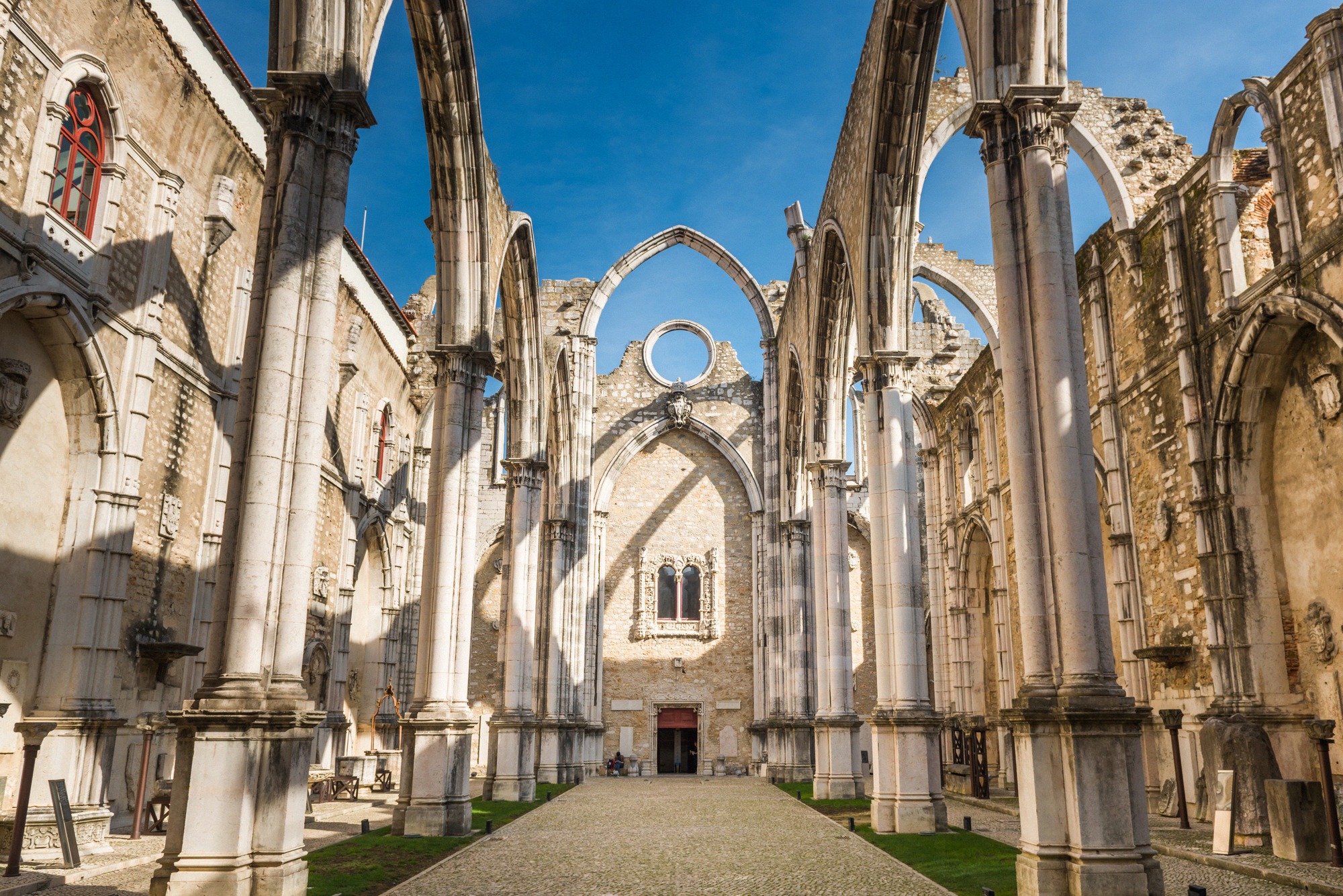
This roofless Gothic ruin above the Baixa recalls the 1755 earthquake, its open arches against the sky are now a memorial and archaeology museum.
Santa Justa Lift
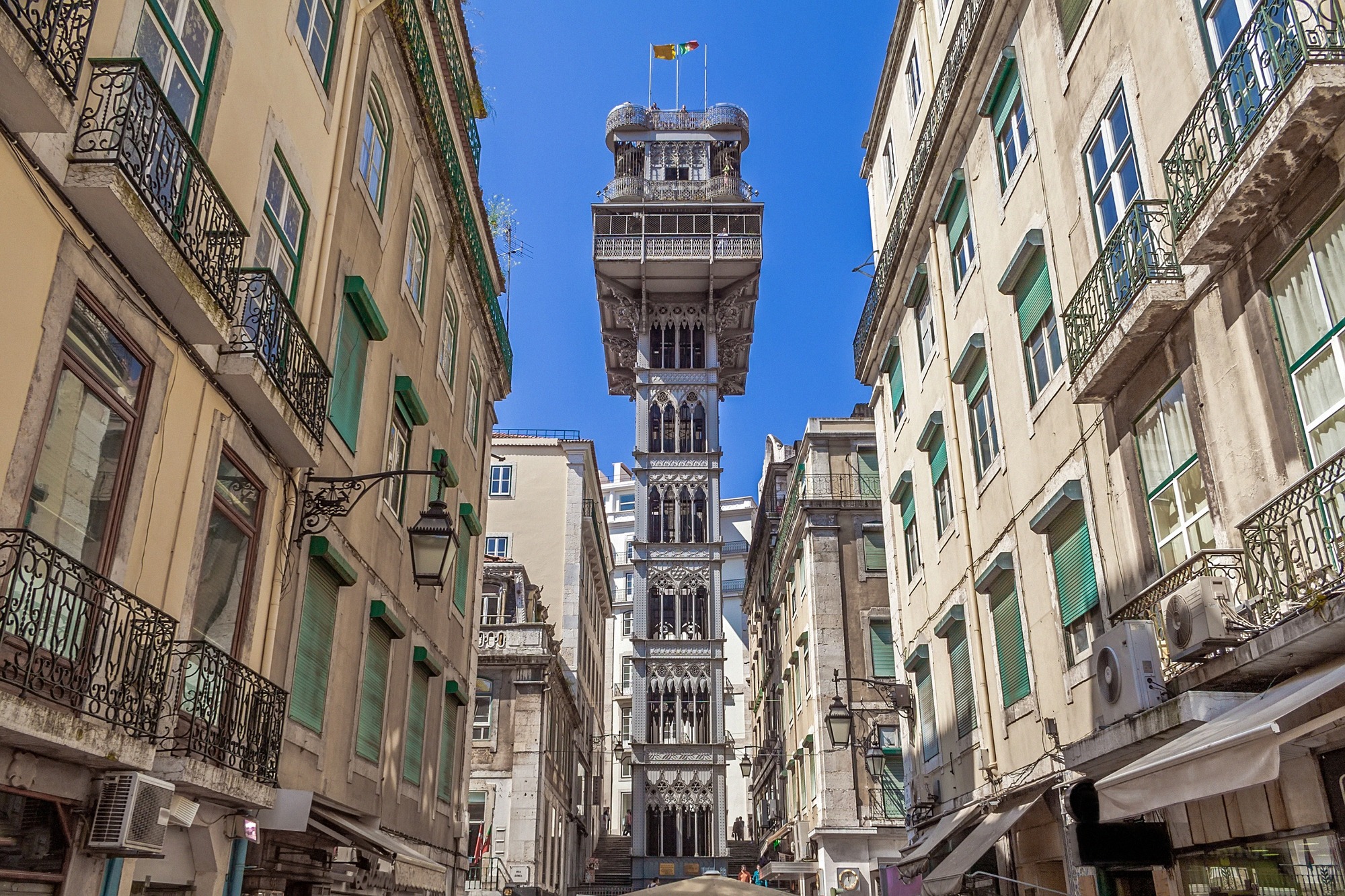
The neo-Gothic cast-iron lift from 1902 links the Baixa with the higher Largo do Carmo, a landmark with a viewing platform over the old town.
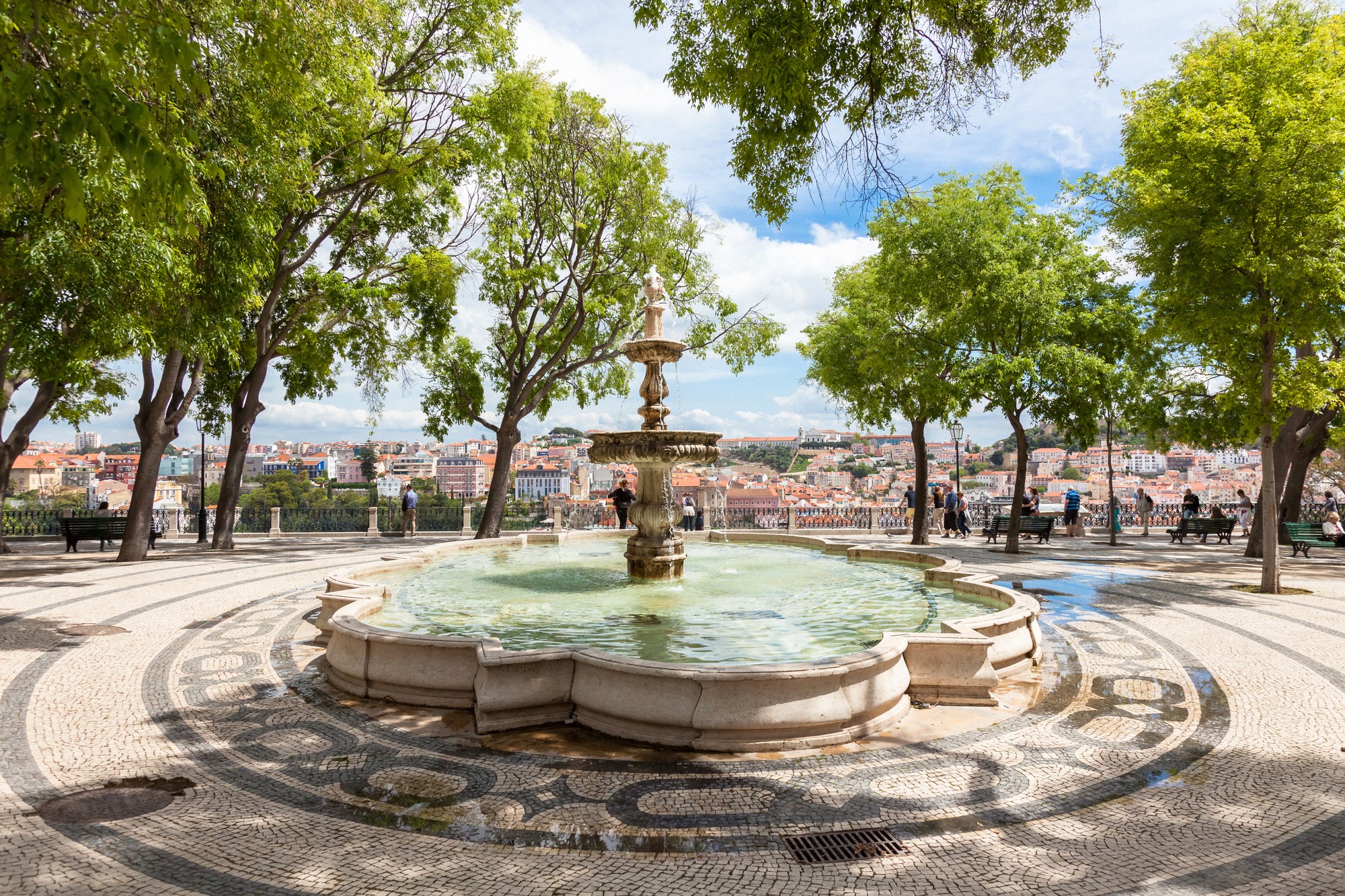
Miradouro de São Pedro de Alcântara
The Miradouro de São Pedro de Alcântara is a two-tier viewpoint garden on the edge of Bairro Alto, with statues, a fountain and open views across the Baixa to São Jorge Castle.
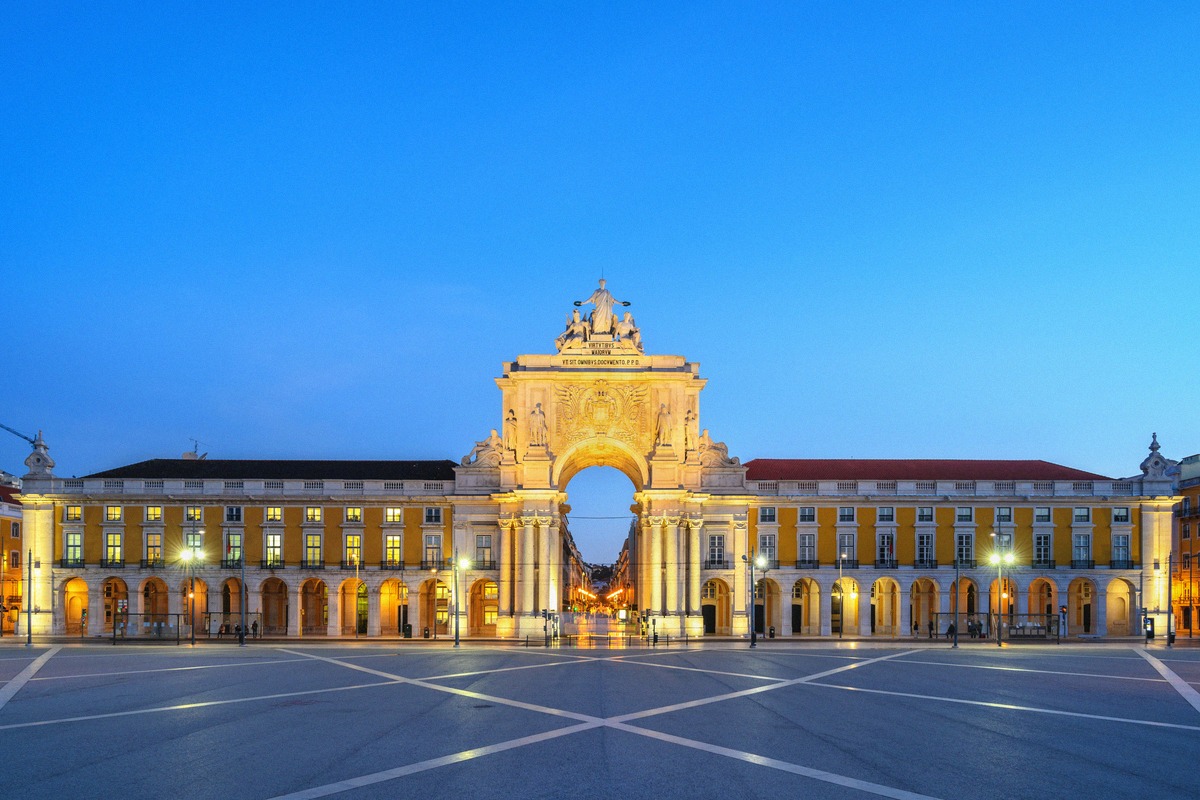
Rua Augusta Arch
The monumental triumphal arch links Praça do Comércio with Rua Augusta. A viewing terrace up top looks over the Baixa and the Tagus; the archway below is free to walk through.