Rua Augusta Arch
Triumphal arch with viewing terrace
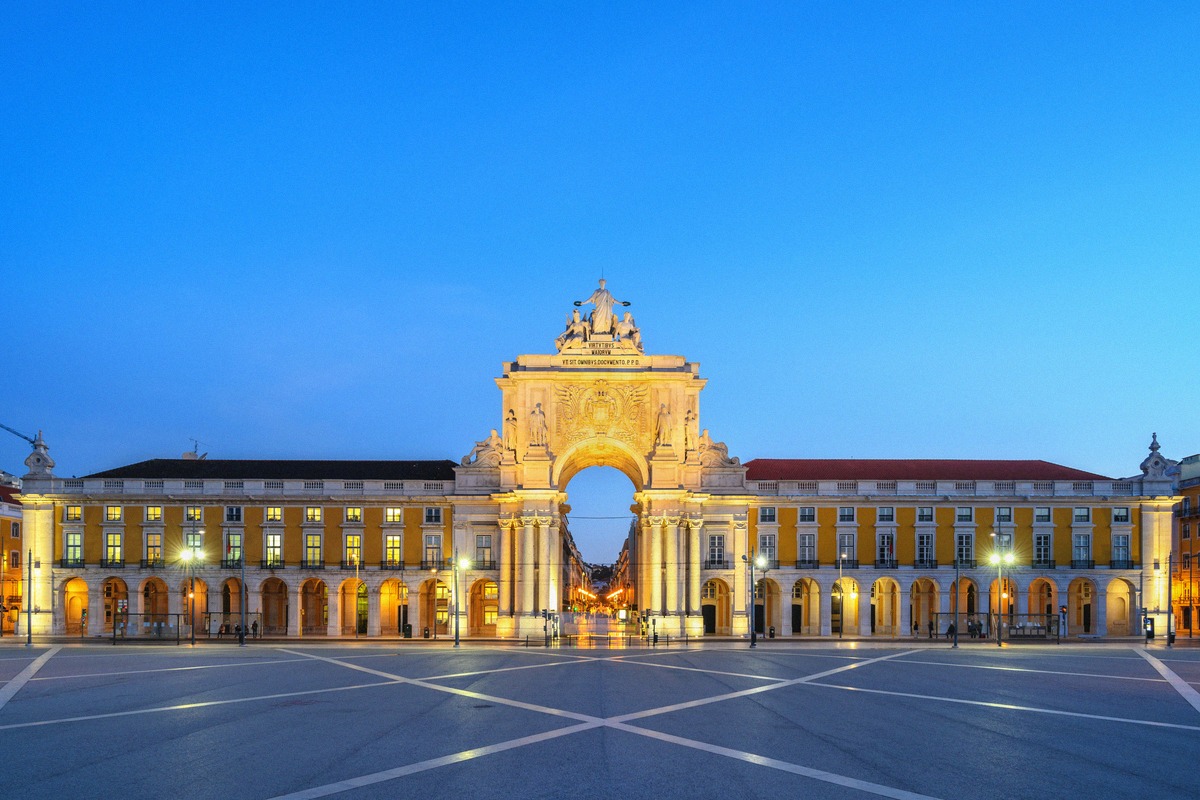
The monumental triumphal arch links Praça do Comércio with Rua Augusta. A viewing terrace up top looks over the Baixa and the Tagus; the archway below is free to walk through.
Contents
Gateway to the Baixa
The Rua Augusta Arch (Arco da Rua Augusta) is the grand triumphal arch linking Praça do Comércio with the pedestrianised Rua Augusta. It symbolises Lisbon's rebuilding after the earthquake, fire and tsunami of 1755, commissioned under the Marquês de Pombal. Allegorical figures of Glory crown the arch, alongside statues of notable Portuguese figures including the Marquês de Pombal and Vasco da Gama.
At ground level the arch is freely accessible: you simply walk through it on the way from the square into the shopping street, no ticket needed. For more, take the lift up to the viewing terrace.
History: 120 years to completion
The arch was already part of the post-1755 rebuilding plans, designed by architect Eugénio dos Santos. But funding shortfalls and political upheaval dragged the work out over decades: as late as 1843 the structure stood only up to the entablature, with the columns added only in 1815. A competition to complete it was won in 1843 by architect Veríssimo José da Costa; the arch was finished in 1873 and finally inaugurated on 9 August 1875, around 120 years after the earthquake that made it necessary in the first place.
The viewing terrace has only been open to visitors since 9 August 2013.
A view over the lower town
The climb rewards you most with the view straight up Rua Augusta: from the terrace directly beneath the statues, it stretches up the dead-straight, grid-planned Baixa towards the castle, and in the other direction across the wide Praça do Comércio to the Tagus. It's one of the most central viewpoints in the city, right above the Pombaline grid of the lower town.
The way up has two stages: a lift takes you to the second floor, then it's another 74 steps on foot to the top. Because of these stairs, the terrace isn't wheelchair or pushchair accessible. The platform is small, so it can feel crowded on busy days.
Visiting: the practicalities
Allow 20 to 40 minutes. The most pleasant time is mid-morning shortly after opening at 10:00, in clear weather: fewer crowds and good light over the Baixa. Open daily from 10:00 to 19:00, last entry 18:30, with no seasonal summer or winter hours. Different hours apply over the holidays; follow the official information on site for those.
Buy tickets at the Rua Augusta 2 counter or online through the official Visit Lisboa shop. The online voucher is valid for 6 months; you validate the code at the turnstile. The viewing terrace costs €5, children up to 5 go free. Entry is free with the Lisboa Card, plus a 10% discount in the souvenir shop.
The arch stands on the north side of Praça do Comércio; the nearest metro is Terreiro do Paço (blue line), right on the square. It's easy to combine your visit with a stroll around Praça do Comércio and Rua Augusta, the nearby Santa Justa Lift, and a wander through Baixa-Chiado. Short on time? The arch is impressive enough for free from below, the terrace is a nice extra, but skippable.
Frequently asked questions
Can you go up the Rua Augusta Arch?+
How much does the viewing terrace cost?+
What does the arch represent?+
Do you have to pay to see the arch itself?+
Nearby
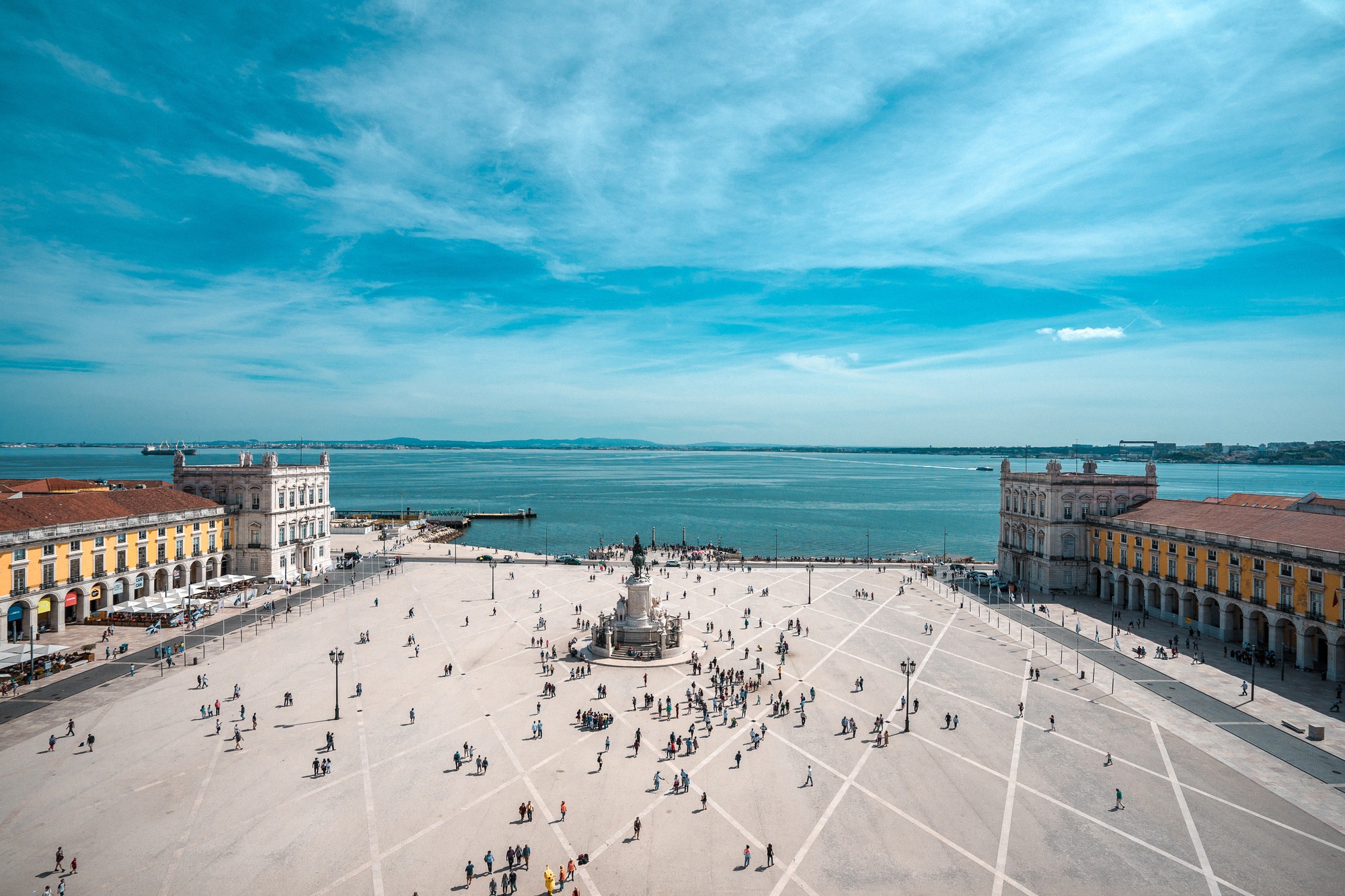
Praça do Comércio
Lisbon's grand main square, open to the Tagus, with its triumphal arch and equestrian statue. The royal palace stood here until the 1755 earthquake, hence its old name, Terreiro do Paço.
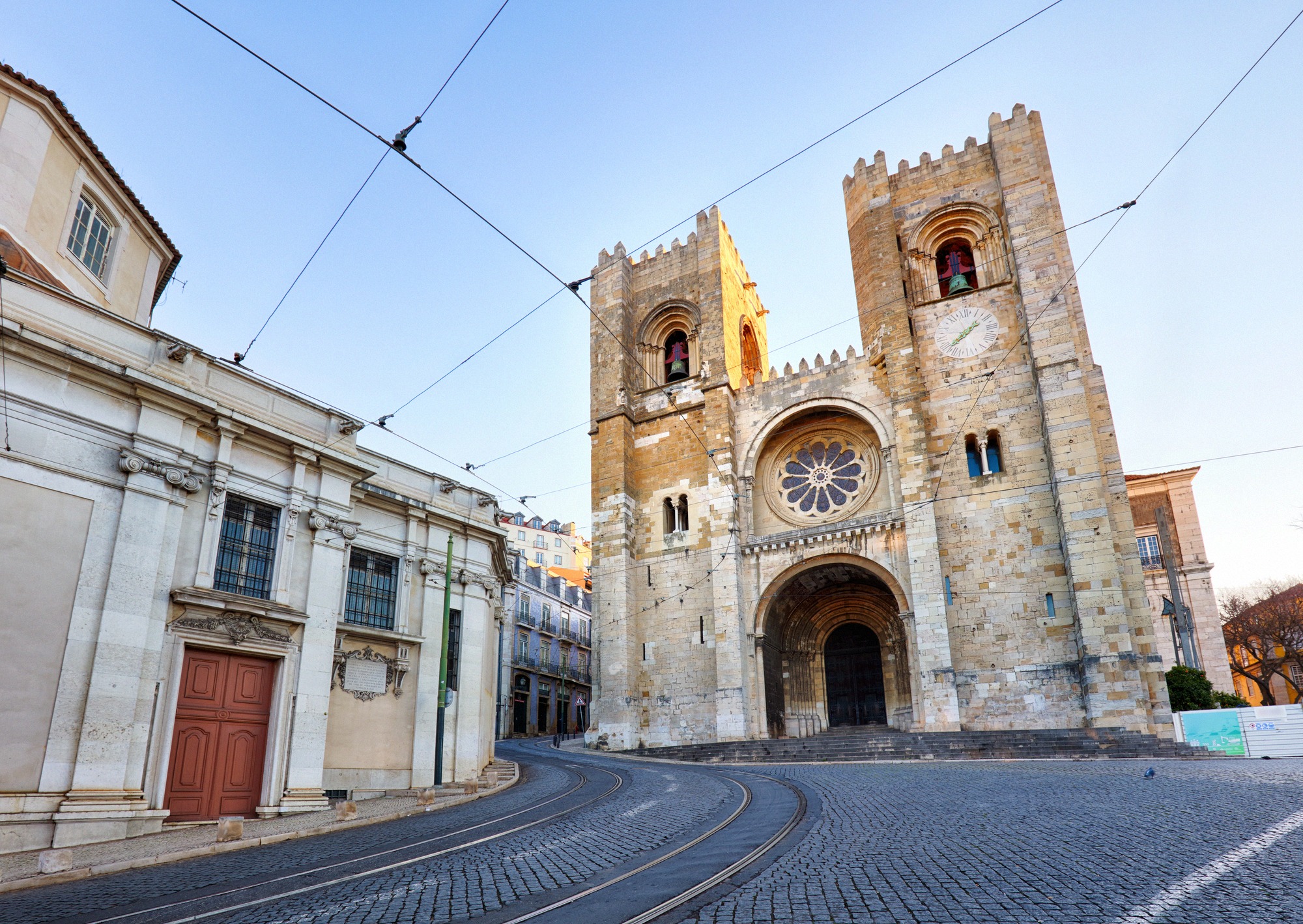
Lisbon Cathedral (Sé)
Lisbon's oldest church, from 1147, a fortress-like Romanesque cathedral with twin towers, a Gothic ambulatory and treasury, and the yellow Tram 28 outside.
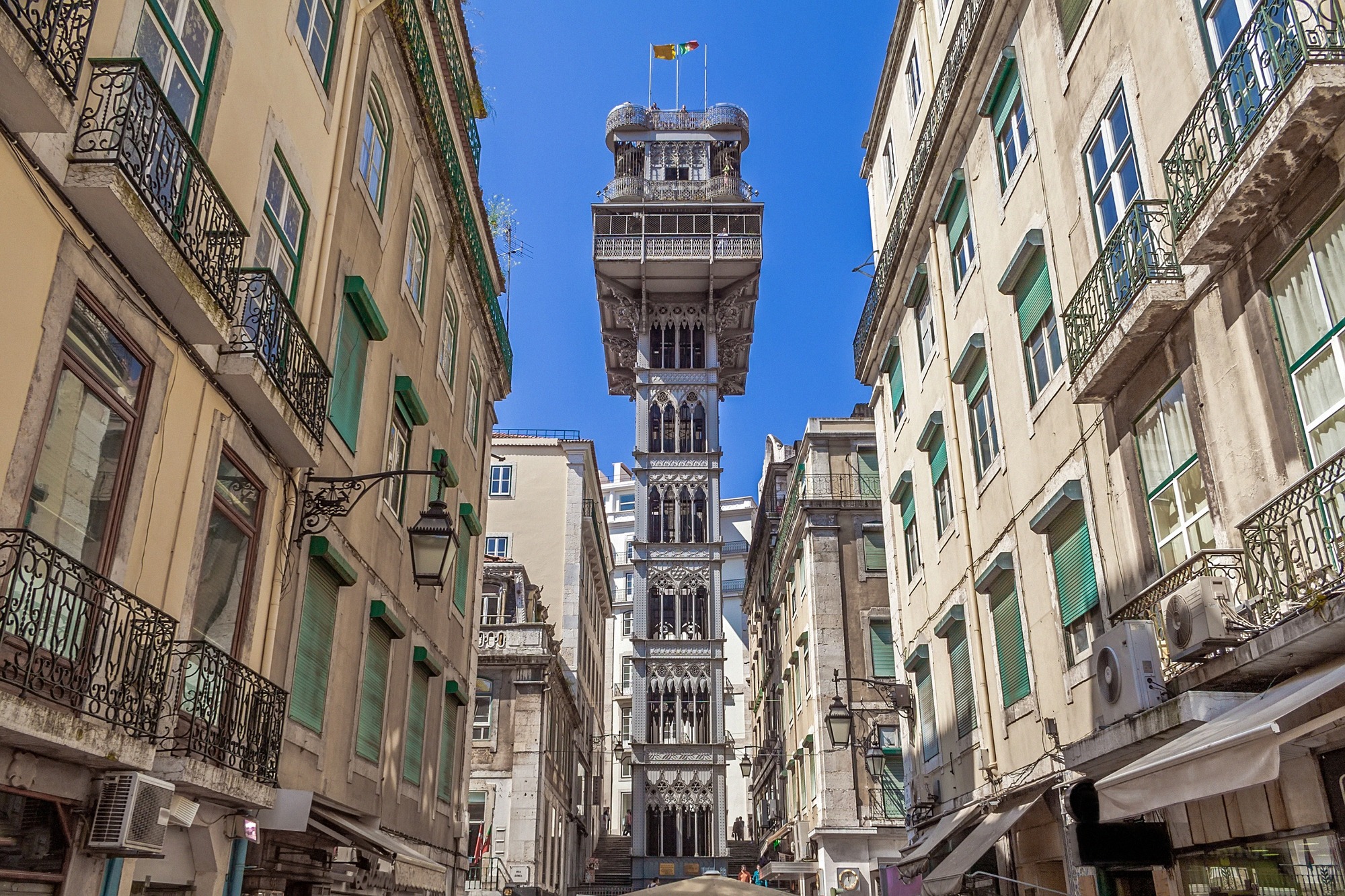
Santa Justa Lift
The neo-Gothic cast-iron lift from 1902 links the Baixa with the higher Largo do Carmo, a landmark with a viewing platform over the old town.
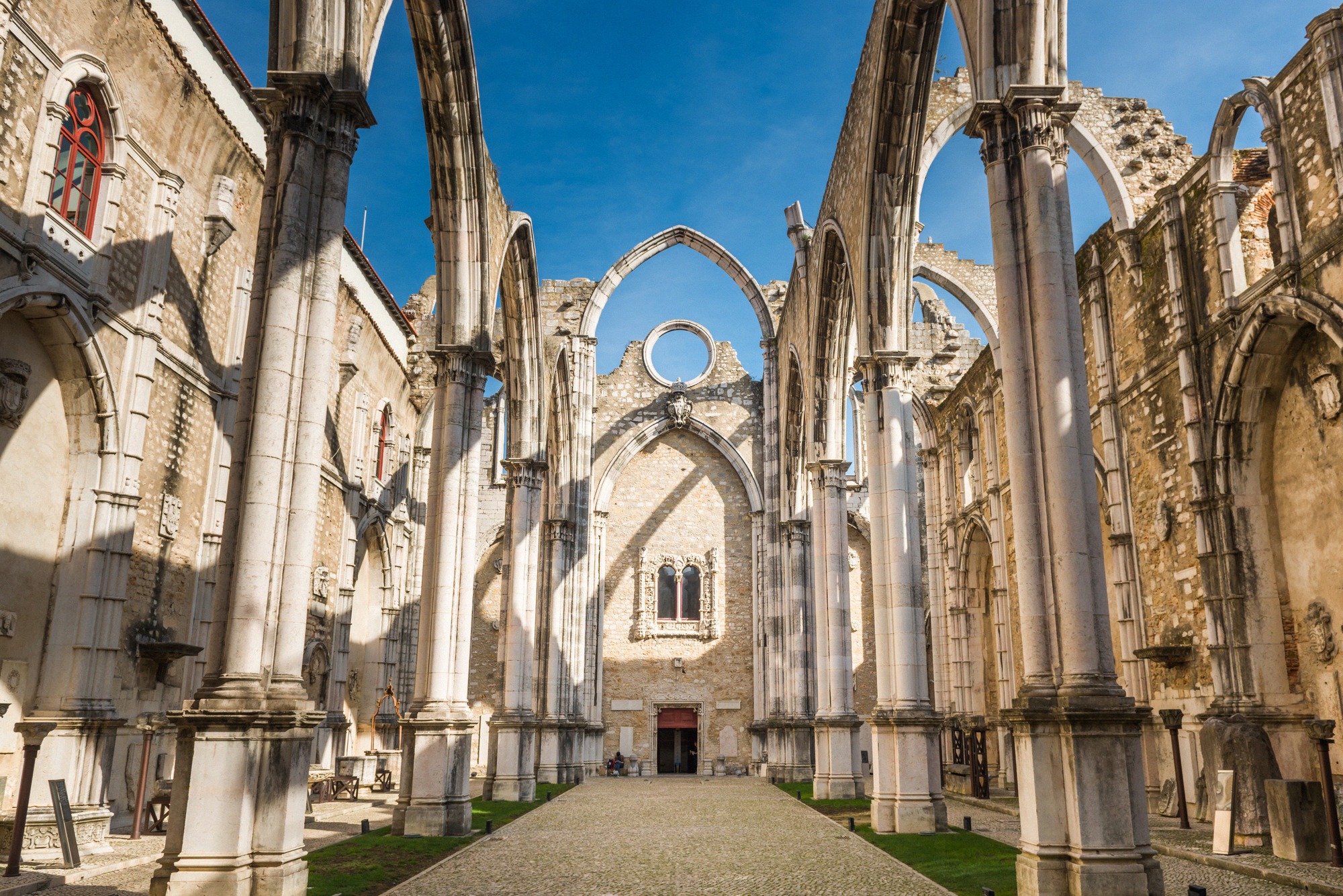
Carmo Convent
This roofless Gothic ruin above the Baixa recalls the 1755 earthquake, its open arches against the sky are now a memorial and archaeology museum.

Tram 28
The yellow Carris Line 28E climbs through Graça, Alfama and Estrela, a sightseeing ride at public transport prices, from Martim Moniz to Campo de Ourique.
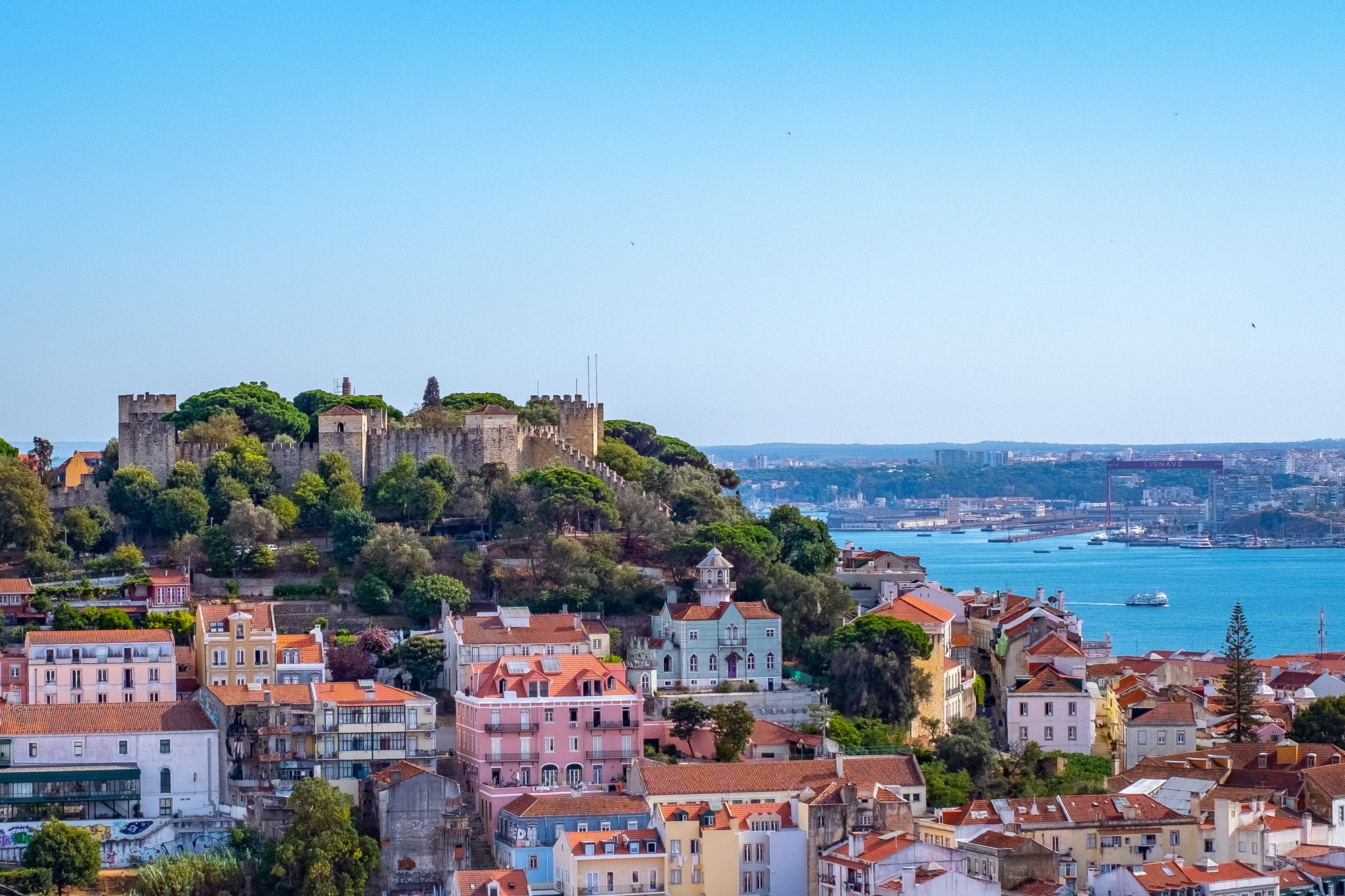
São Jorge Castle
The Moorish fortress crowns Lisbon's highest hill, with walkable ramparts, peacocks in the courtyard and the best all-round view over the old town and the Tagus.