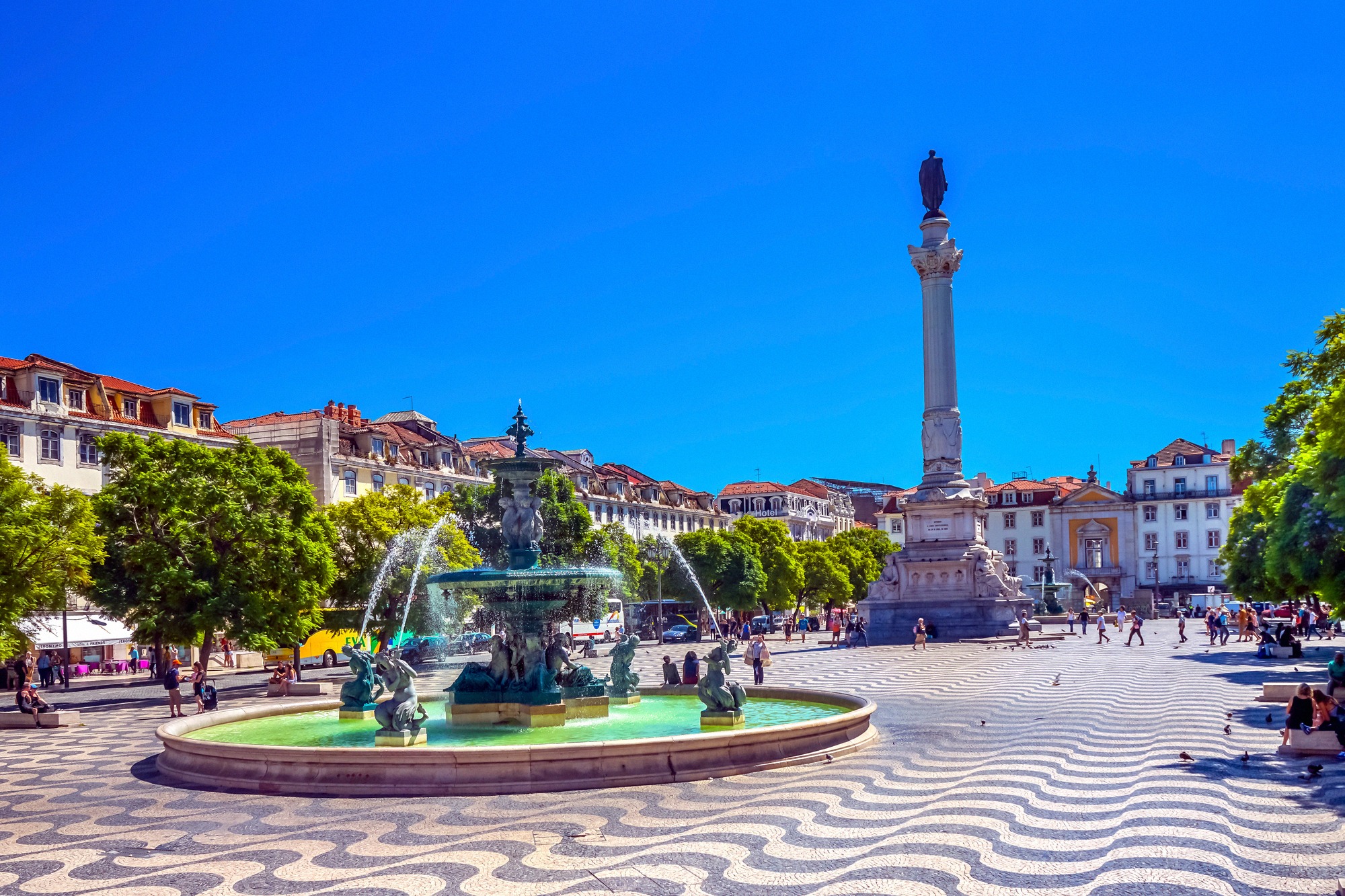
Baixa & Chiado
Planned centre with grand squares & shopping
Overview
Lisbon's six neighbourhoods at a glance, from central Baixa to old-town Alfama and monumental Belém. Which area suits which traveller, and what it costs.
Planned centre with grand squares & shopping
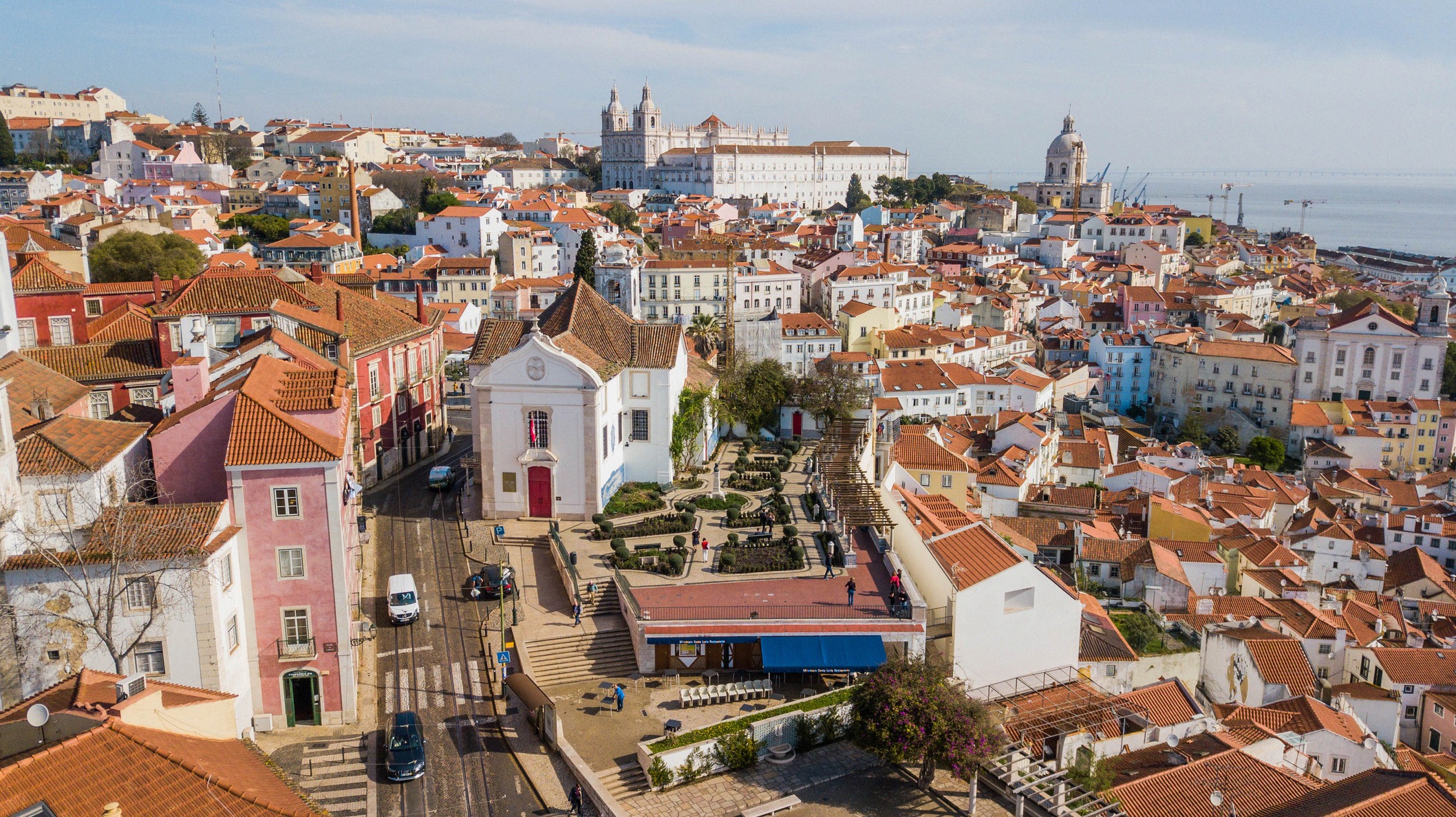
Lisbon's oldest neighbourhood and home of fado
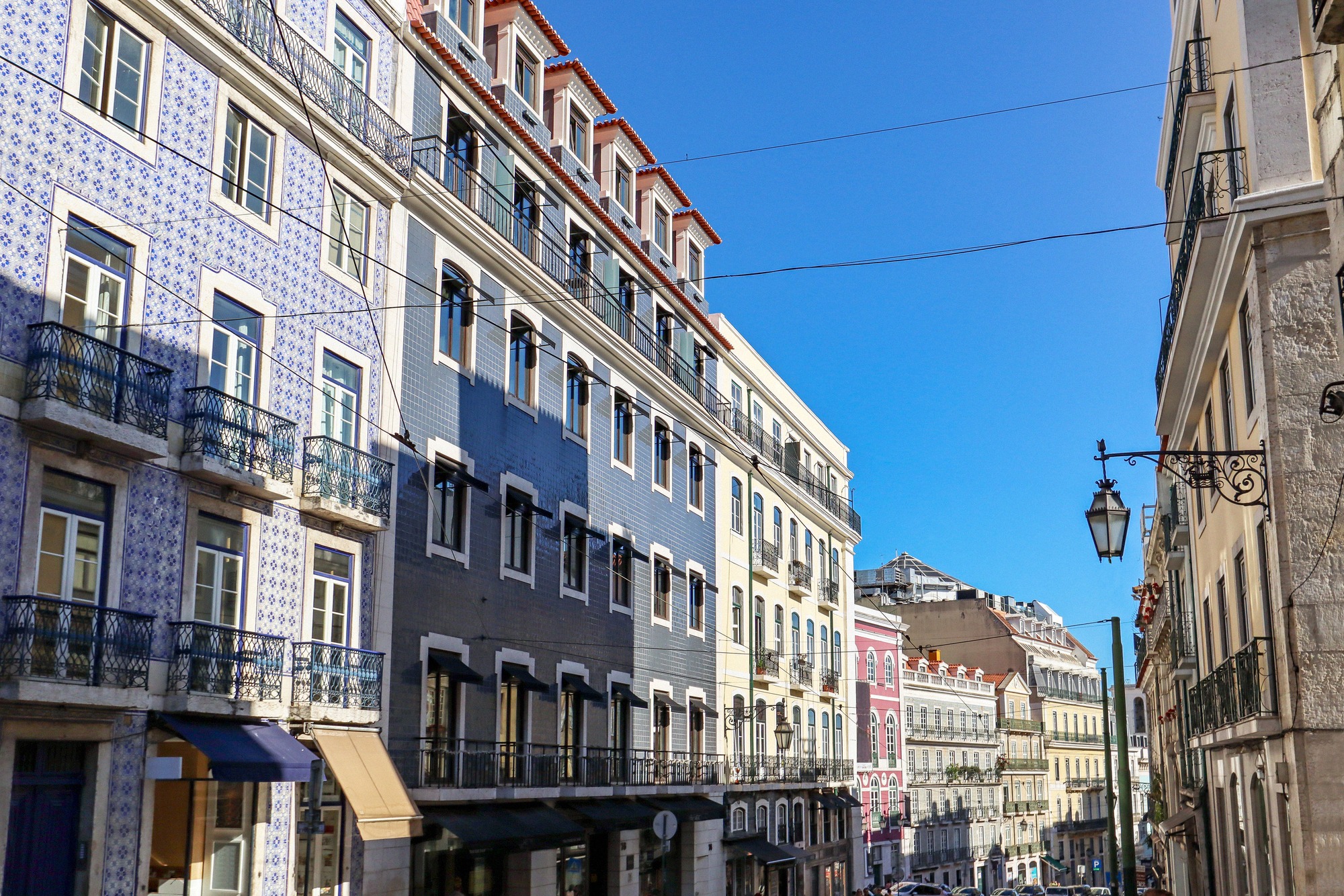
Lisbon's nightlife hub, full of bars and fado
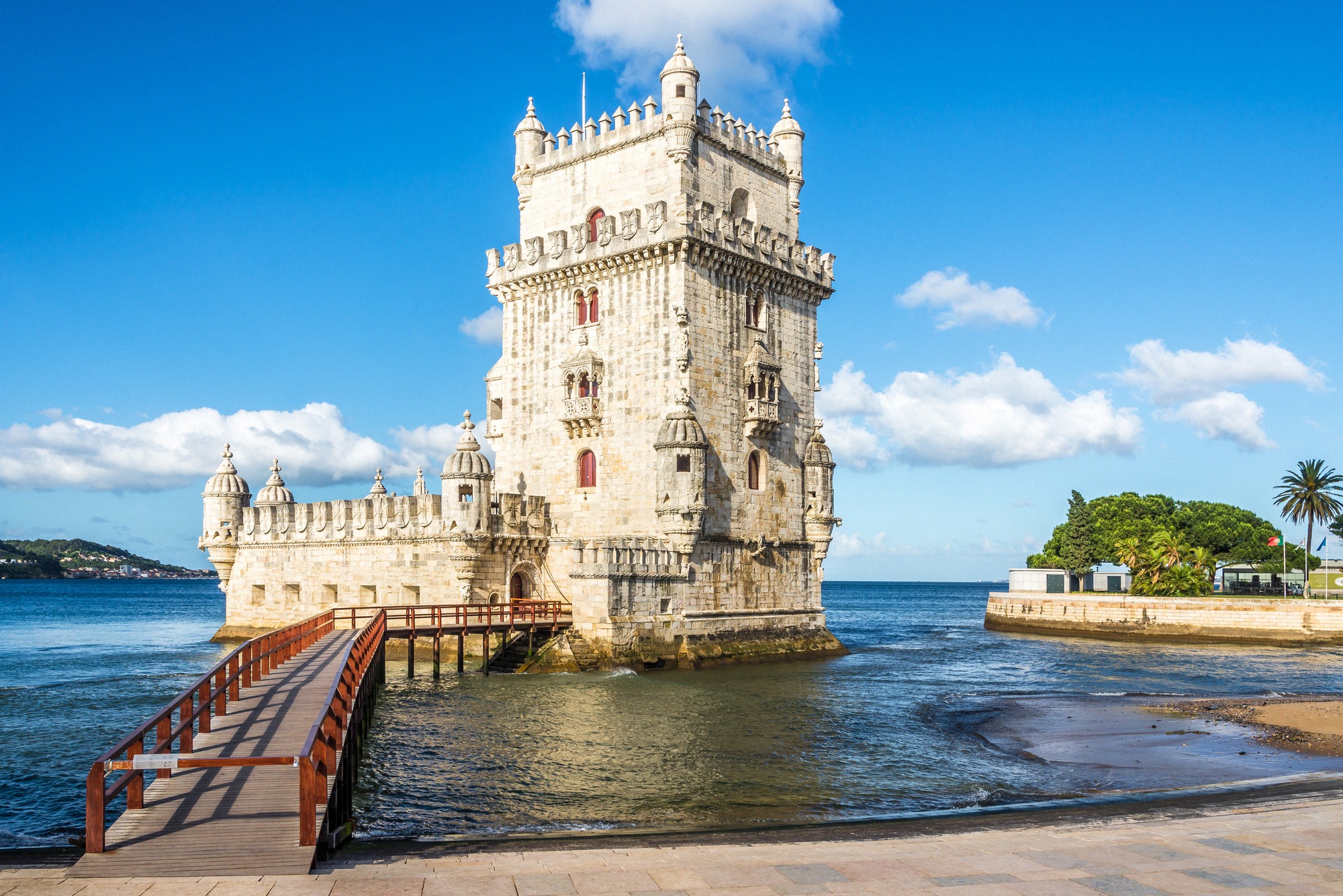
Lisbon's Age of Discovery quarter on the Tagus
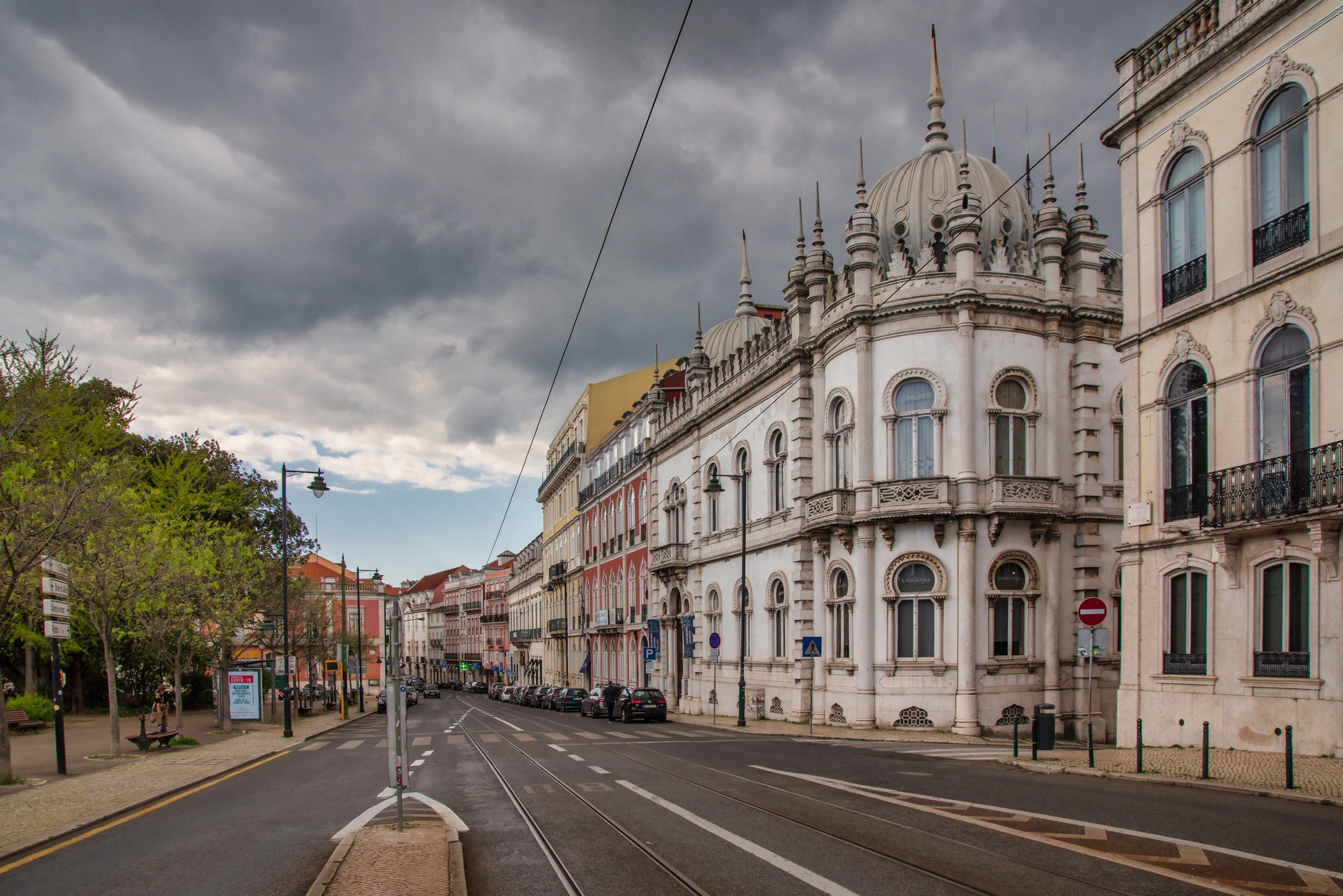
Elegant trendy district above Bairro Alto
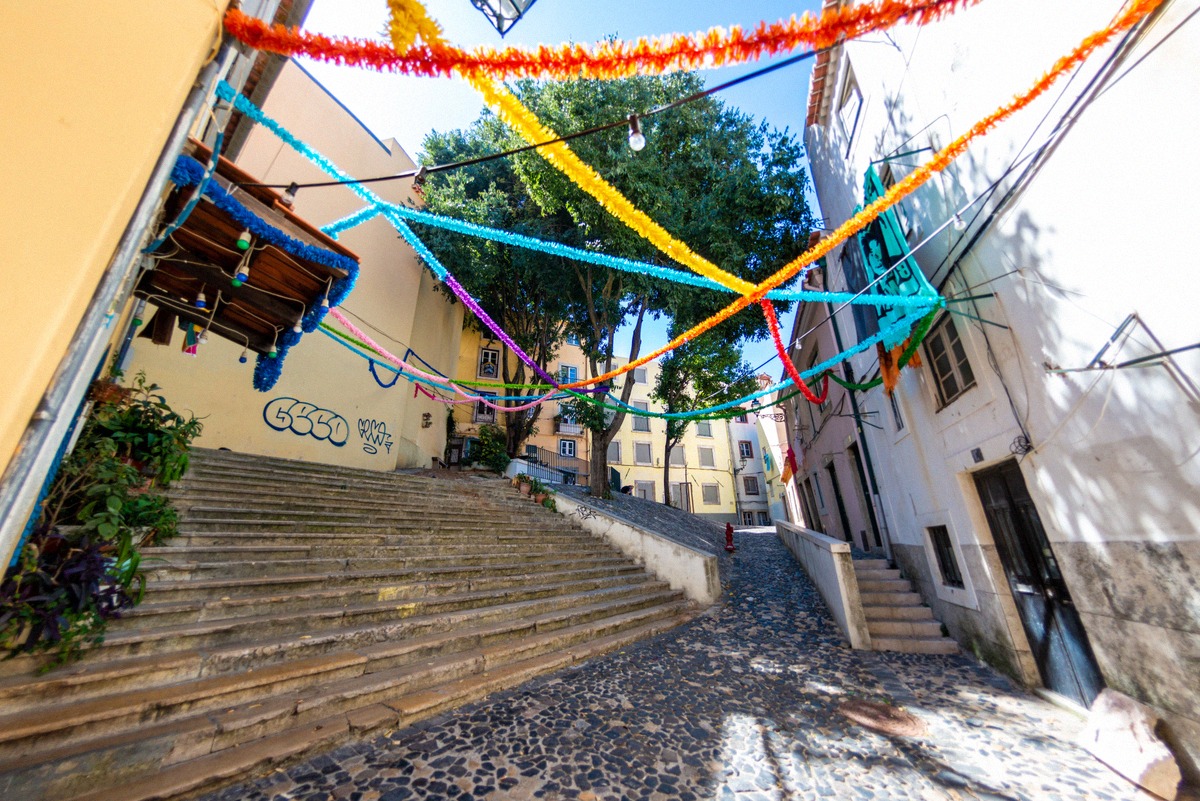
Multicultural old quarter behind the castle
No results found.
Lisbon is a city of hills and contrasts, and its character shifts from one street to the next. Six neighbourhoods define the city for visitors, each with its own pace and history.
The heart of the city is Baixa & Chiado: the lower town, laid out on a strict grid after the 1755 earthquake under the Marquês de Pombal, one of Europe's first planned neighbourhoods, with the elegant Chiado rising above it. This is where you'll find Praça do Comércio, the Rua Augusta Arch and the Santa Justa Lift. Flat, central and well connected, Baixa is the natural base for a first stay.
Rising directly to the east is the oldest neighbourhood: Alfama, a maze of steps and lanes beneath São Jorge Castle. Its name comes from the Arabic al-hamma, and it is the only district that largely survived the 1755 earthquake. Here stand Lisbon Cathedral (Sé) and the Miradouro de Santa Luzia, one of the city's finest viewpoints.
Above Chiado sits the nightlife district of Bairro Alto, quiet by day, Lisbon's liveliest strip after dark, with bars, fado houses, the São Roque church and the nearby Miradouro de São Pedro de Alcântara. The Bica Funicular climbs up from below. Right next door, elegant Príncipe Real charms with townhouses, concept stores and a shaded garden square, the calmer, more stylish alternative.
Behind the castle hill lies Mouraria, the city's most multicultural neighbourhood and the birthplace of fado (associated with singer Maria Severa in the 19th century), authentic, unpolished and evolving. Further west, Belém on the Tagus gathers the great Age-of-Discovery monuments: Jerónimos Monastery, Belém Tower and the Monument to the Discoveries, along with MAAT and the original Pastéis de Belém custard tarts.
The right base depends on your travel style. For first-time visitors and anyone who values short distances, Baixa & Chiado is the practical choice. If you're after culture and atmosphere, Alfama is essential. Night owls gravitate to Bairro Alto, while style-conscious and quieter travellers, including the LGBTQ+ scene, prefer Príncipe Real. Monuments, families and a slower pace suit Belém, and authentic, budget-friendly stays are found in Mouraria.
Walking around the neighbourhoods costs nothing; admission fees only apply to individual attractions. Good news for tight budgets: the miradouros and the church interiors of São Roque and the Sé are free, as is Praça do Comércio. If you plan to visit the major monuments, budget for admission, the Jerónimos Monastery costs €18, São Jorge Castle from €17, the Belém Tower €15, and the Carmo Convent €7. With the Lisboa Card, many of these highlights are free or discounted, and public transport is included, particularly worthwhile for the trip out to Belém, about six kilometres west of the centre.