Jerónimos Monastery
Monastery of the Hieronymites in Belém
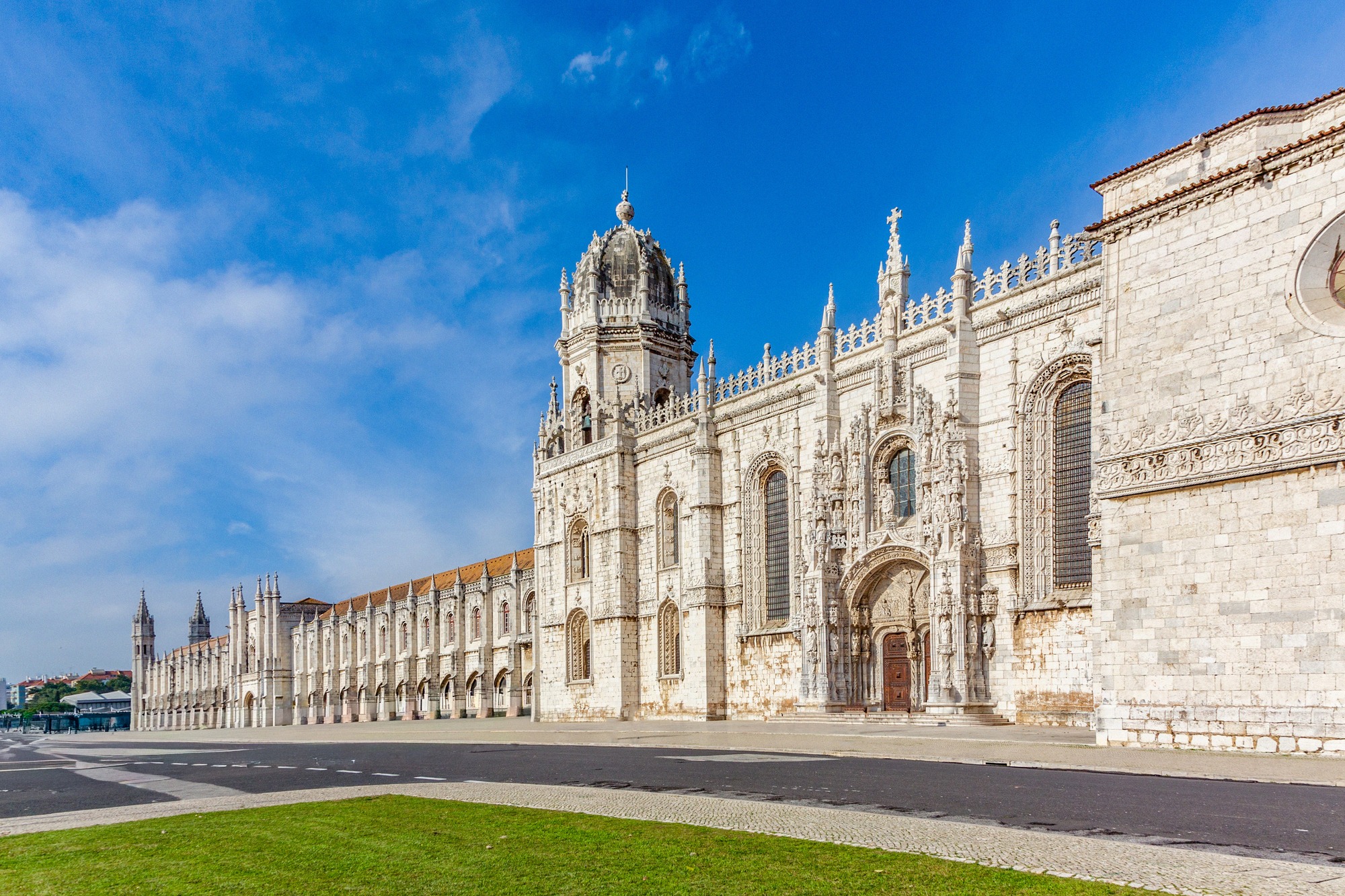
UNESCO World Heritage site in Belém and the high point of Manueline architecture, with a two-storey cloister and the free monastery church where Vasco da Gama is buried.
Contents
The high point of Manueline architecture
The Jerónimos Monastery was built from 1501 under King Manuel I for the Order of Saint Jerome (the Hieronymites), paid for with the riches of the spice trade with India, which made its way to Lisbon via the nearby Tagus. It is considered the most important building of Manueline style, Portugal's distinctive late-Gothic architecture that translates seafaring motifs, ropes, knots, coral, armillary spheres, into stone. Together with the nearby Belém Tower, the monastery has been a UNESCO World Heritage site since 1983 and is one of Portugal's most-visited monuments.
Church and cloister
Important for planning your visit: the monastery consists of two parts with separate hours, entrances and prices.
- The Santa Maria de Belém church is a light-filled, three-nave hall whose slender pillars rise into a fan-like vault. This is where the navigator Vasco da Gama and the national poet Luís de Camões rest, in two richly decorated tombs right by the entrance. The church is still used for worship today and is free to enter.
- The real highlight is the two-storey cloister (Claustro), with its filigree stone tracery. Every arch and column is different; the maritime and exotic motifs make it one of the finest cloisters in Europe. There is an admission charge for the cloister and monastery.
So if you only want to see Vasco da Gama's tomb, you can visit the church for free. But for the Manueline stonework of the cloister, the ticket is almost always worth it.
Tickets, prices & queues
Standard admission for the cloister and monastery is €18 (as of 2026). The church is unaffected and remains free. There's a 50% discount for 13 to 24-year-olds, over-65s, and family tickets (one adult plus one minor); the official site does not state an exact euro amount for this. Free admission applies to, among others, children up to 12, unemployed EU citizens, and people with disabilities plus one companion. With the Lisboa Card, the paid part of the monastery is included at no extra cost.
Official online sales run through the byMEO Blueticket platform of Museus e Monumentos de Portugal. Booking online with a fixed time slot is strongly recommended in high season: without a ticket, queues at the counter can run to up to two hours. There is no official fast-track entry, the online ticket saves you the ticket-counter queue, but not the security check at the entrance.
Visiting & practical info
Allow 1 to 1.5 hours for your visit. The most relaxed time to go is on weekdays right at opening, 9:30 (Tue-Fri), before the tour groups arrive. Note the separate opening hours: the cloister is open Tue-Sun from 9:30 to 17:30 (last entry 17:00, ticket counters close at 16:30), the church Tue-Sat from 10:30 to 17:00 and on Sundays and public holidays only from 14:00. Everything is closed on Mondays, as well as on 1 January, Easter Sunday, 1 May, 13 June and 25 December.
The monastery is in the Belém district, on Praça do Império. Tram 15E and bus 728 stop about 150 metres away, right outside; from Belém train station (on the Cascais line from Cais do Sodré) it's about a ten-minute walk. From the Belém Tower, it's roughly 1.1 km along the Tagus (about 15 minutes on foot), with the Monument to the Discoveries about halfway there. Just around the corner, at the Pastéis de Belém bakery, you'll find the original custard tarts, the queue there is worth it. Belém works well as a half-day plan, with the monastery as the morning's opening act.
Frequently asked questions
Is entry to the Jerónimos Monastery free?+
How do I avoid the queue?+
What are the opening hours for the church and cloister?+
Is the cloister worth the ticket price?+
Nearby
Monument to the Discoveries
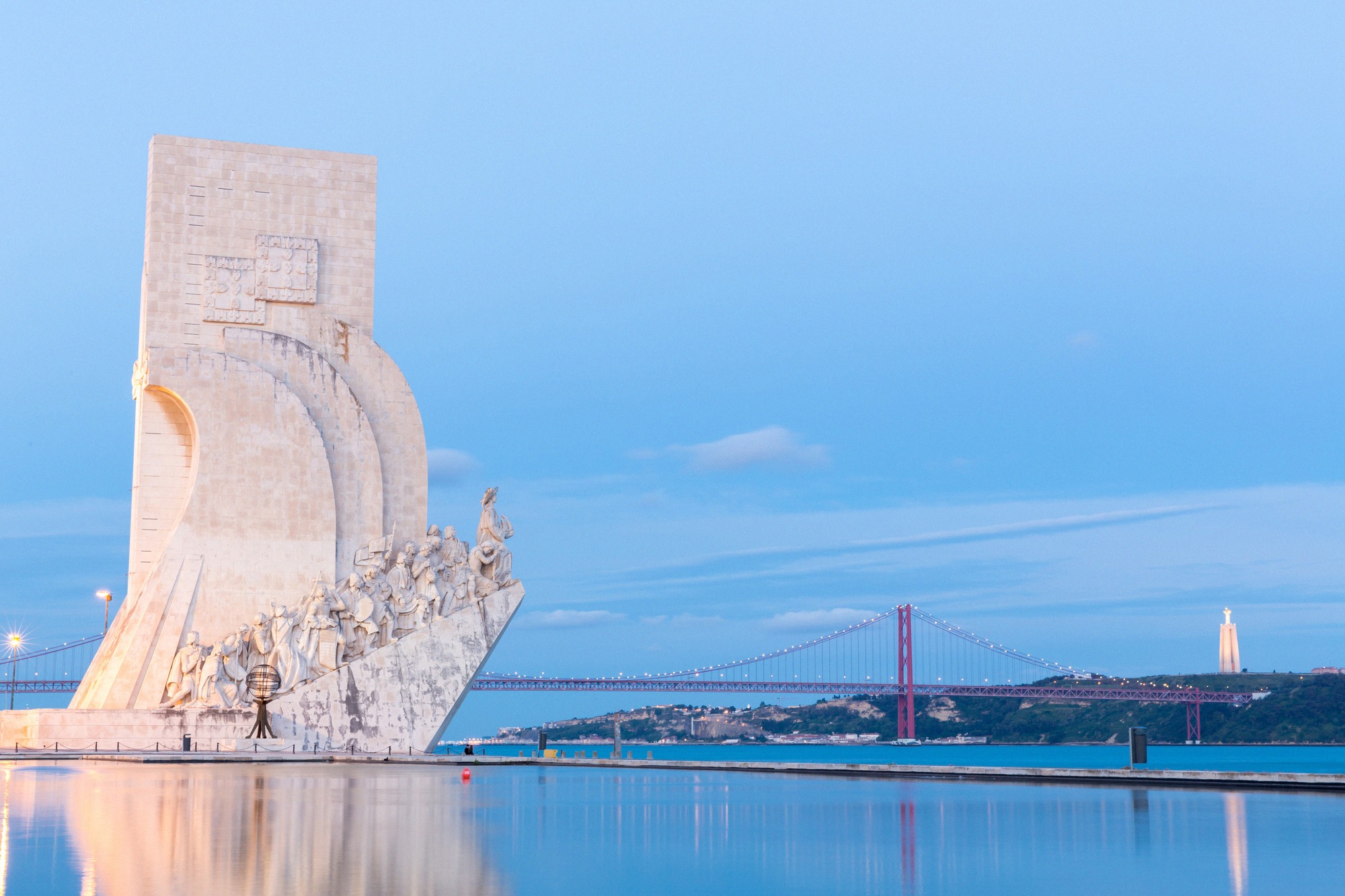
The Age-of-Discovery monument on the Tagus in Belém, shaped like a caravel's bow, with 33 figures from the age of exploration, a viewing platform and the world map set in the paving below.
MAAT
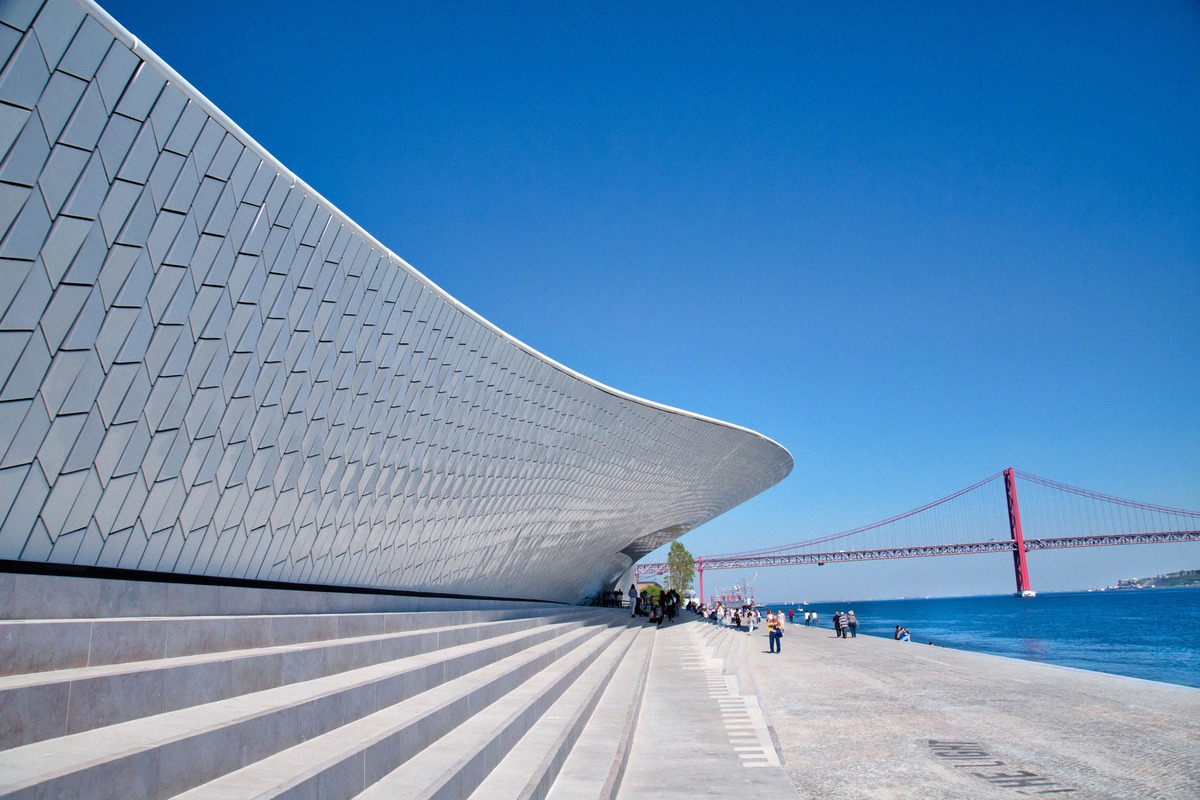
MAAT in Belém is Lisbon's boldest museum building on the Tagus, a curving new wing with a free rooftop walkway, plus the historic old Central Tejo power station.
Torre de Belém
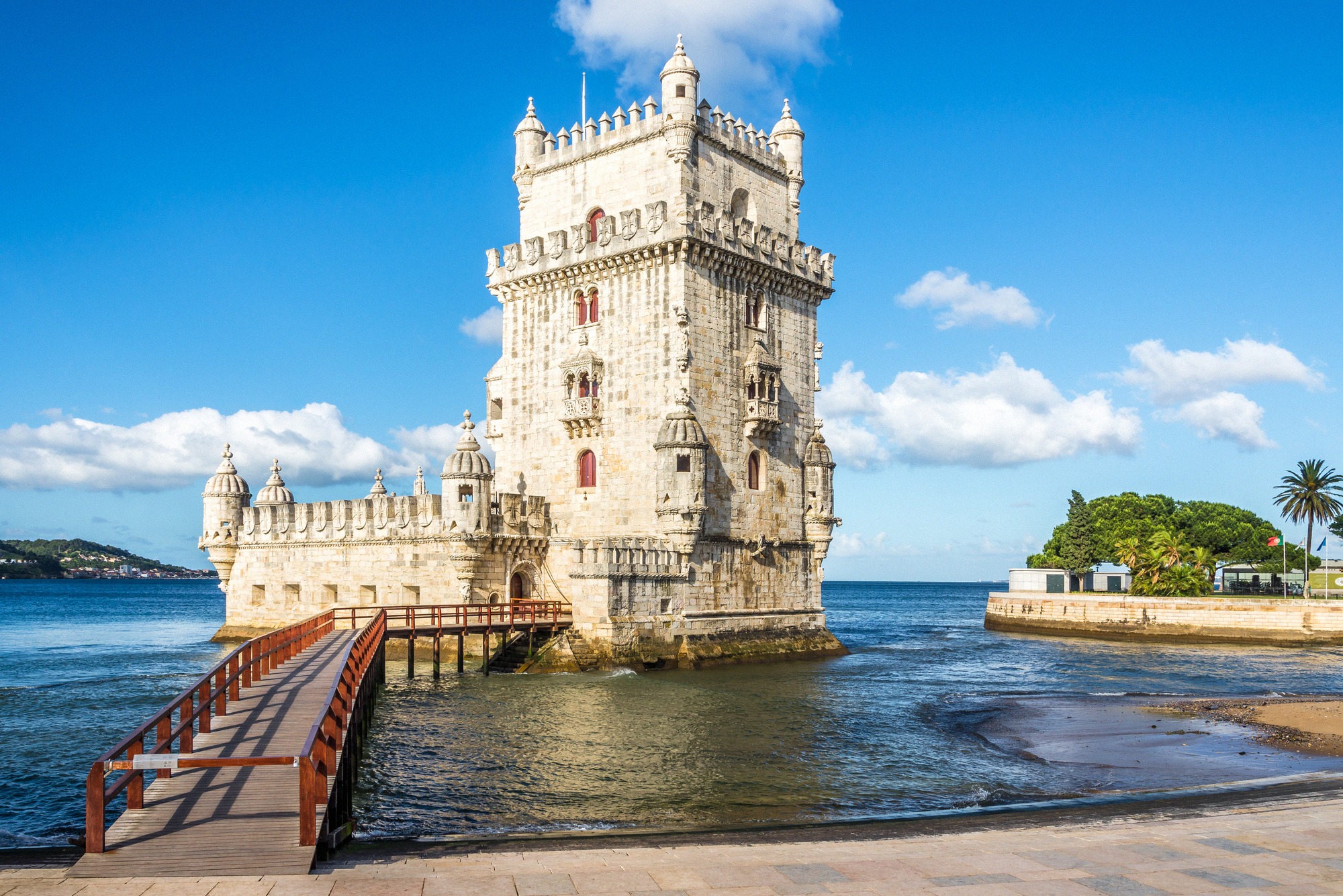
The Manueline fortress tower on the Tagus is a UNESCO World Heritage Site and Lisbon's most famous landmark, once the departure point for Portugal's explorers.
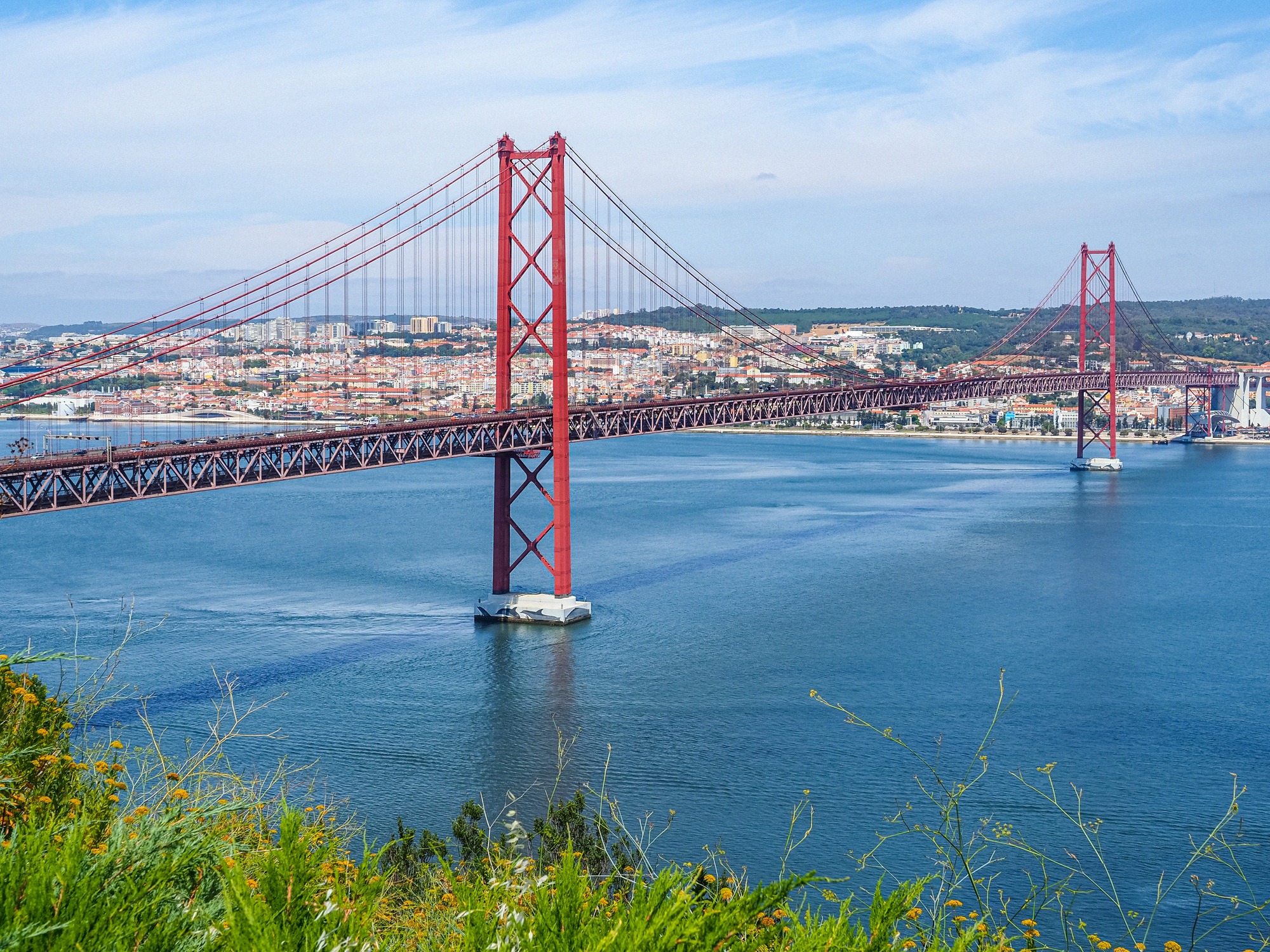
25 de Abril Bridge
The red suspension bridge over the Tagus resembles the Golden Gate Bridge and links Lisbon to Almada - Cristo Rei watches over the south bank.
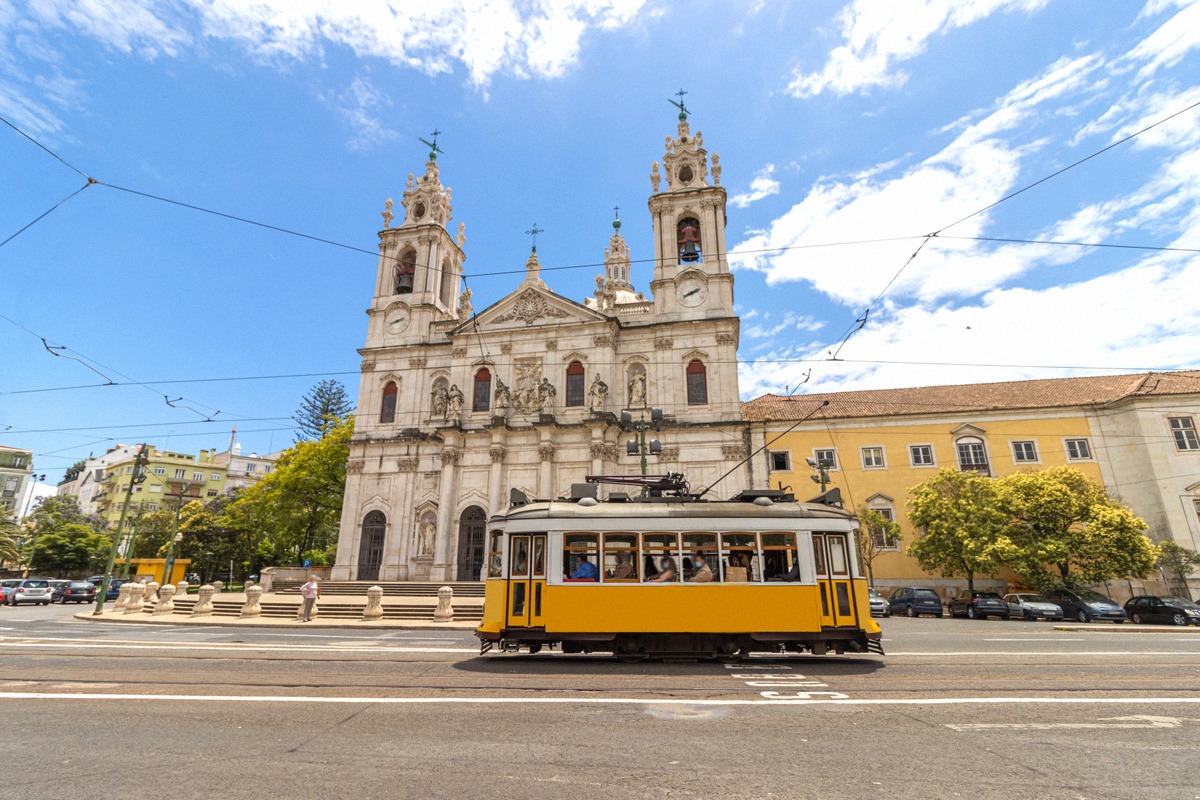
Estrela Basilica
The Basílica da Estrela of 1790 crowns a hill in western Lisbon, marble interior, the tomb of Queen Maria I and a cork nativity scene.

Time Out Market
Inside the historic Mercado da Ribeira, two dozen stalls gather the best chefs and restaurants in Lisbon under one roof, the city's most popular food hall.