Monument to the Discoveries
Age-of-Discovery monument shaped like a caravel's bow, in Belém
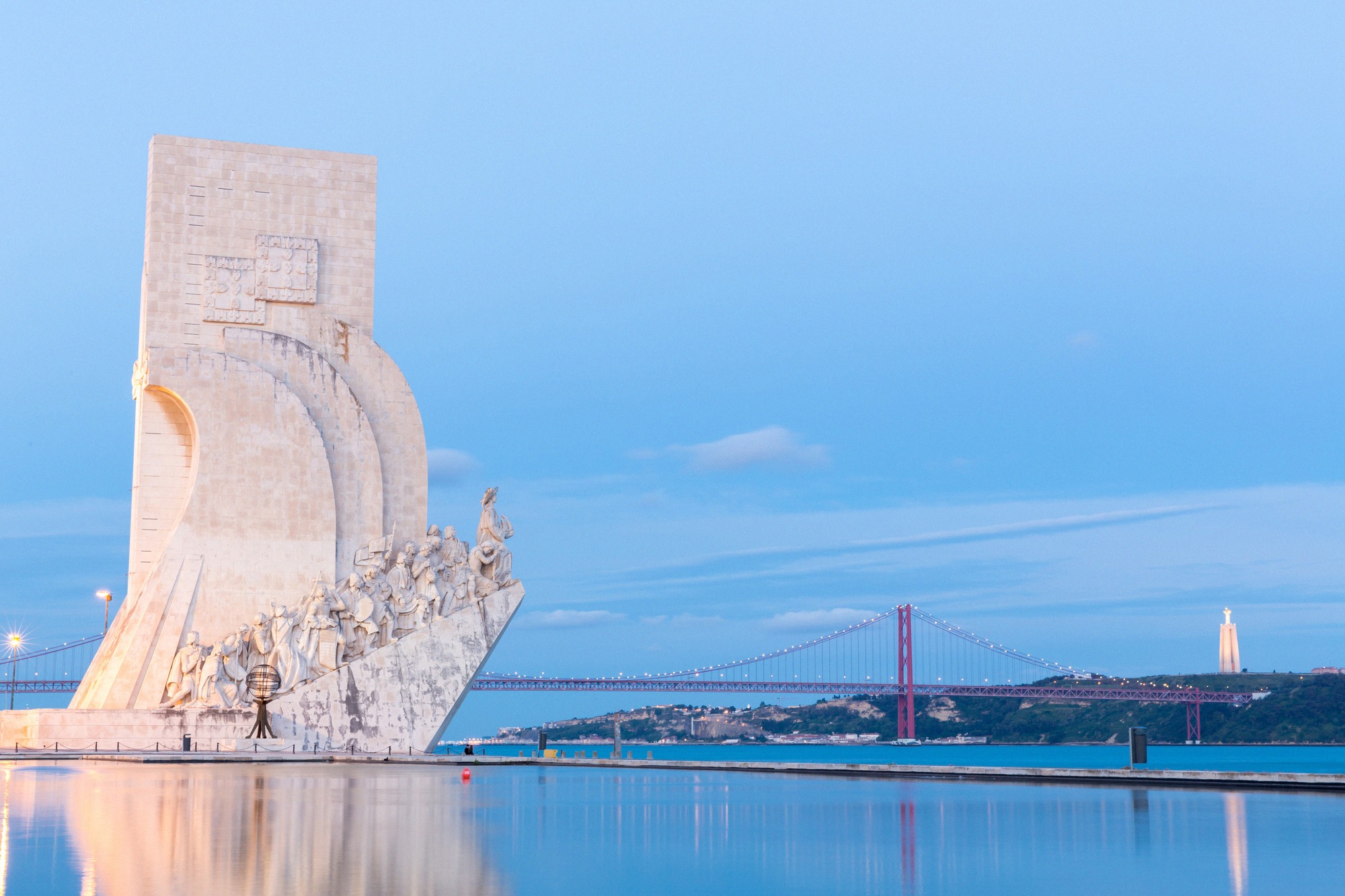
The Age-of-Discovery monument on the Tagus in Belém, shaped like a caravel's bow, with 33 figures from the age of exploration, a viewing platform and the world map set in the paving below.
Contents
A stone caravel's bow on the Tagus
The Monument to the Discoveries (Padrão dos Descobrimentos) stands on the bank of the Tagus in Belém, right where the caravels once set sail on their great voyages. The monument takes the form of a stylised ship's bow, rising into the sky in concrete and limestone. It was designed by the architect Cottinelli Telmo and the sculptor Leopoldo de Almeida: first built in 1940 as a temporary structure for the World Exhibition, then rebuilt permanently in 1960 to mark the 500th anniversary of the death of Henry the Navigator.
Its height is reported inconsistently, most sources give around 52 metres, while the official site states 56 metres in one place. The figures on the bow and ramps, by contrast, are clearly documented.
33 figures from the age of discovery
At the tip of the bow stands the central, 9-metre-tall figure of Henry the Navigator (Infante Dom Henrique), holding a model ship. Behind him, 32 further figures from the Portuguese age of discovery line the two side ramps, including Henry, that makes 33 in total. They are not only navigators, but also cartographers, soldiers, missionaries, chroniclers and artists.
Among the most prominent:
- Vasco da Gama, who discovered the sea route to India
- Ferdinand Magellan (Fernão de Magalhães), whose expedition circumnavigated the globe
- Pedro Álvares Cabral, who reached Brazil, and Bartolomeu Dias, who rounded the Cape of Good Hope
- King Manuel I, under whom Portugal enjoyed its golden age
- the poet Luís de Camões and the patron Queen Philippa of Lancaster
World map, lift and view
In front of the monument, a huge compass rose with a world map spreads out across the paving, marking the routes and dates of the Portuguese voyages of discovery, a gift from South Africa. It's part of the freely accessible outdoor area and is worth seeing even without a ticket.
Inside, a lift takes visitors up to the 6th floor, after which 42 steps lead to the viewing platform at around 50 metres. From the top you look out over the Tagus, Praça do Império, the nearby Jerónimos Monastery and the world map in the paving below. A rotating exhibition in the base of the monument covers the history of Lisbon and the discoveries, alongside a short film.
Tickets & prices
The outdoor area with the monument and world map is freely accessible, the monument itself isn't fenced off. Admission is charged only for the lift to the viewing platform and the indoor exhibition:
- Adults €10 for the platform, exhibition and film, exhibition only €5
- Ages 13-25 €5, seniors 65+ €8.50, children under 12 free
- Free with the Lisboa Card
The monument sells tickets online exclusively through the authorised platform BOL.pt; there's no official skip-the-line or express ticket. Any priority-access offers you see come only from third-party booking portals. In practice, queues here tend to be shorter than at the nearby Belém Tower, though there are no reliable wait-time figures.
Visit & practicalities
Allow 45 to 60 minutes, including the outdoor area, lift and platform; add extra time for queuing if it's busy. The nicest time to come is mid-morning with clear visibility: the sun then sits well in the east for the view over the Tagus (a travel tip, not an official recommendation). The monument opens daily, until 18:00 in winter (Oct-Feb) and until 19:00 in summer (Mar-Sep); it's closed on a handful of public holidays.
Belém lies roughly 6 to 7 kilometres west of central Lisbon. The easiest way there is by train to Belém station, on tram 15, or on bus routes 728, 714, 727, 729 and 751. Pedestrian tunnels and bridges from the station and the Centro Cultural de Belém cross the riverside road to the monument (address: Av. Brasília, 1400-038 Lisboa). There's no dedicated parking at the monument itself.
The visit pairs naturally with Belém's other landmarks: the Jerónimos Monastery, the Belém Tower and the modern MAAT right on the river. If you're short on time, take in the monument and the world map for free from outside and skip the platform, the view from the top is lovely, but it's not essential.
Frequently asked questions
Can you go up the Monument to the Discoveries?+
How much does admission cost?+
Who do the figures on the monument represent?+
How do you get to the monument in Belém?+
Nearby
Jerónimos Monastery
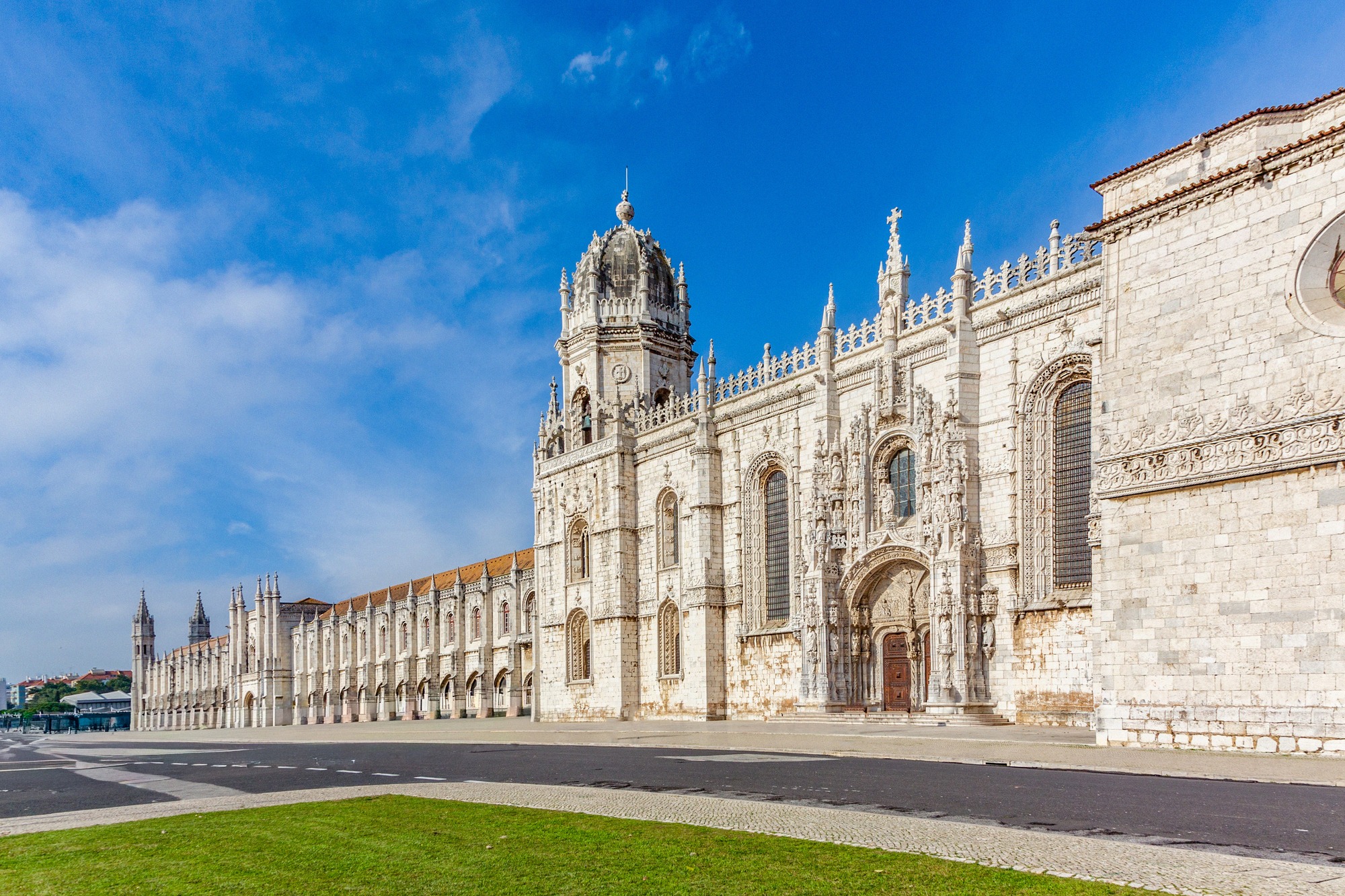
UNESCO World Heritage site in Belém and the high point of Manueline architecture, with a two-storey cloister and the free monastery church where Vasco da Gama is buried.
Torre de Belém
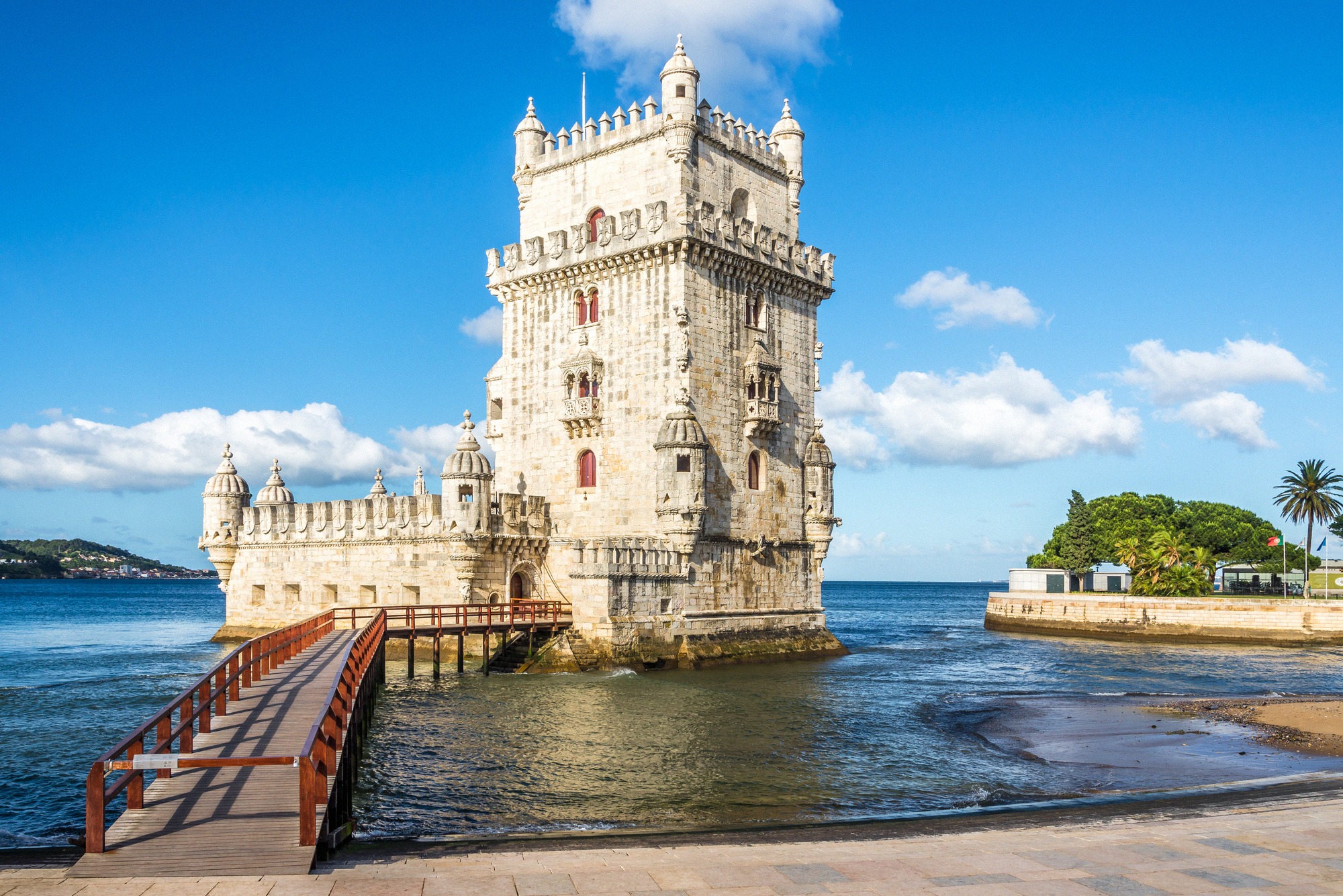
The Manueline fortress tower on the Tagus is a UNESCO World Heritage Site and Lisbon's most famous landmark, once the departure point for Portugal's explorers.
MAAT
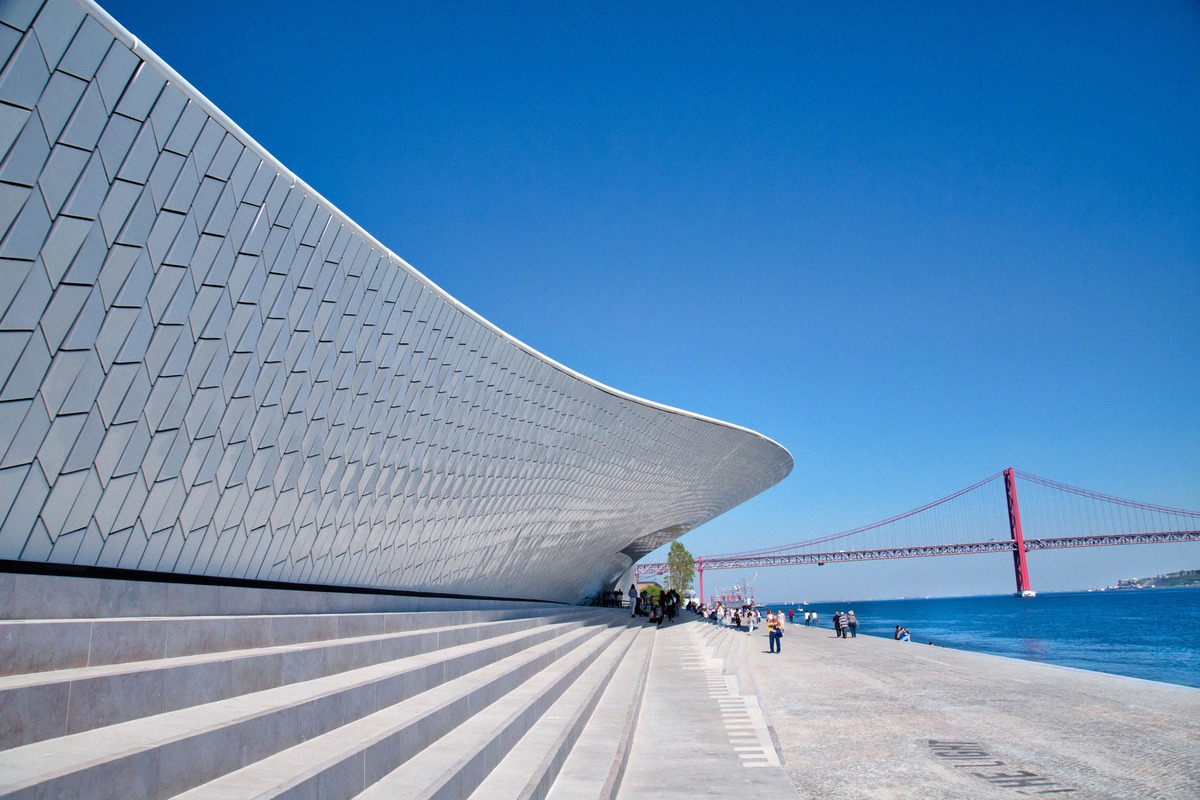
MAAT in Belém is Lisbon's boldest museum building on the Tagus, a curving new wing with a free rooftop walkway, plus the historic old Central Tejo power station.
25 de Abril Bridge
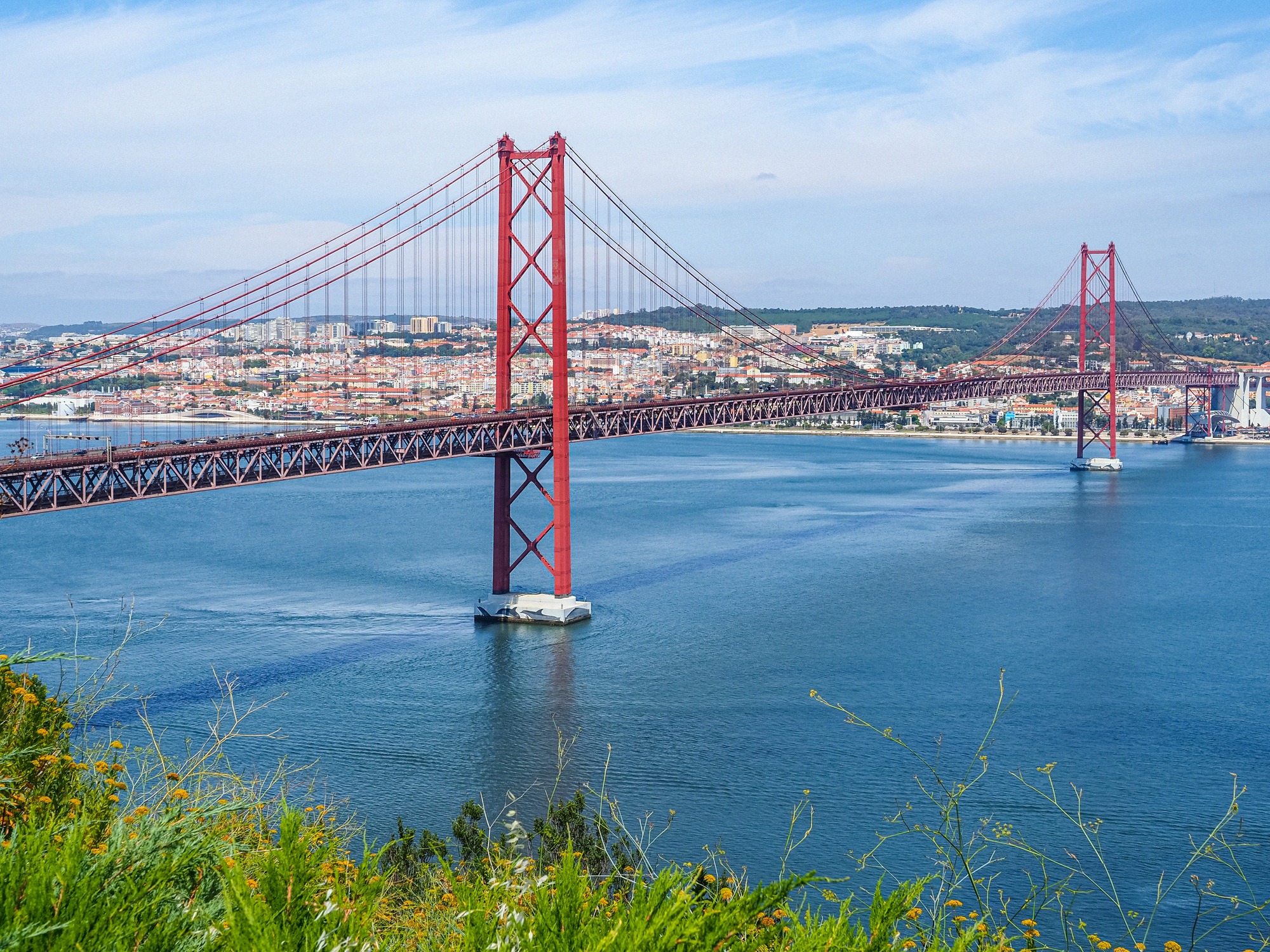
The red suspension bridge over the Tagus resembles the Golden Gate Bridge and links Lisbon to Almada - Cristo Rei watches over the south bank.
Estrela Basilica
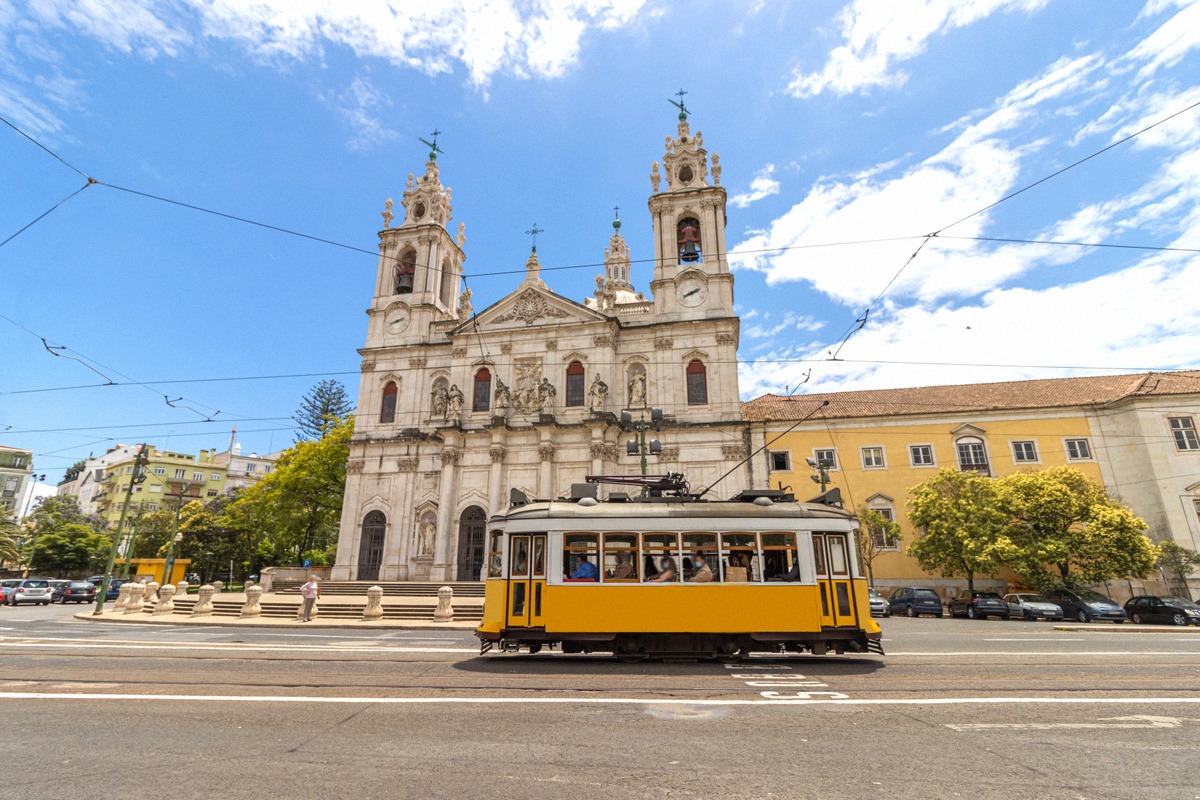
The Basílica da Estrela of 1790 crowns a hill in western Lisbon, marble interior, the tomb of Queen Maria I and a cork nativity scene.

Time Out Market
Inside the historic Mercado da Ribeira, two dozen stalls gather the best chefs and restaurants in Lisbon under one roof, the city's most popular food hall.