Alfama
Lisbon's oldest neighbourhood and home of fado
Lisbon's oldest neighbourhood, below São Jorge Castle: a Moorish maze of lanes and steps with fado bars, Lisbon Cathedral and the Miradouro de Santa Luzia.
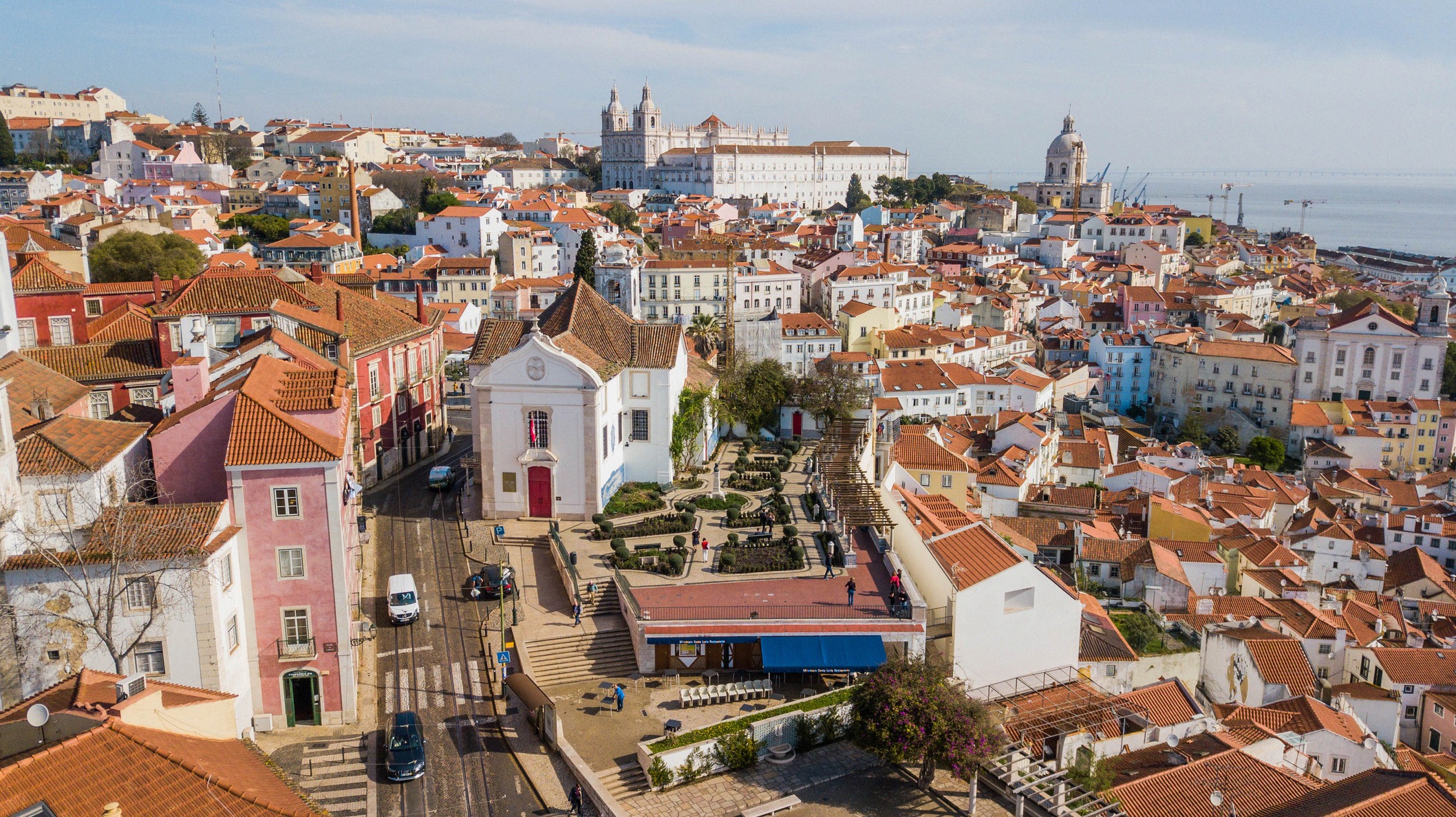
A Moorish legacy
Alfama is Lisbon's oldest and most original neighbourhood, and the only one that largely survived the 1755 earthquake. The name comes from the Arabic al-hamma (springs). Below São Jorge Castle, a maze of narrow, cobbled lanes, steep steps and small squares tumbles down the hillside to the Tagus, getting lost here is practically guaranteed, and that is exactly the appeal.
Fado and viewpoints
Alfama is the home of fado, Portugal's melancholic traditional song, which drifts out of countless bars come evening. By day, the miradouros (viewpoints) of Santa Luzia and Portas do Sol, Lisbon Cathedral (Sé) and the Fado Museum draw visitors in. Washing lines criss-cross between the houses and older residents sit chatting in their doorways - Alfama is a living village in the heart of the city.
Charm with a climb
As picturesque as it is, the steep, cobbled terrain makes Alfama a demanding place to live with heavy luggage. For a visit, though, it is unmissable, and best explored on foot with no fixed plan.
Around Alfama
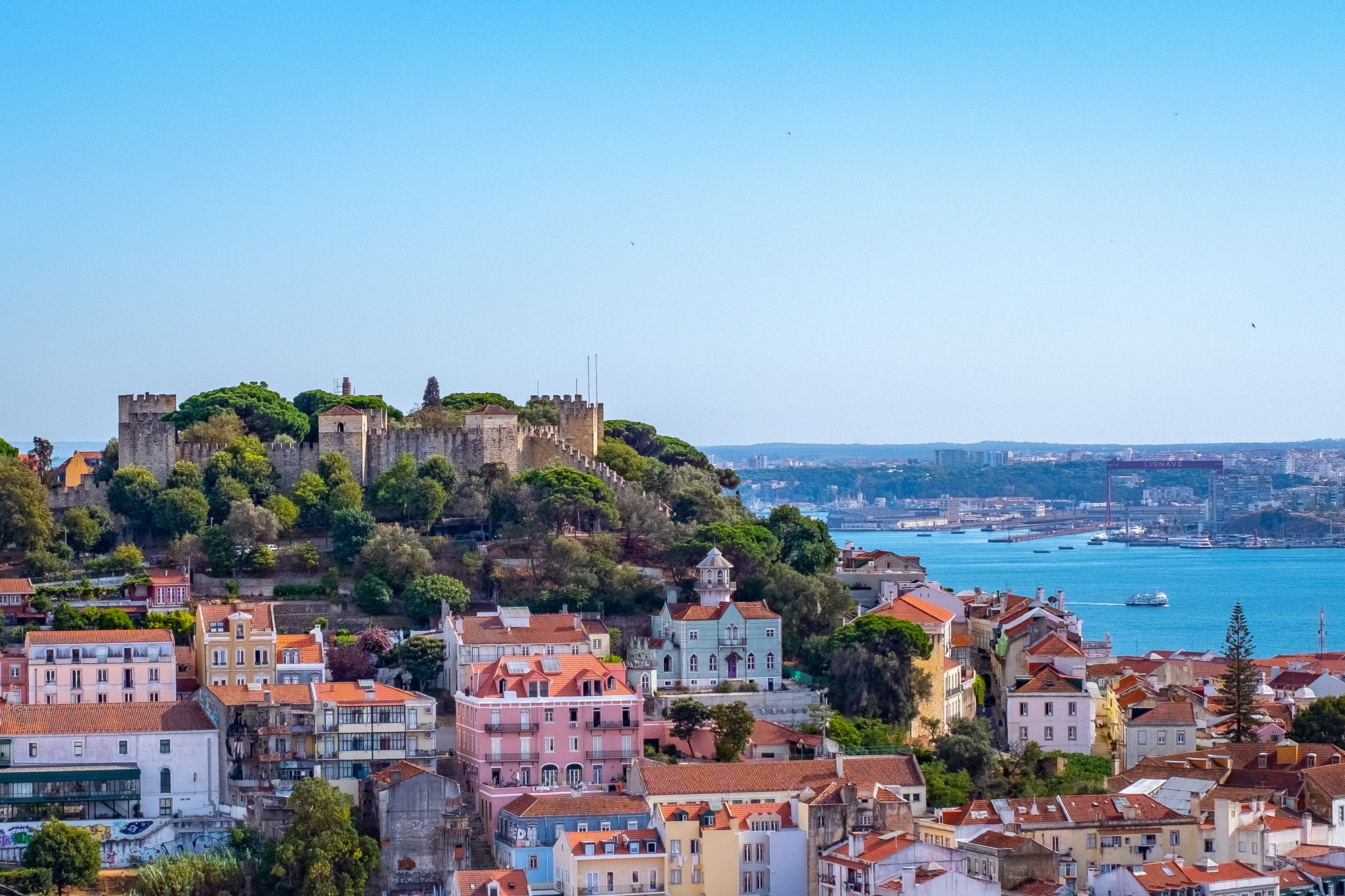
São Jorge Castle
The Moorish fortress crowns Lisbon's highest hill, with walkable ramparts, peacocks in the courtyard and the best all-round view over the old town and the Tagus.
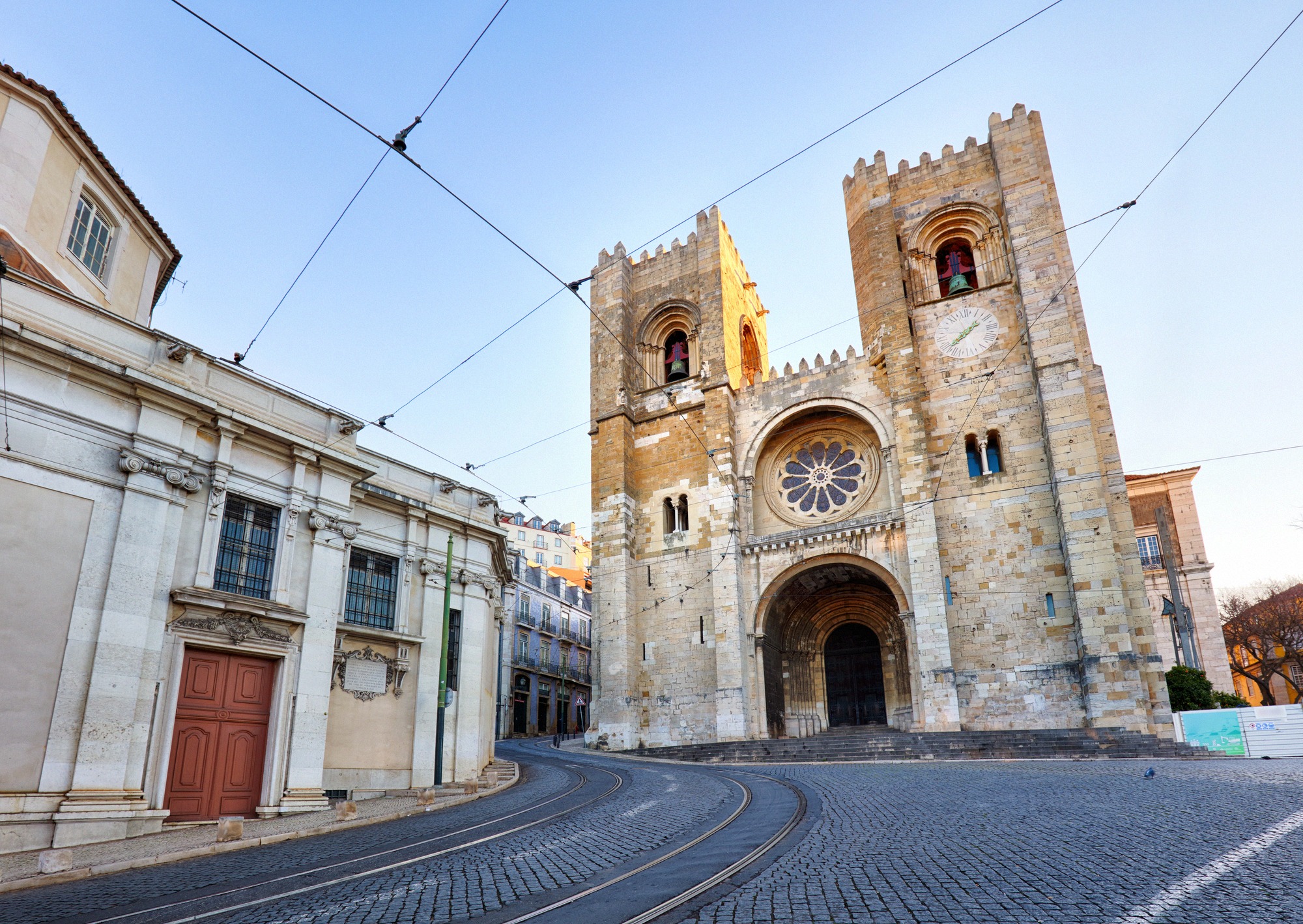
Lisbon Cathedral (Sé)
Lisbon's oldest church, from 1147, a fortress-like Romanesque cathedral with twin towers, a Gothic ambulatory and treasury, and the yellow Tram 28 outside.
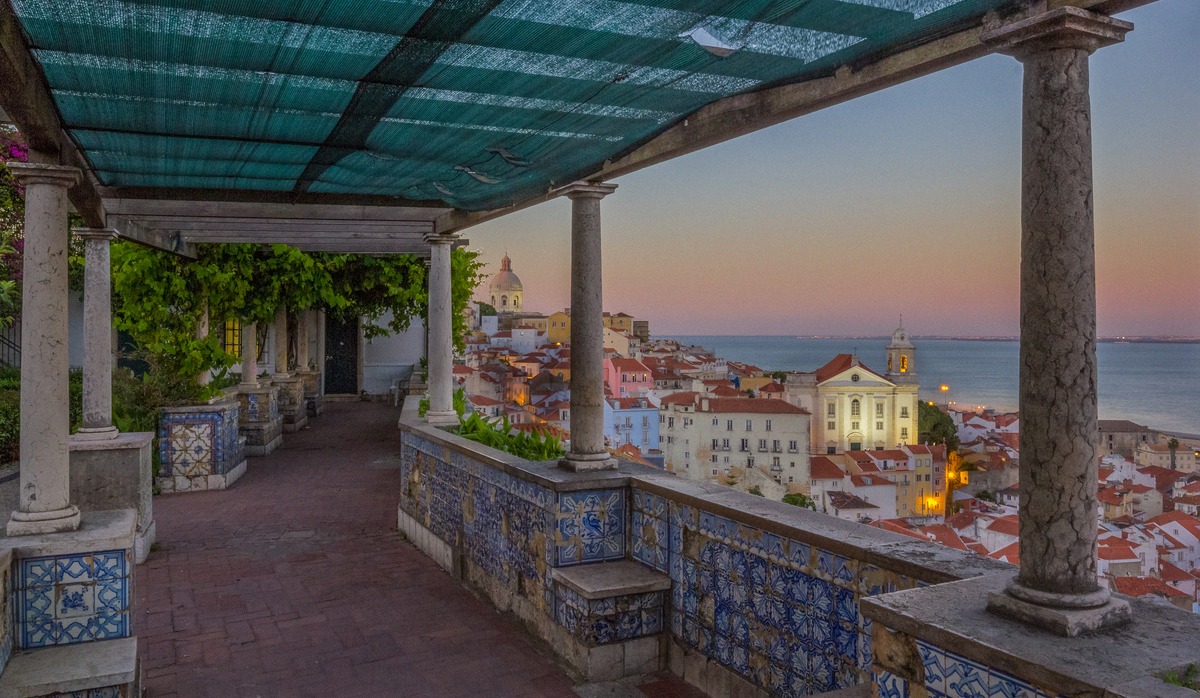
Miradouro de Santa Luzia
The Miradouro de Santa Luzia is Alfama's famous viewpoint terrace with a pergola, azulejos and a postcard view over the red rooftops to the Tagus. Free to visit, on the Tram 28 route.
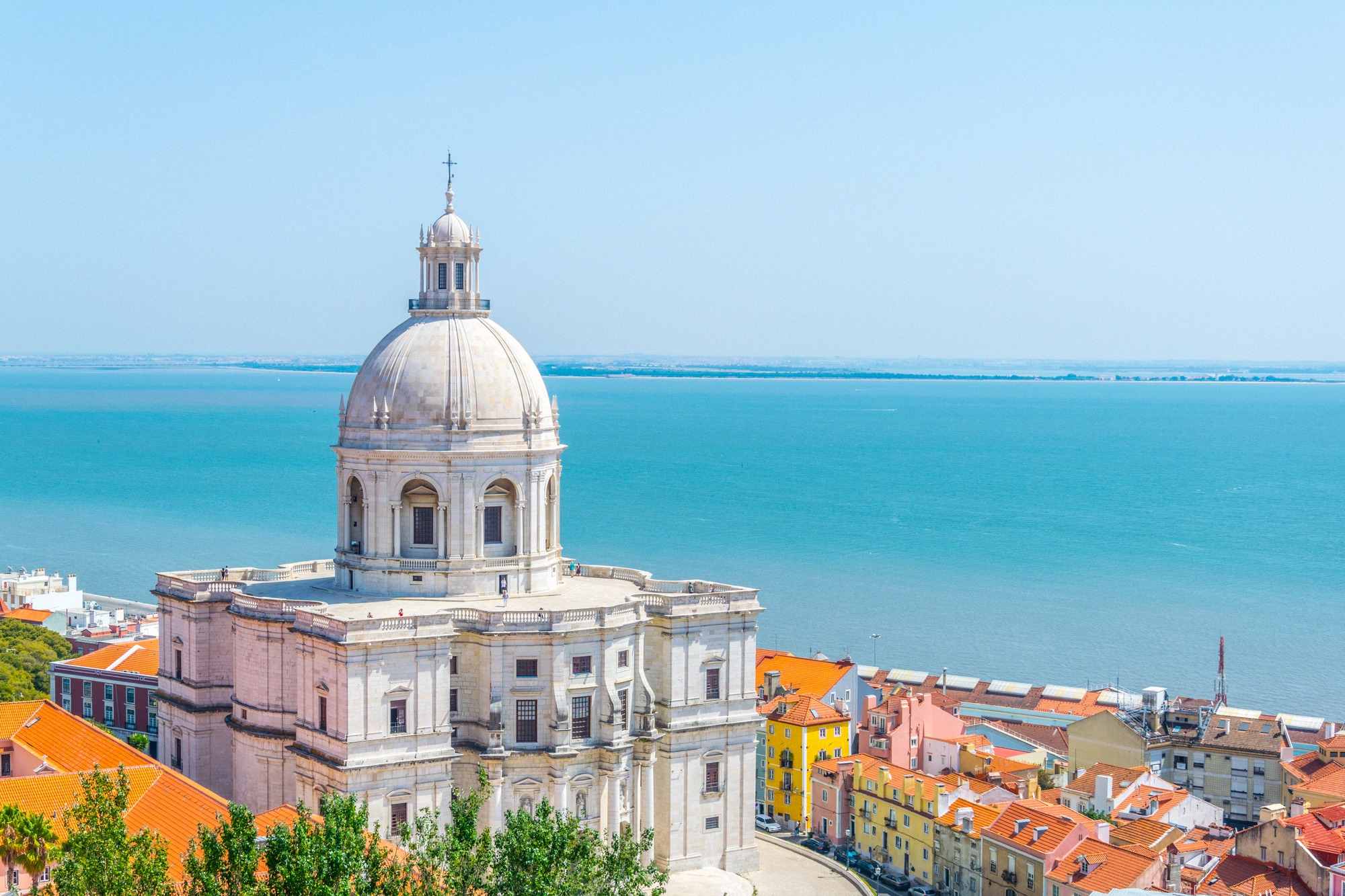
Panteão Nacional
Baroque domed church in Alfama and resting place of great Portuguese figures, from Amália Rodrigues to Eusébio. With a rooftop terrace over the rooftops and the Tagus.
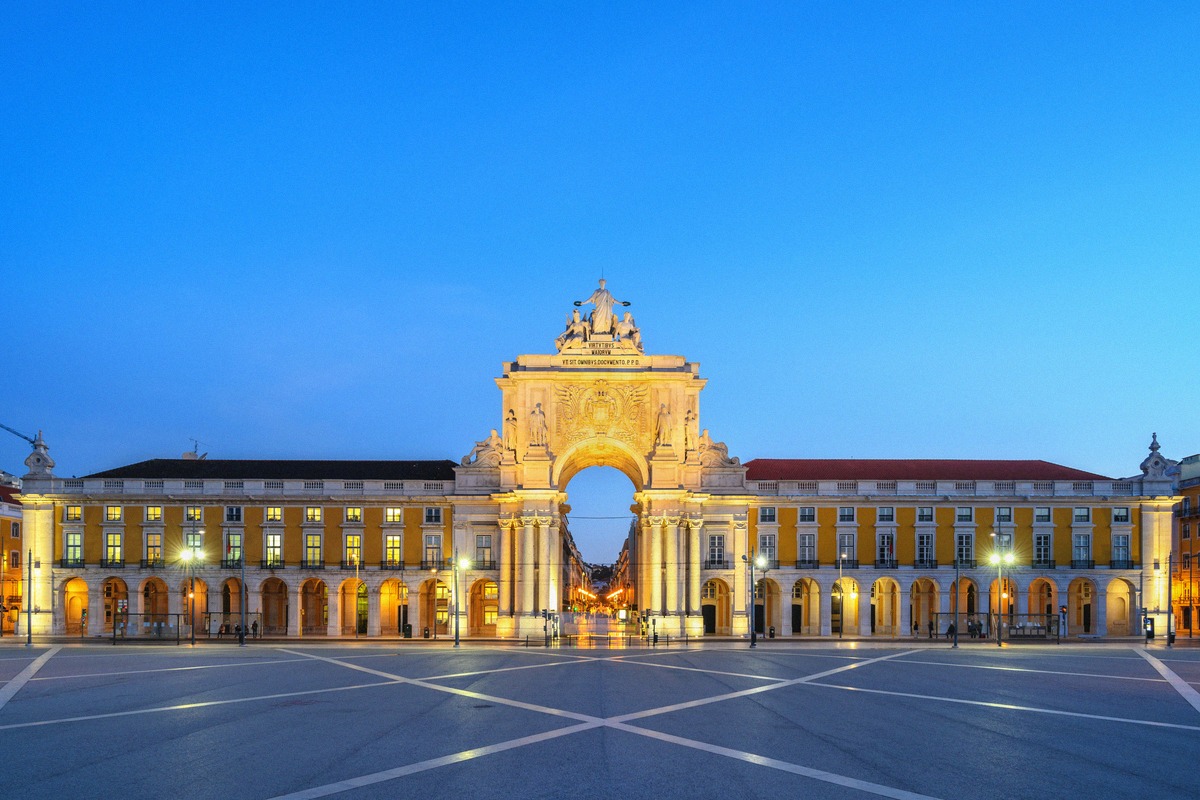
Rua Augusta Arch
The monumental triumphal arch links Praça do Comércio with Rua Augusta. A viewing terrace up top looks over the Baixa and the Tagus; the archway below is free to walk through.
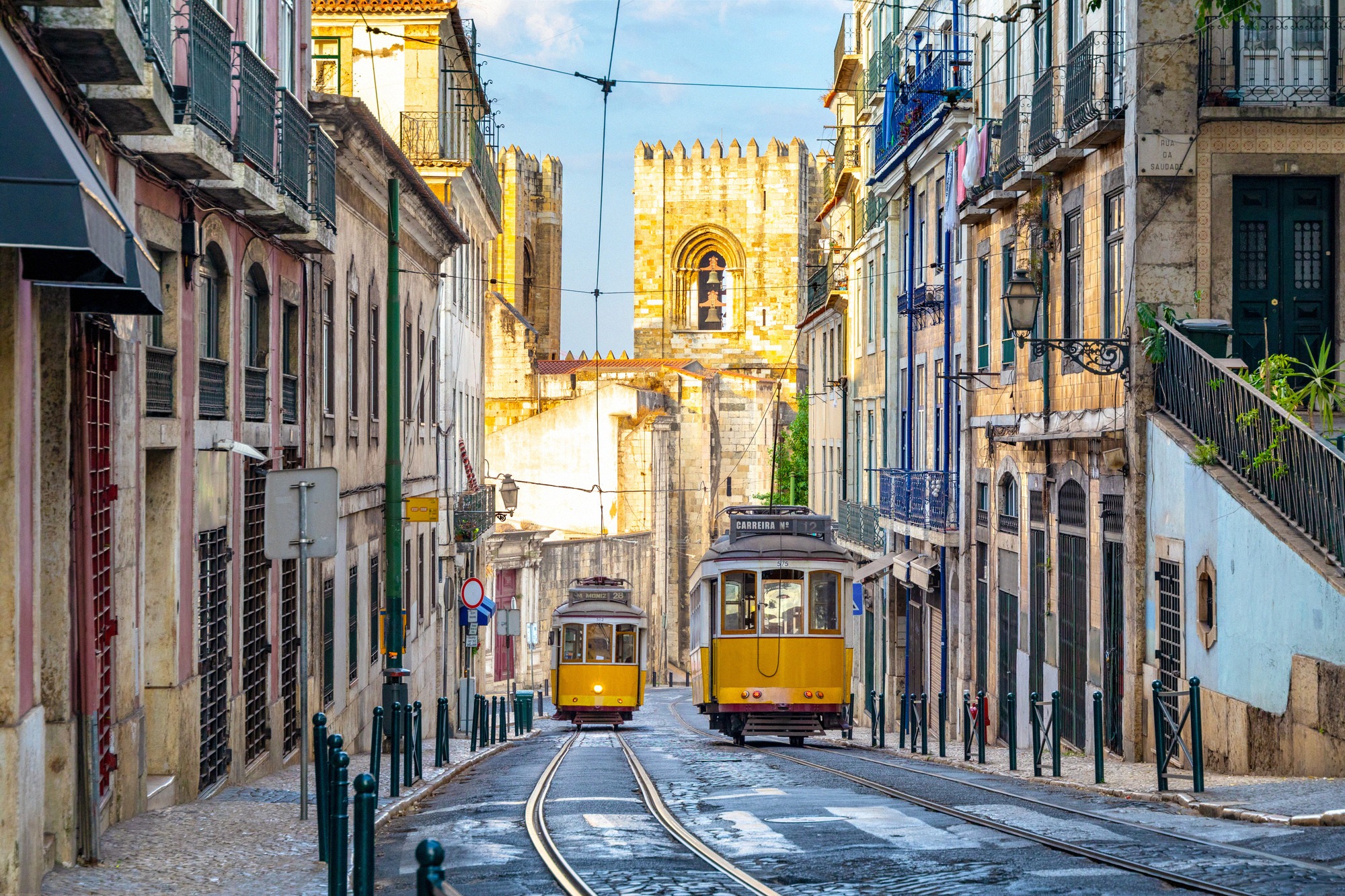
Tram 28
The yellow Carris Line 28E climbs through Graça, Alfama and Estrela, a sightseeing ride at public transport prices, from Martim Moniz to Campo de Ourique.
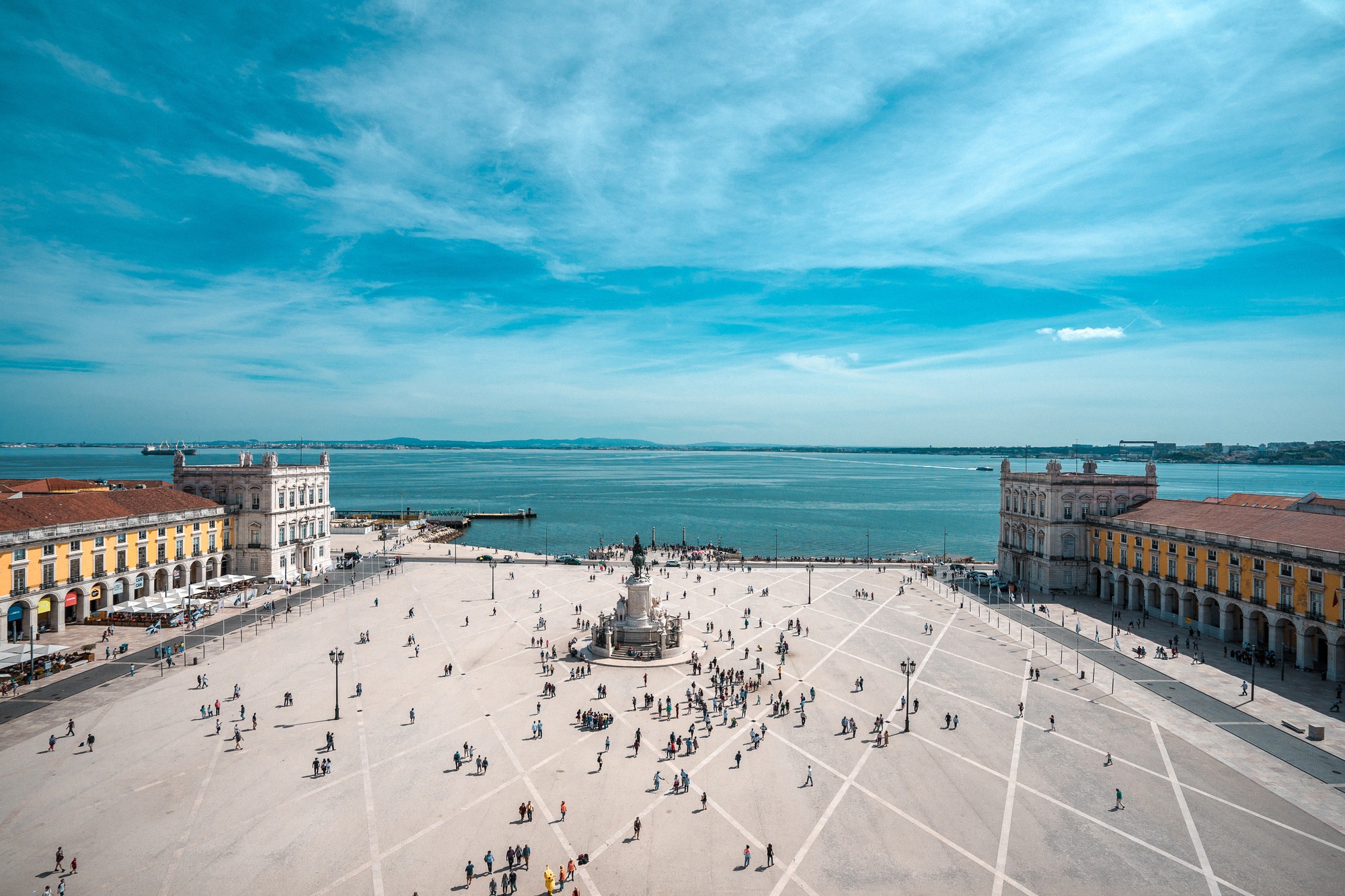
Praça do Comércio
Lisbon's grand main square, open to the Tagus, with its triumphal arch and equestrian statue. The royal palace stood here until the 1755 earthquake, hence its old name, Terreiro do Paço.