Lisbon Cathedral (Sé)
Romanesque fortress-cathedral from 1147
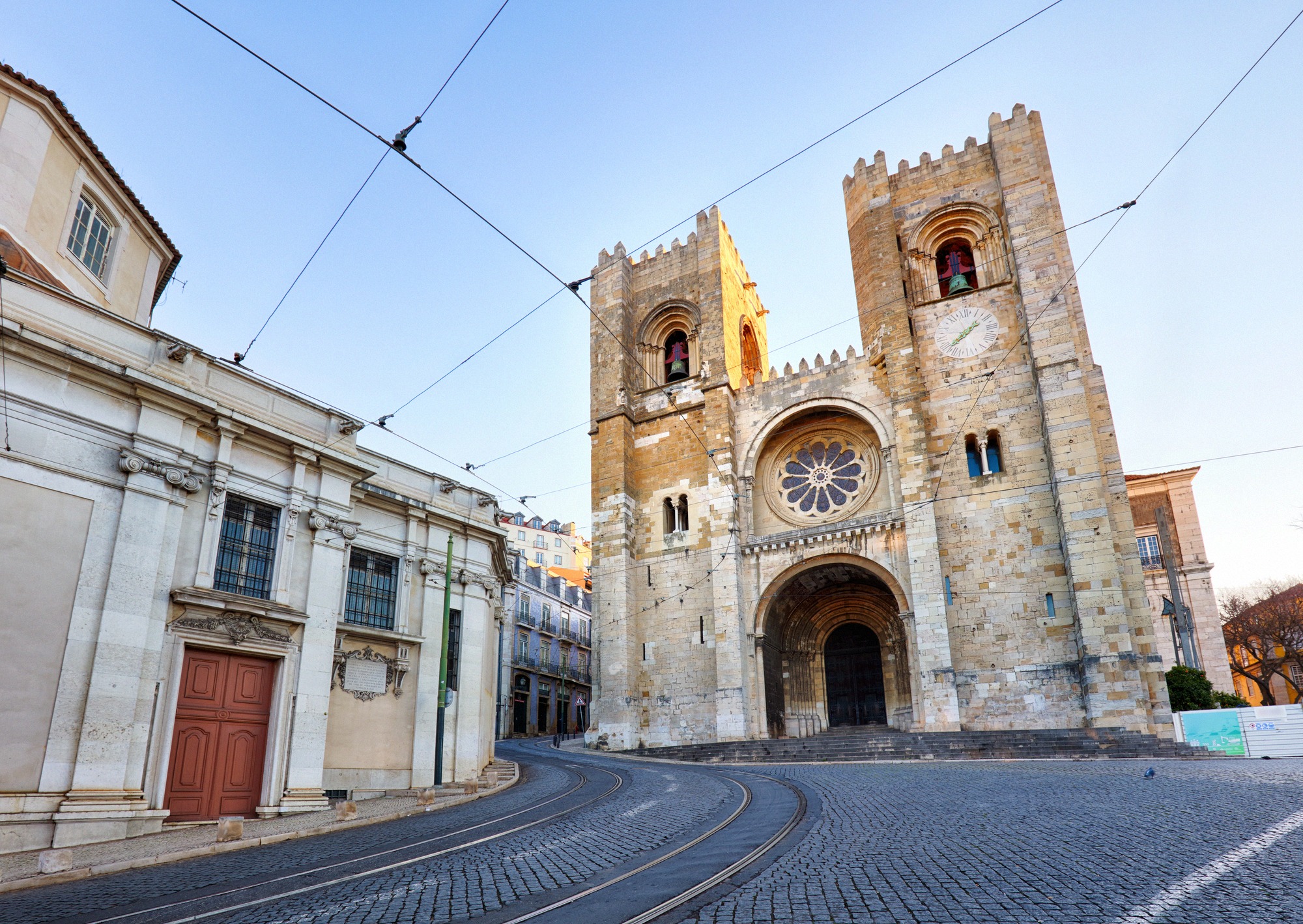
Lisbon's oldest church, built in 1147, a fortress-like Romanesque building with twin towers, a Gothic ambulatory and a treasury, with the yellow Tram 28 rumbling past.
Contents
The city's oldest church
Lisbon Cathedral, known locally as the Sé, is the city's cathedral and its oldest church. Construction began in 1147 under King Afonso Henriques, immediately after the Christian conquest of Lisbon. With its massive walls and twin bell towers, it looks more like a fortress than a place of worship, no accident in what was then a frontier city. Over the centuries it survived several earthquakes, including the great one of 1755, which destroyed the rose window on the west front, among other damage. It stands at the lower edge of Alfama, where the old quarter runs down towards the Tagus, and is one of Lisbon's most photographed sights, largely because the yellow Tram 28 rumbles right past its facade.
Romanesque, Gothic, and a royal pantheon
The original Romanesque building is the work of Mestre Roberto and follows a Latin-cross plan with three naves, related to the old cathedral of Coimbra. The rose window above the portal depicts Christ surrounded by the twelve apostles; it was destroyed in the 1755 earthquake and rebuilt from original fragments in the 1930s.
The most striking part is the Gothic ambulatory, commissioned by King Afonso IV in the 14th century: rib vaulting and nine radiating chapels, the only Gothic ambulatory in Portugal. The main chapel served as a royal pantheon. This area, along with the upper choir and treasury, forms part of the paid route.
Cloister and excavations
Behind the cathedral lies a Gothic cloister, and beneath it archaeologists have, since the 1990s, uncovered a remarkable cross-section of the city's history: from Roman Olisipo through Islamic-era structures, including remains of a 12th-century Almoravid mosque, down to the medieval cloister itself, reaching around 4.5 metres deep along the south wall.
Worth knowing for trip planning: this part is currently closed to visitors. Years-long restoration and museum work on the Roman and Islamic finds mean the cloister remains shut, with no firm reopening date. The current ticket does not include it.
Tickets & admission
The main nave of the church is free to enter, if you just want a quick look inside, it costs nothing. The actual paid route is covered by a single combined ticket, which includes the upper choir, treasury (Tesouro) and the side aisles with the ambulatory. There are no separate tickets for individual parts.
- Adults €7, or €5 with the Lisboa Card
- Children aged 7-12 €5, under 7 free
- An optional digital audioguide (AI-powered, 6 languages) for an extra €3
There is no official online booking or skip-the-line service for the cathedral, tickets are sold on site at the entrance. Groups should register in advance by email at [email protected]. Long queues here are the exception rather than the rule.
Visiting & practicalities
Allow 30 to 60 minutes, a little more if you take in the paid route. The quietest time is mid-morning shortly after opening (10:00-11:00, from 9:30 in summer) and on weekdays; weekends get busier. The Sé opens Monday to Saturday, 10:00-18:00 in winter (Nov-Mar) and 9:30-19:00 in summer (Apr-Oct). It is closed on Sundays and religious holidays, and the last entry for the paid route is 45 minutes before closing.
The cathedral sits at the foot of Alfama. The nearest metro station is Terreiro do Paço (Blue Line), a short uphill walk away; the historic Tram lines 28E and 12E stop directly outside the church. The visit pairs well with a wander through Mouraria and Alfama: up to São Jorge Castle and the Miradouro de Santa Luzia viewpoint, down to Praça do Comércio on the Tagus. For tips on tackling the steep lanes, see the guide to getting around Lisbon.
Frequently asked questions
Does the cathedral charge admission?+
Why does the Sé look like a castle?+
Can you visit the cloister?+
Can I book tickets online?+
Nearby
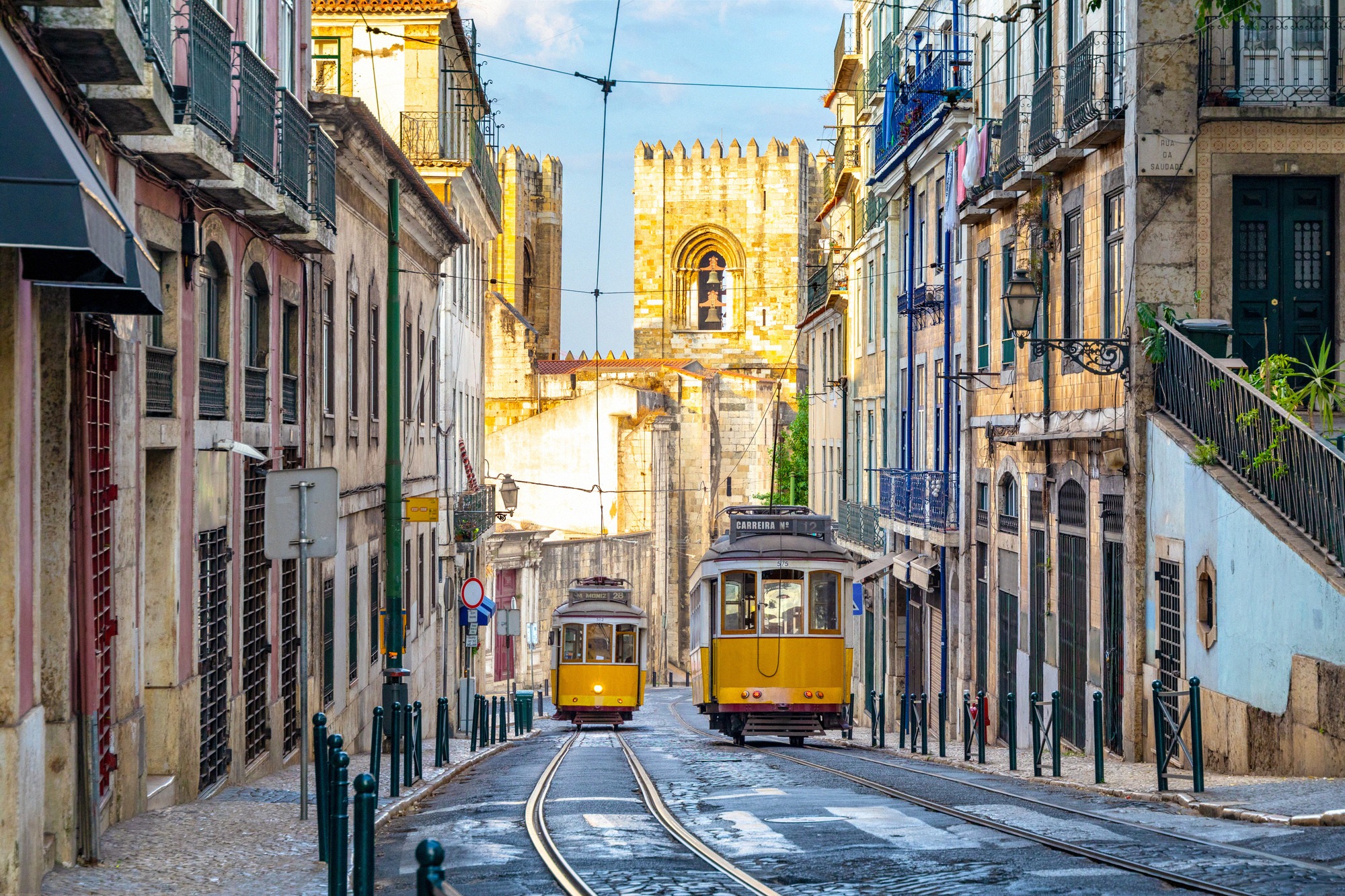
Tram 28
The yellow Carris Line 28E climbs through Graça, Alfama and Estrela, a sightseeing ride at public transport prices, from Martim Moniz to Campo de Ourique.
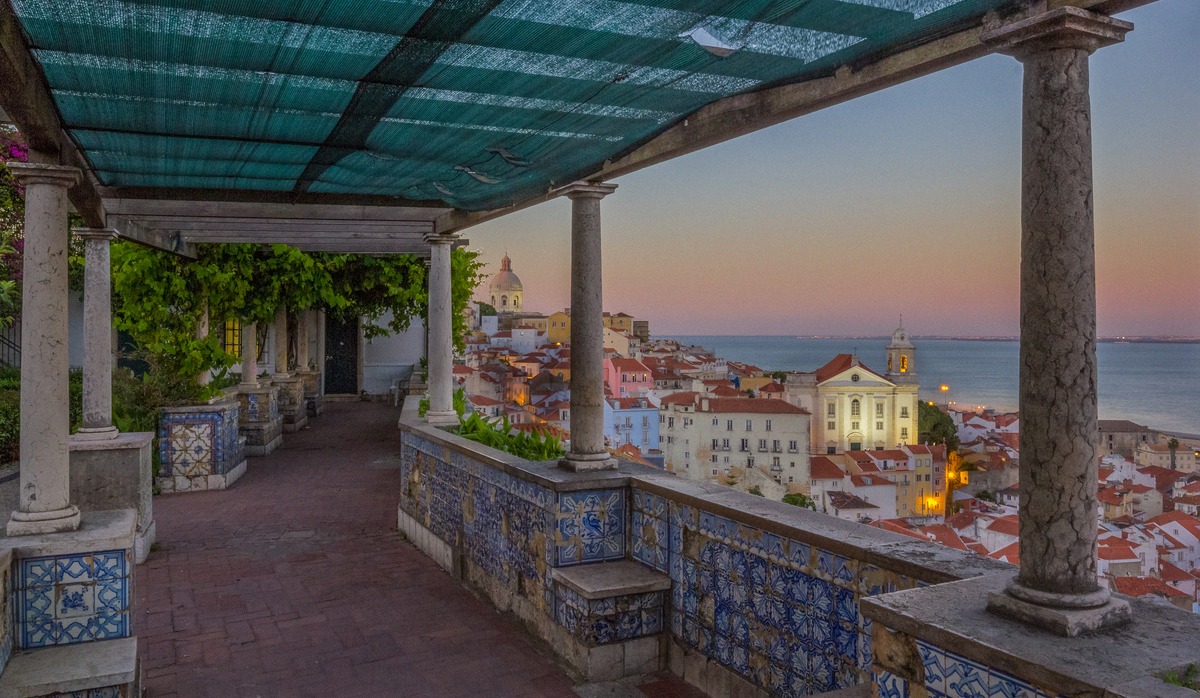
Miradouro de Santa Luzia
The Miradouro de Santa Luzia is Alfama's famous viewpoint terrace with a pergola, azulejos and a postcard view over the red rooftops to the Tagus. Free to visit, on the Tram 28 route.
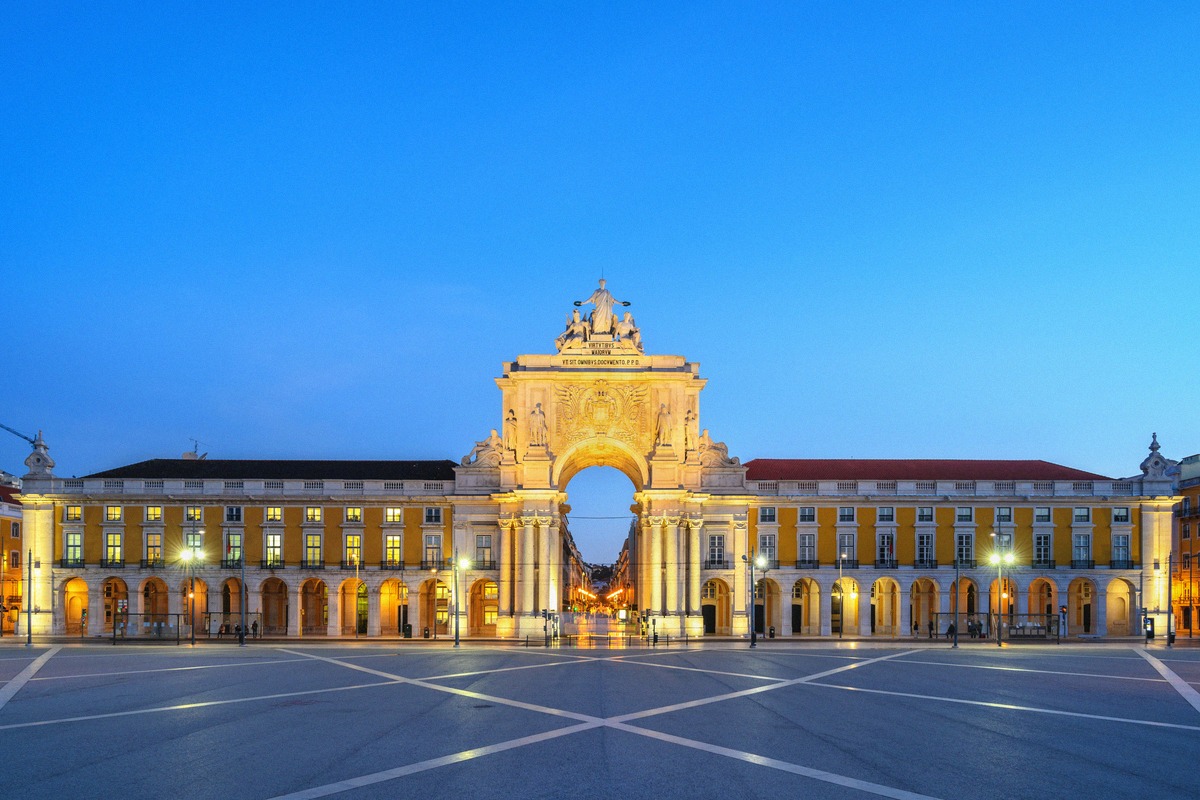
Rua Augusta Arch
The monumental triumphal arch links Praça do Comércio with Rua Augusta. A viewing terrace up top looks over the Baixa and the Tagus; the archway below is free to walk through.
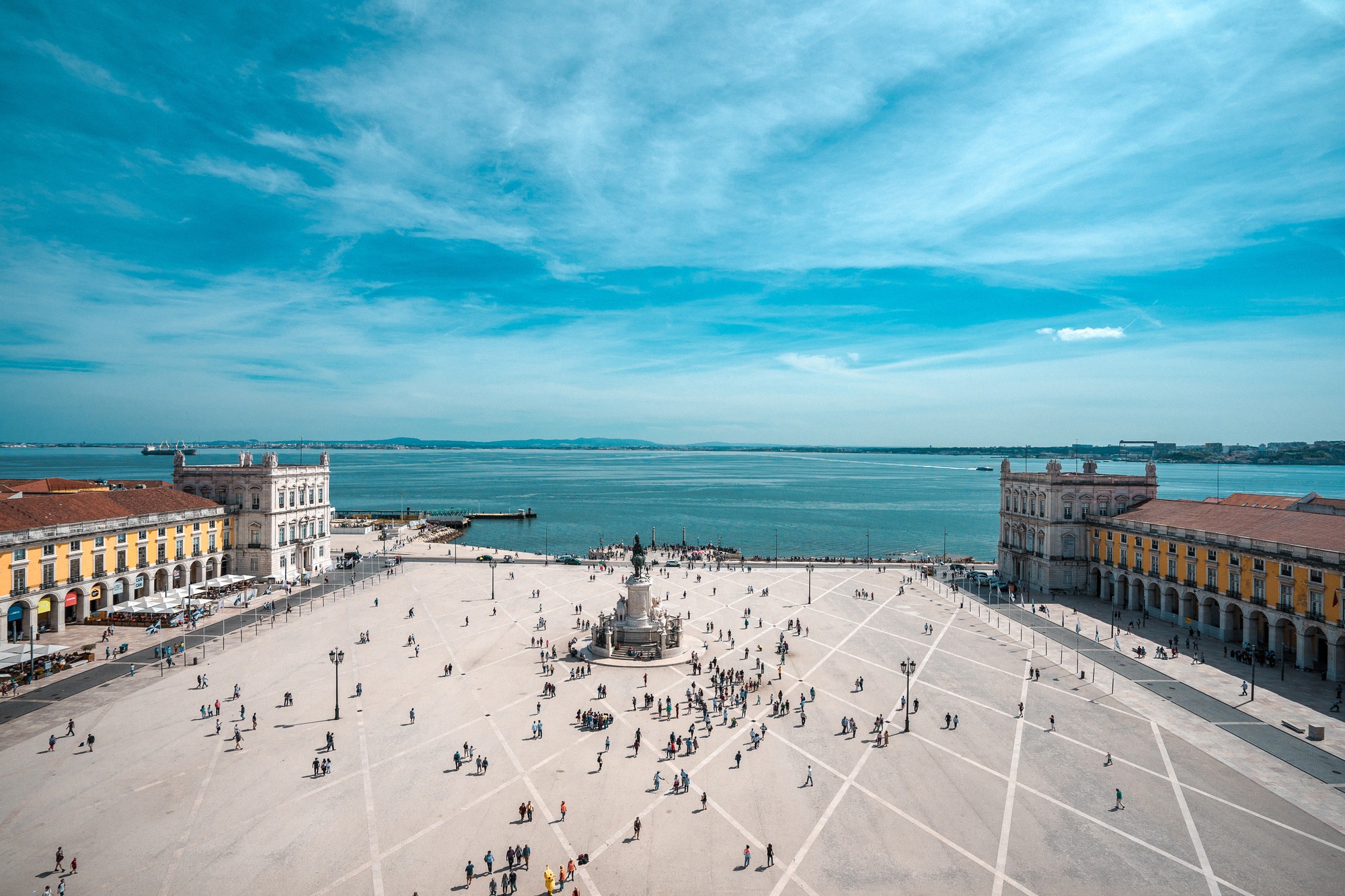
Praça do Comércio
Lisbon's grand main square, open to the Tagus, with its triumphal arch and equestrian statue. The royal palace stood here until the 1755 earthquake, hence its old name, Terreiro do Paço.
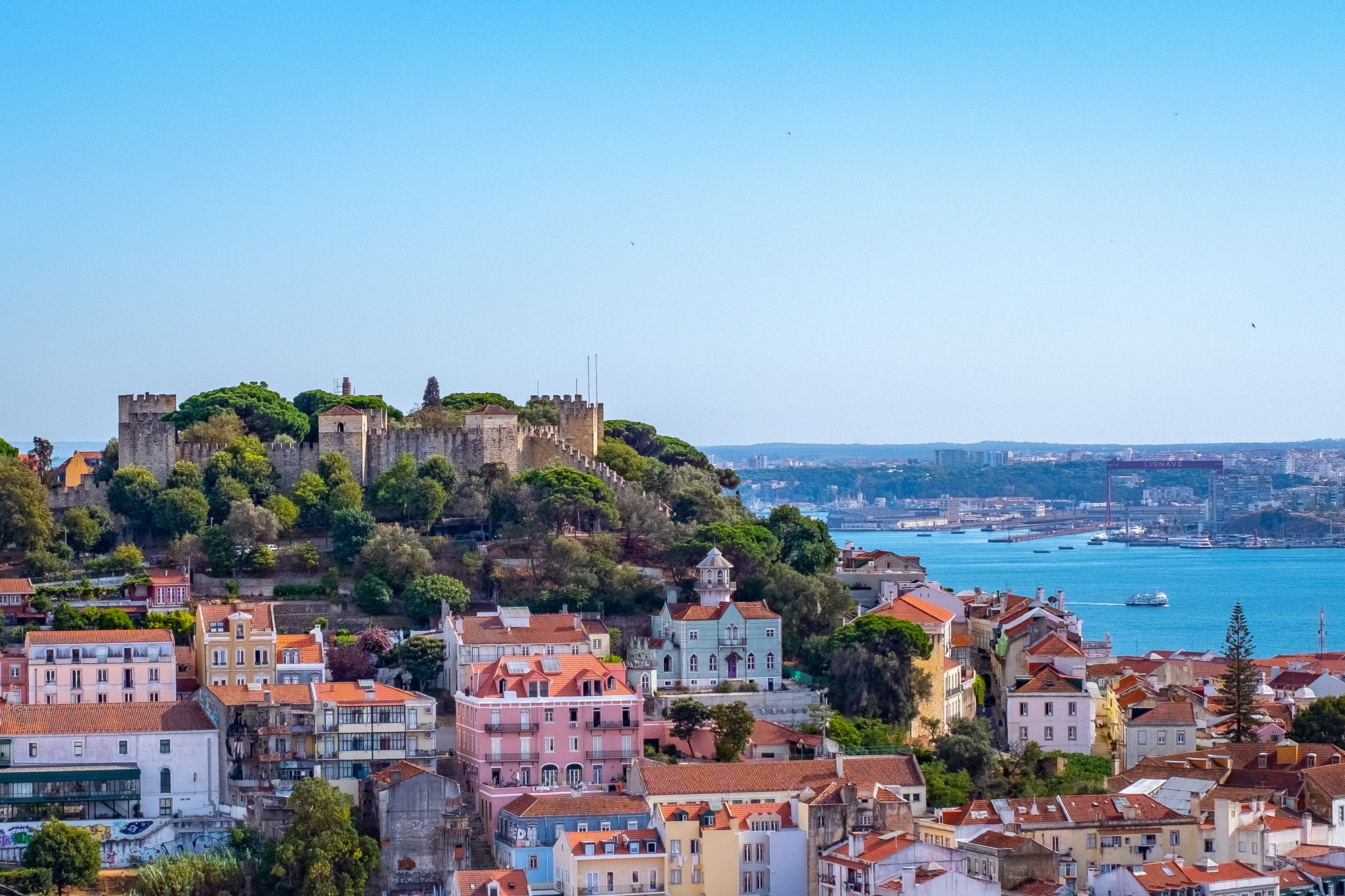
São Jorge Castle
The Moorish fortress crowns Lisbon's highest hill, with walkable ramparts, peacocks in the courtyard and the best all-round view over the old town and the Tagus.
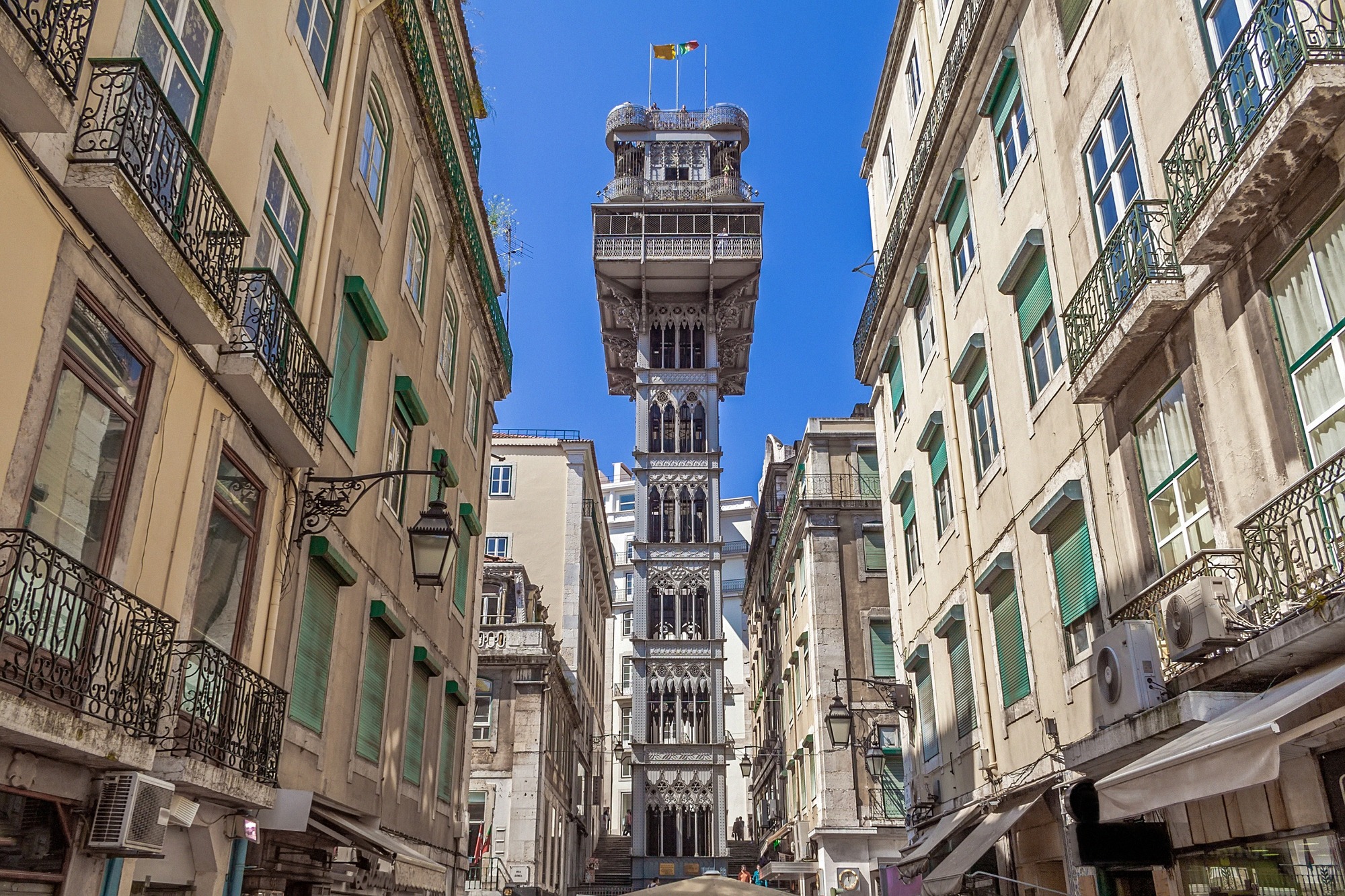
Santa Justa Lift
The neo-Gothic cast-iron lift from 1902 links the Baixa with the higher Largo do Carmo, a landmark with a viewing platform over the old town.