Santa Justa Lift
Neo-Gothic cast-iron lift from 1902 with a viewing platform
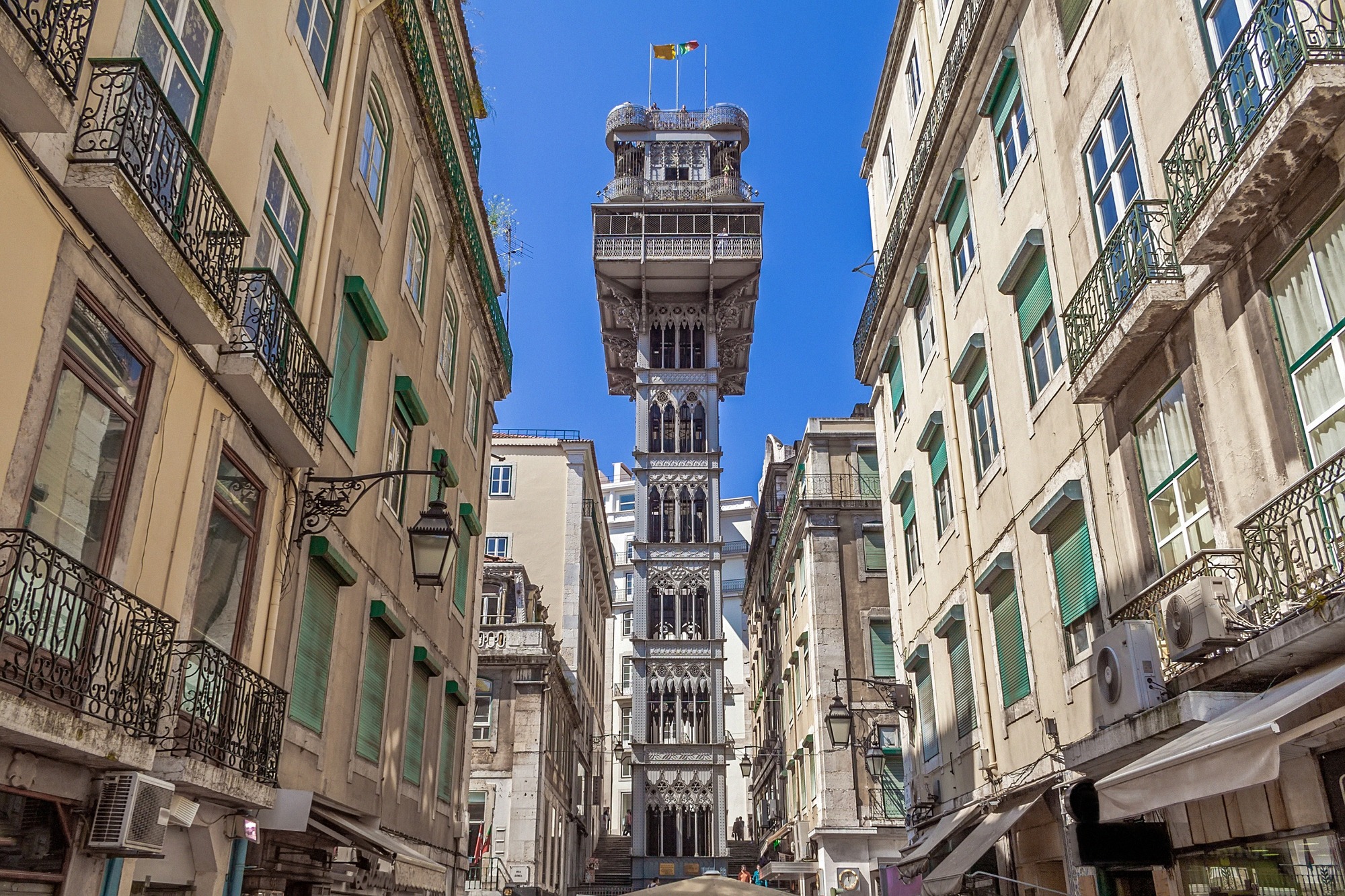
The neo-Gothic cast-iron lift from 1902 links the Baixa with the higher Largo do Carmo, a landmark with a viewing platform over the old town.
Contents
A lift like a mini Eiffel Tower
The Santa Justa Lift (Elevador de Santa Justa) is Lisbon's only vertical street lift and an unusual landmark right in the middle of the Baixa. Inaugurated on 10 July 1902 to designs by engineer Raoul Mesnier de Ponsard, the neo-Gothic cast-iron structure bridges the steep change in level between the lower Baixa and the higher Largo do Carmo. The delicate ironwork, with its tracery ornamentation, isn't a coincidence, it echoes structures from Gustave Eiffel's circle. The lift was declared a national monument in 2002.
It's still operated today by Carris, Lisbon's public transport company, which runs it internally as line 54E, so it's officially part of the public transport network, not just a tourist attraction.
What to expect
Two wood-panelled cabins travel up through the 45-metre iron tower. At the top, a walkway connects the lift to Largo do Carmo and the ruins of the Carmo Convent. Already from this upper level, a wide view opens out over the Baixa.
A narrow spiral staircase leads the rest of the way up to the top viewing platform, giving you a 360-degree view over the Baixa's chequerboard Pombaline street grid, São Jorge Castle and the Tagus. This top platform was closed for a while and reopened on 23 June 2025, though capped at 20 people at a time and requiring a separate ticket.
Tickets and prices: worth getting straight
There are two separate things you can pay for at Santa Justa, which regularly causes confusion:
- The lift ride from bottom to top. A single ticket bought on board costs €6.10. With Zapping credit on a rechargeable Navegante card, you pay only the standard public transport fare of €1.70. The ride is free with Carris/Metro's 24-hour ticket and the Lisboa Card.
- The top viewing platform (Miradouro). This costs an extra €5 and is payable by card only, no cash accepted. Important: the Lisboa Card does not cover the platform, it only covers the lift ride as a public transport service. The platform ticket is separate.
There's no official online sale or reservation system for the lift; you pay on site, either on board or at the platform.
The insider tip: reach the top for free
The most useful tip for this landmark: the upper level and walkway to Largo do Carmo are free and queue-free on foot from above, simply walk up via Chiado to Largo do Carmo. Only the lift ride from the bottom and the spiral staircase to the top platform cost money or time.
So if you don't specifically want to ride the historic lift or climb the final steps to the top platform, you can skip the often very long queue at the lower station entirely, and still get almost the same view for free from Largo do Carmo and the adjoining Carmo terrace.
Visiting: the practicalities
Allow 20 to 40 minutes. The most pleasant time is early morning before 9:00: during the day, especially around midday, visitors often queue for a long time at the lower station (based on traveller reports, there are no official waiting-time figures). The lift runs on seasonal hours: summer (May-Oct) daily 7:00-23:00, winter (Nov-Apr) daily 7:00-22:00. The top platform is open daily 9:00-21:00.
Carris makes no official statement on accessibility; the narrow spiral staircase to the top platform makes wheelchair access there unlikely. The lift sits right in the Baixa, with the nearest metro at Baixa-Chiado. It combines well with the neighbouring Carmo Convent, reached directly via the upper walkway, a stroll through Baixa-Chiado, and the nearby Rua Augusta Arch. Short on time? Admire the lift from outside and enjoy the free view from Largo do Carmo instead, the ride itself is a nice but skippable extra.
Frequently asked questions
Do you have to queue for the Santa Justa Lift?+
How much does the Santa Justa Lift cost?+
Is the top viewing platform worth it?+
When is it least crowded?+
Nearby
Carmo Convent
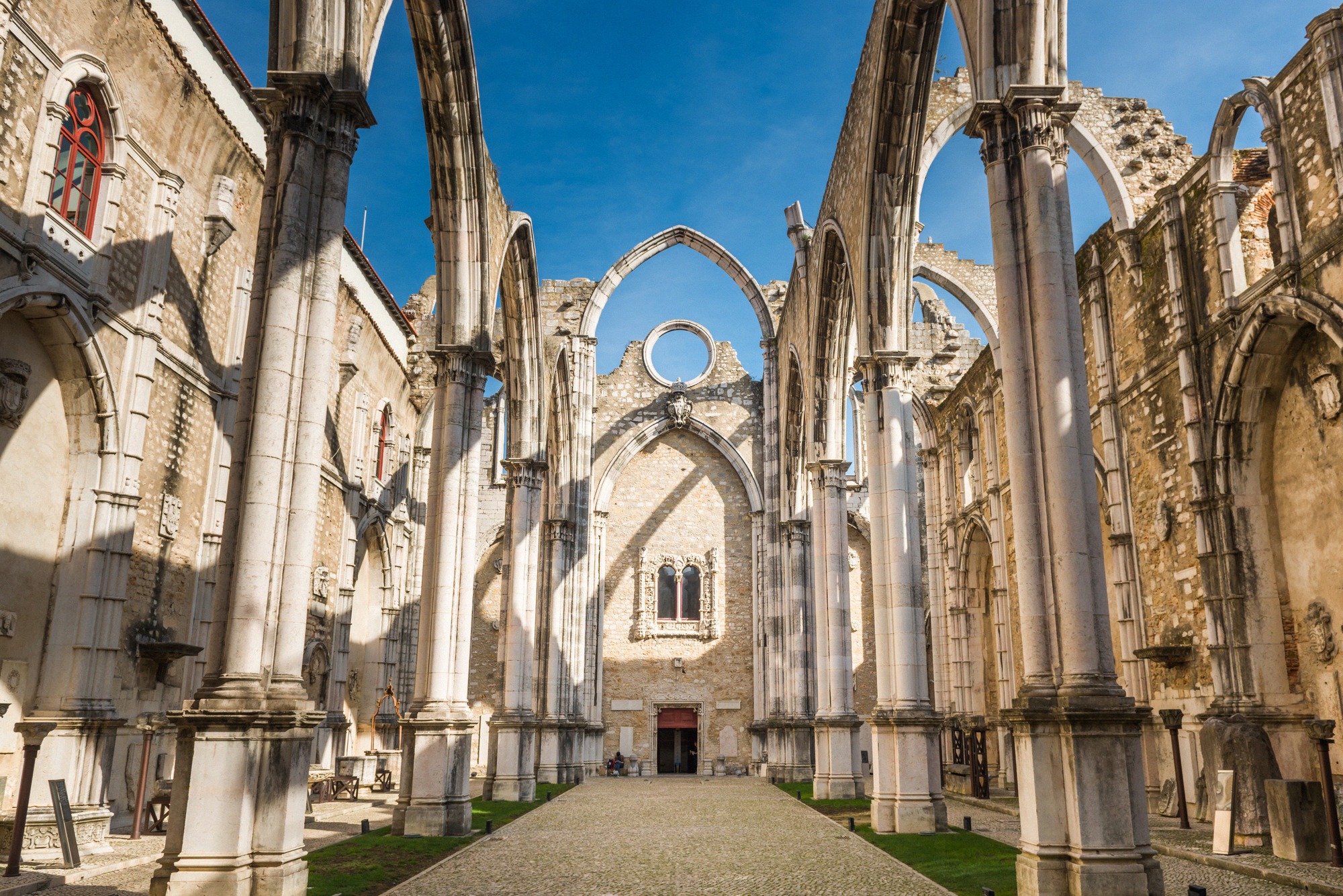
This roofless Gothic ruin above the Baixa recalls the 1755 earthquake, its open arches against the sky are now a memorial and archaeology museum.
Igreja de São Roque
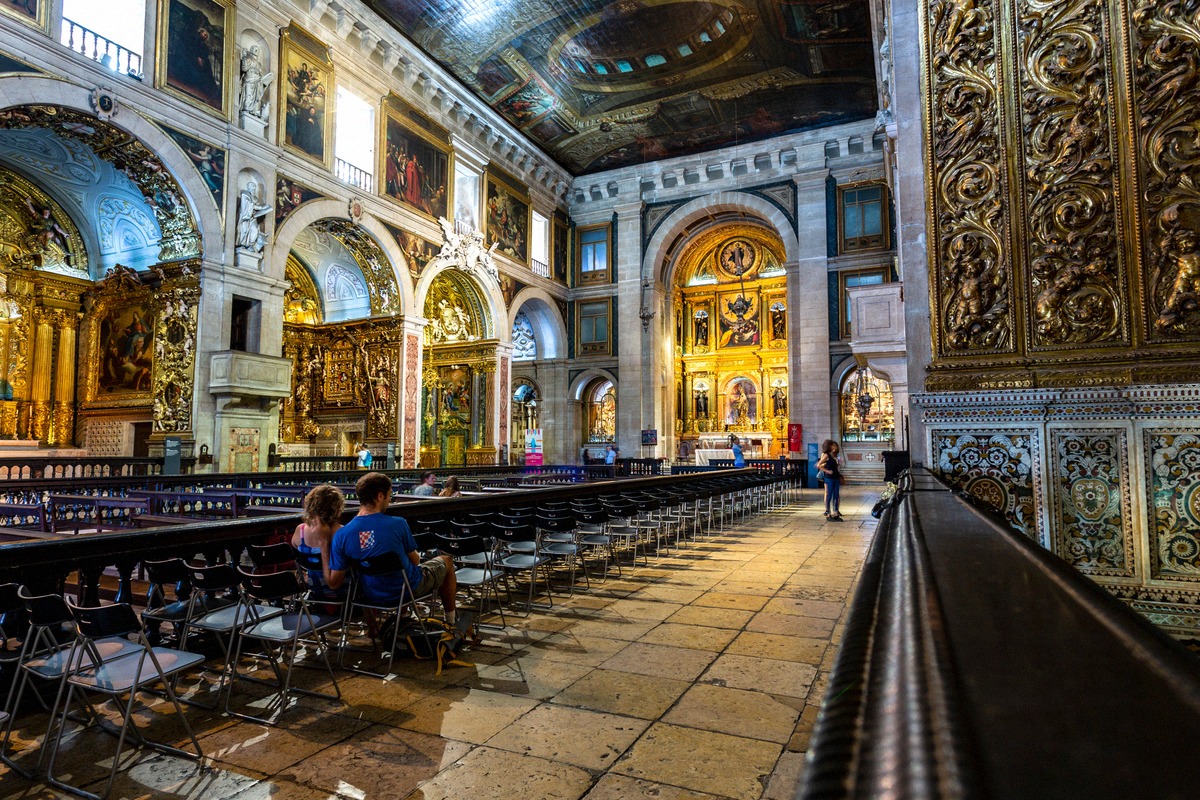
Behind a plain façade, this Jesuit church in Bairro Alto hides one of the world's most lavish Baroque chapels, made in Rome from gold, silver and lapis lazuli.
Rua Augusta Arch
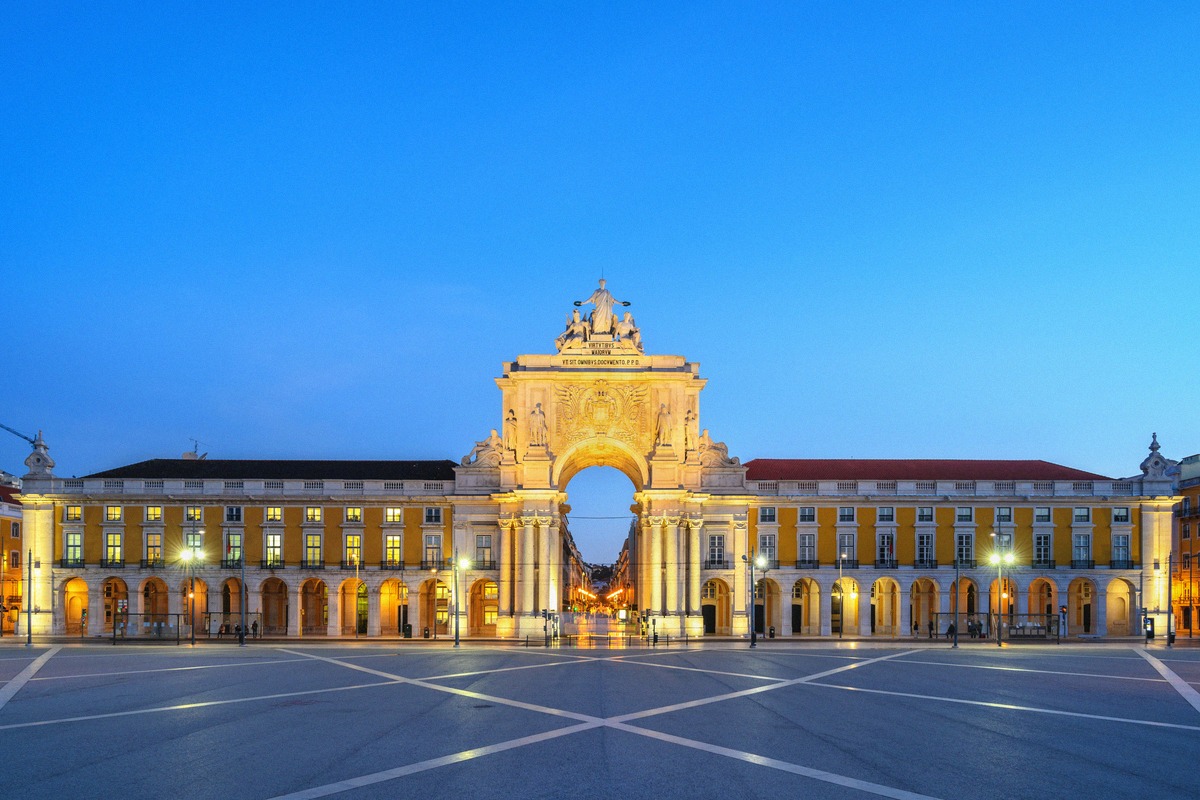
The monumental triumphal arch links Praça do Comércio with Rua Augusta. A viewing terrace up top looks over the Baixa and the Tagus; the archway below is free to walk through.
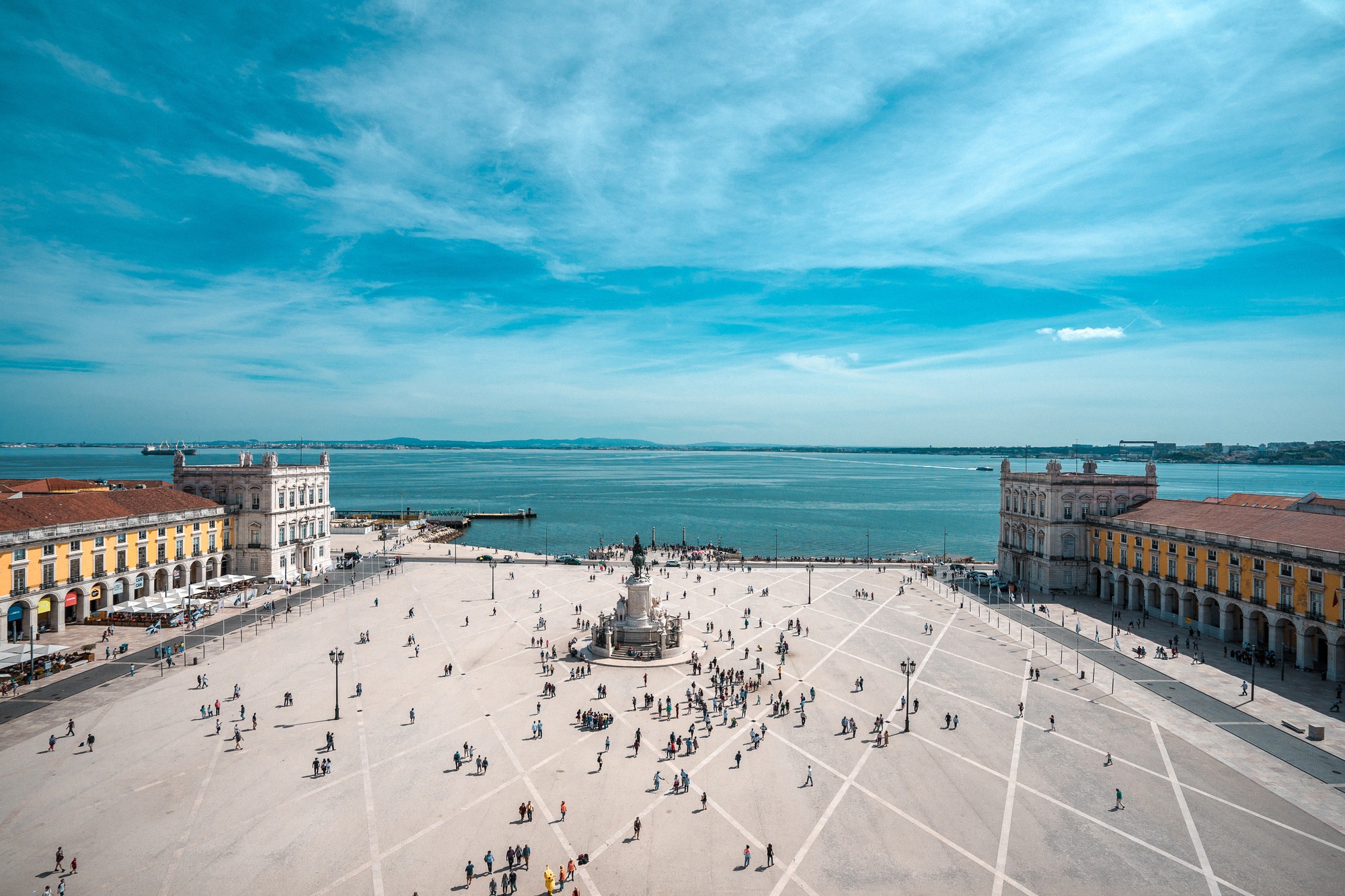
Praça do Comércio
Lisbon's grand main square, open to the Tagus, with its triumphal arch and equestrian statue. The royal palace stood here until the 1755 earthquake, hence its old name, Terreiro do Paço.
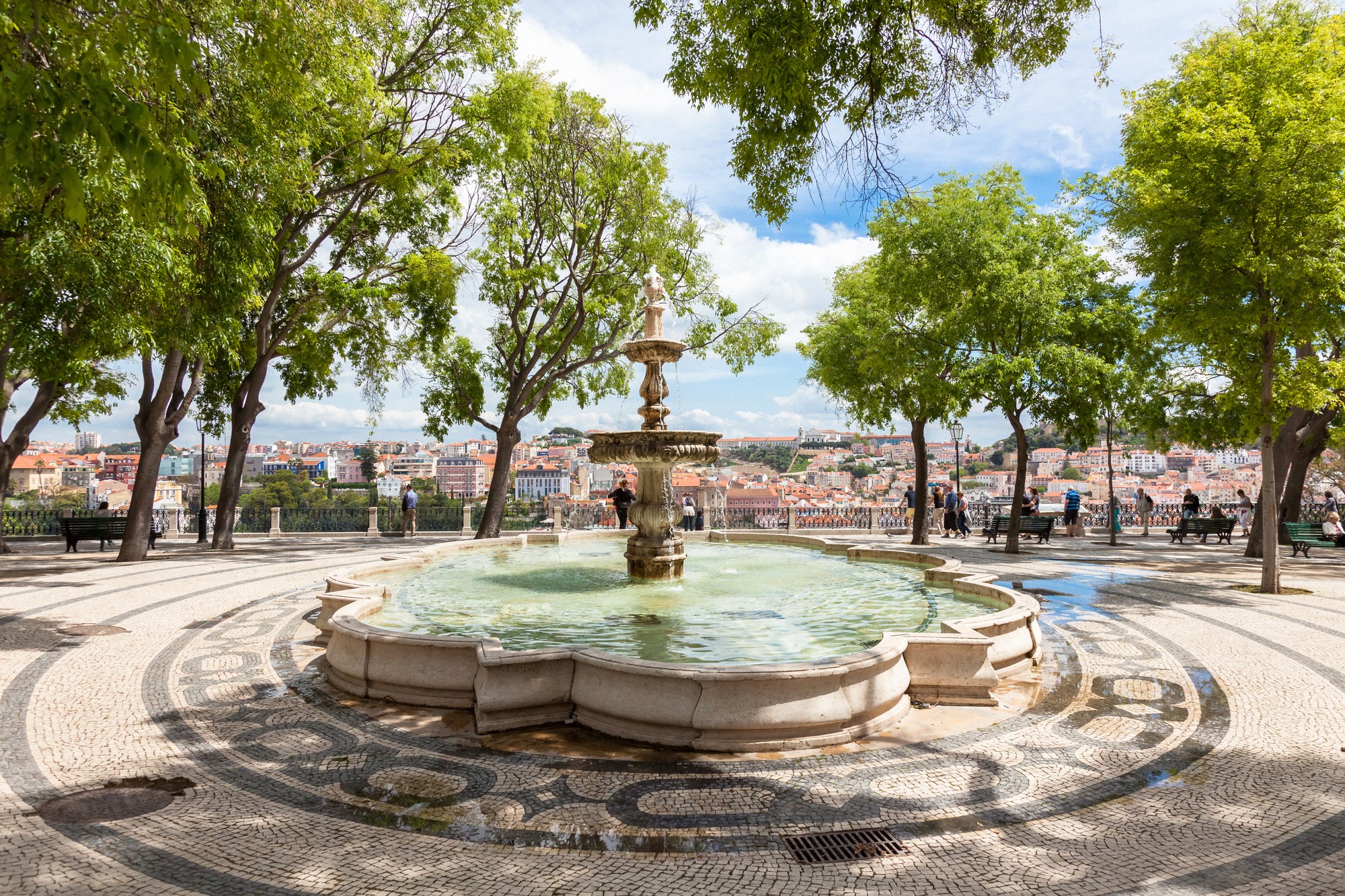
Miradouro de São Pedro de Alcântara
The Miradouro de São Pedro de Alcântara is a two-tier viewpoint garden on the edge of Bairro Alto, with statues, a fountain and open views across the Baixa to São Jorge Castle.
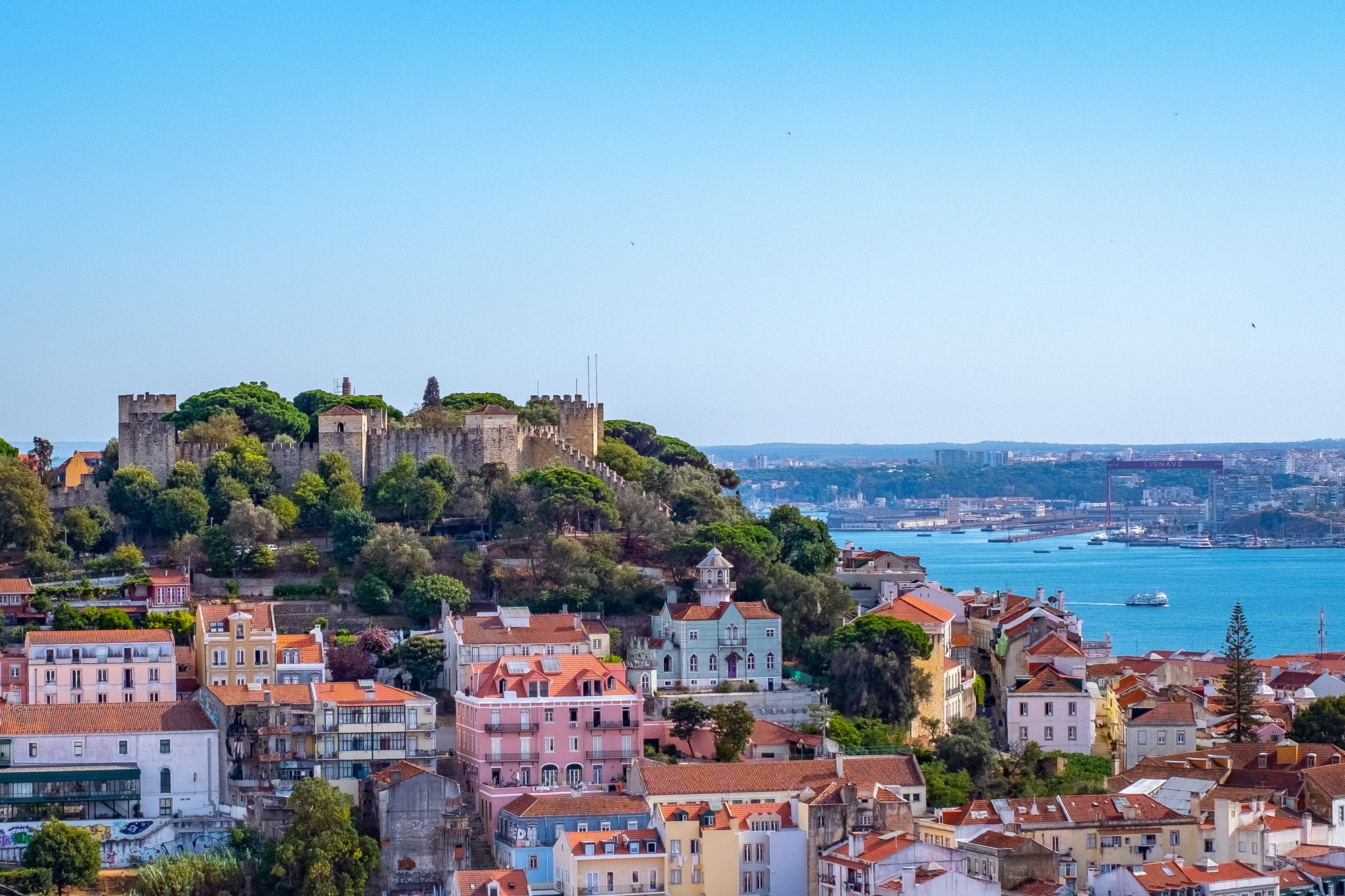
São Jorge Castle
The Moorish fortress crowns Lisbon's highest hill, with walkable ramparts, peacocks in the courtyard and the best all-round view over the old town and the Tagus.