Igreja de São Roque
Jesuit church with a Rome-made gold chapel
Behind a plain façade, this Jesuit church in Bairro Alto hides one of the world's most lavish Baroque chapels, made in Rome from gold, silver and lapis lazuli.
Contents
Plain outside, lavish inside
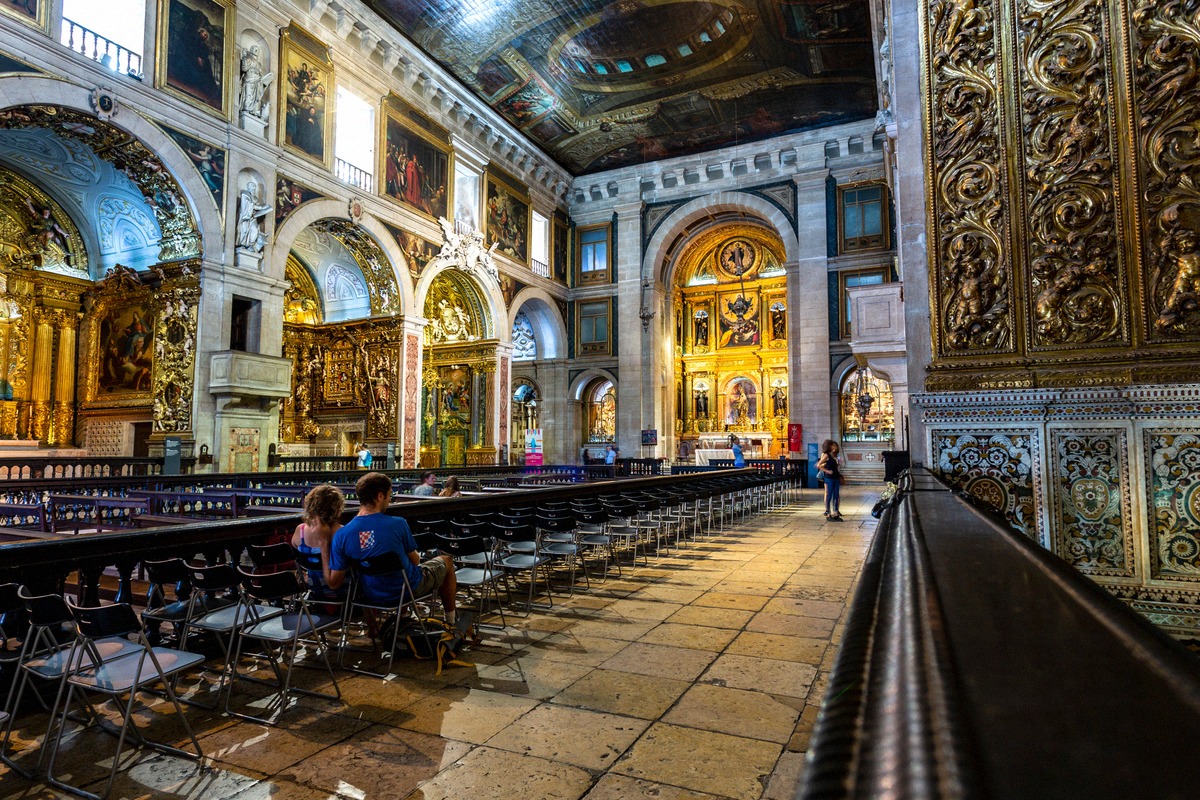
The Igreja de São Roque in Bairro Alto was one of the world's first Jesuit churches. Its plain façade on Largo Trindade Coelho, rebuilt without ornament after the 1755 earthquake, gives no hint of the splendour inside: one of Portugal's richest Baroque interiors, with gilded side chapels, azulejo tilework and a flat painted wooden ceiling, one of the largest of its kind in Lisbon, since it survived the earthquake. The church itself is free to enter; you only pay for the attached museum.
The most expensive chapel of its age
The most famous feature is the Capela de São João Baptista, to the left of the main altar. In the 18th century, King João V had it made in Rome from gold, silver, bronze, ivory, agate, alabaster and lapis lazuli, had it blessed by the Pope, then shipped it to Lisbon in pieces to be reassembled. It was considered one of the most expensive chapels in Europe. The related collection, vestments, liturgical objects and mosaic panels, was classified as national cultural heritage in February 2026 (298 objects); this is purely an administrative honour and has no effect on visiting.
Church and museum
The church and former Jesuit college have been run since 1768 by the Santa Casa da Misericórdia de Lisboa (SCML). The adjoining Museu de São Roque holds the most valuable pieces not on display in the church itself: the Rome-made goldsmith and mosaic work from the São João Baptista chapel, sacred paintings and vestments. The church alone takes 20 to 30 minutes to see; allow 45 to 60 minutes if you add the museum. If you're short on time, you can visit the church for free and skip the museum - the famous chapel is in the church itself.
Visiting & practicalities
It's quietest in the morning. The church opens at 13:00 on Mondays, and from 10:00 on other days - until 19:00 in summer (Apr-Sep) and until 18:00 in winter (Oct-Mar). The museum keeps fixed hours year-round: Tuesday to Sunday 10:00 to 18:00, closed Mondays, last admission 30 minutes before closing. Mass is celebrated Tuesday to Sunday at 12:30, it's quietest just before that.
Museum admission costs €8 (50% discount for over-65s, students and holders of the Lisboa Card). Children and teenagers up to 12 go free, as do Portuguese residents on Sundays and public holidays until 14:00. A combined ticket for the museum plus Casa Ásia costs €12, as does a guided tour. Tickets are available on site or online through the official Loja da Cultura; there's no dedicated skip-the-line option, but queues are rarely an issue.
The church sits centrally in Bairro Alto: the nearest metro is Baixa-Chiado (green line), about a four-minute walk uphill from there. Alternatively, the Elevador da Glória funicular from Restauradores takes you up, and the Tram 28 stops nearby. It's easy to combine your visit with the nearby Miradouro de São Pedro de Alcântara viewpoint, the Carmo Convent ruins and the Santa Justa Lift down into Baixa-Chiado.
Frequently asked questions
Why is the Igreja de São Roque worth visiting?+
Does the church charge admission?+
When is the museum open?+
Will a Mass interrupt my visit?+
Nearby
Miradouro de São Pedro de Alcântara
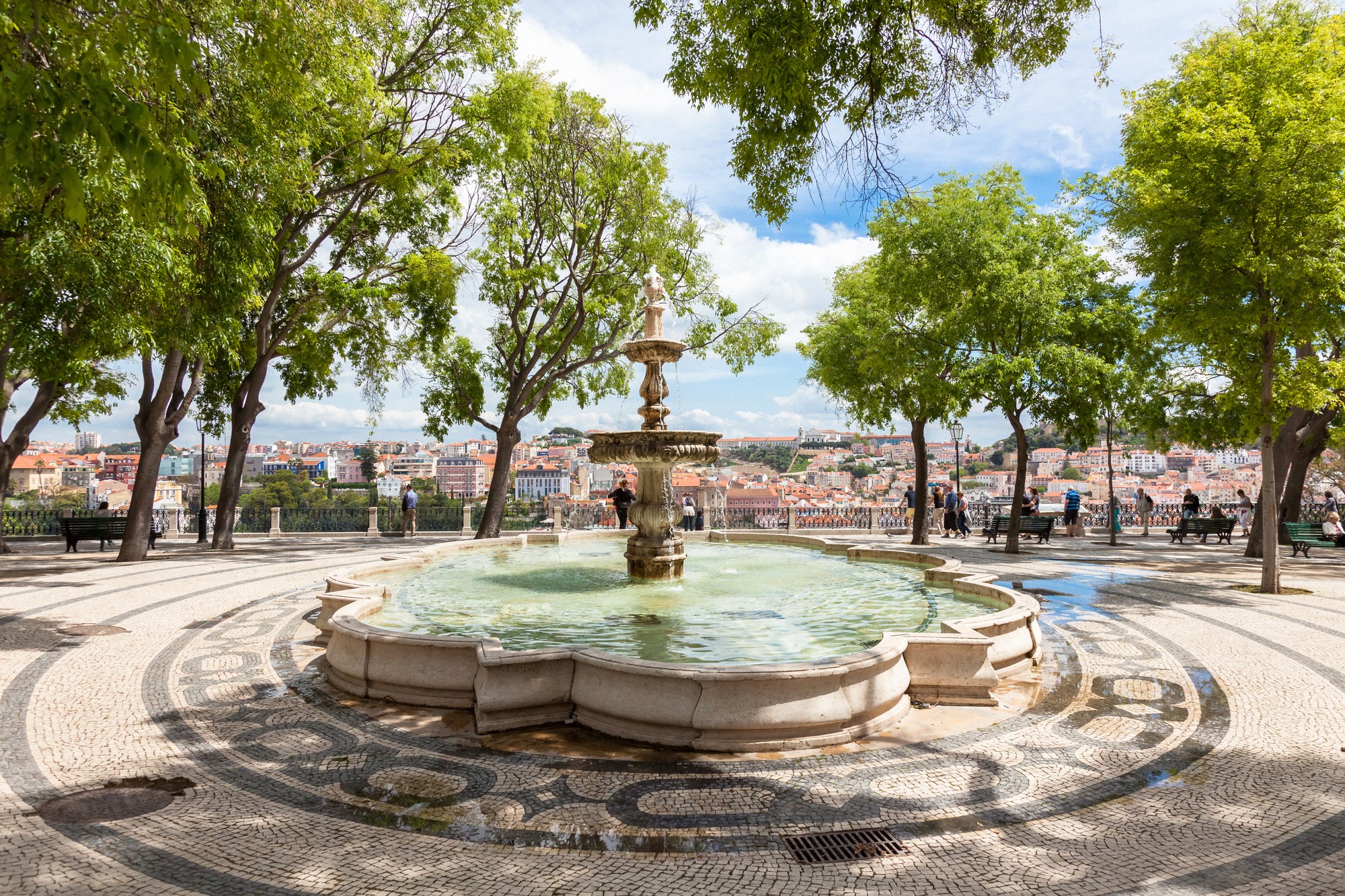
The Miradouro de São Pedro de Alcântara is a two-tier viewpoint garden on the edge of Bairro Alto, with statues, a fountain and open views across the Baixa to São Jorge Castle.
Carmo Convent
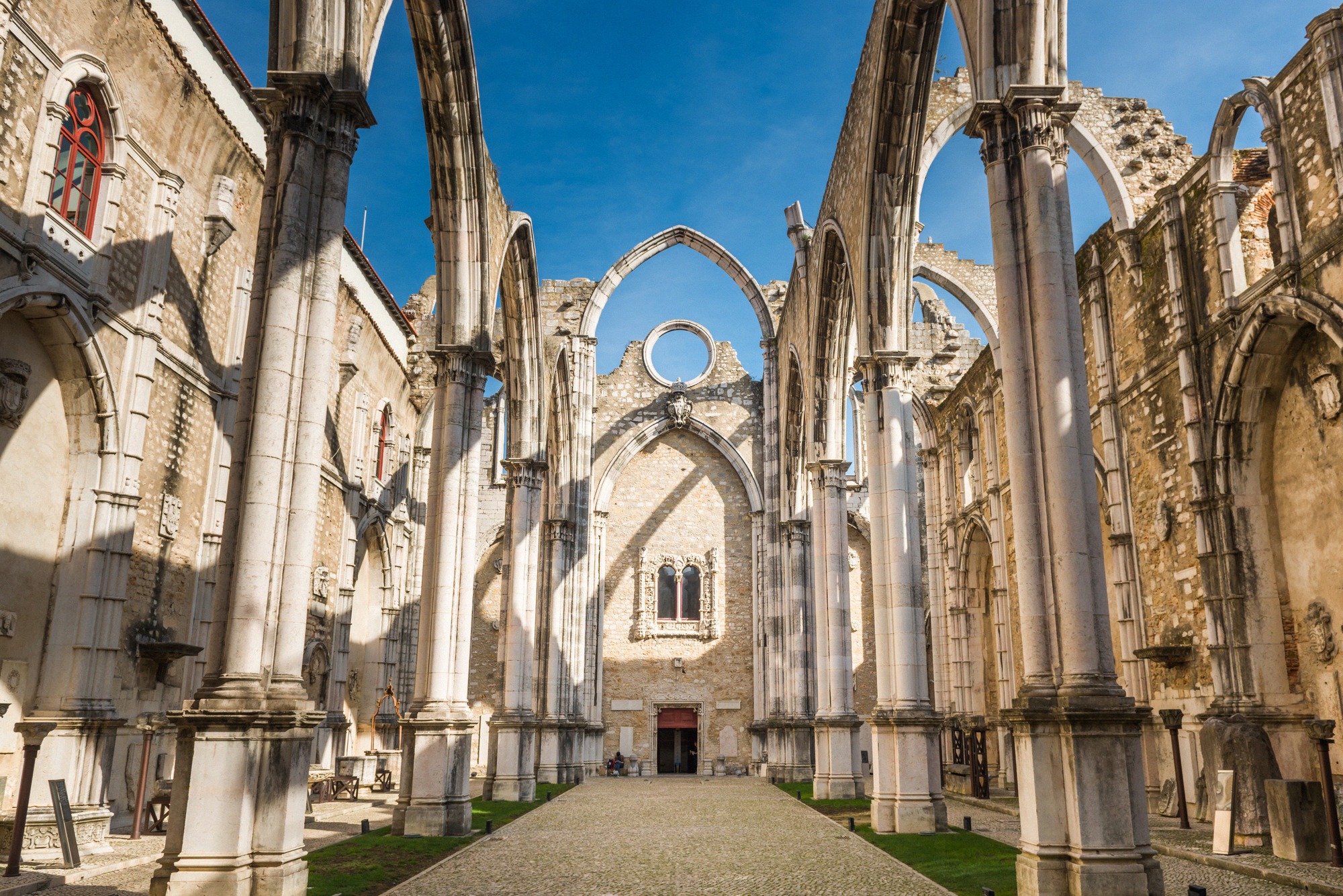
This roofless Gothic ruin above the Baixa recalls the 1755 earthquake, its open arches against the sky are now a memorial and archaeology museum.
Santa Justa Lift
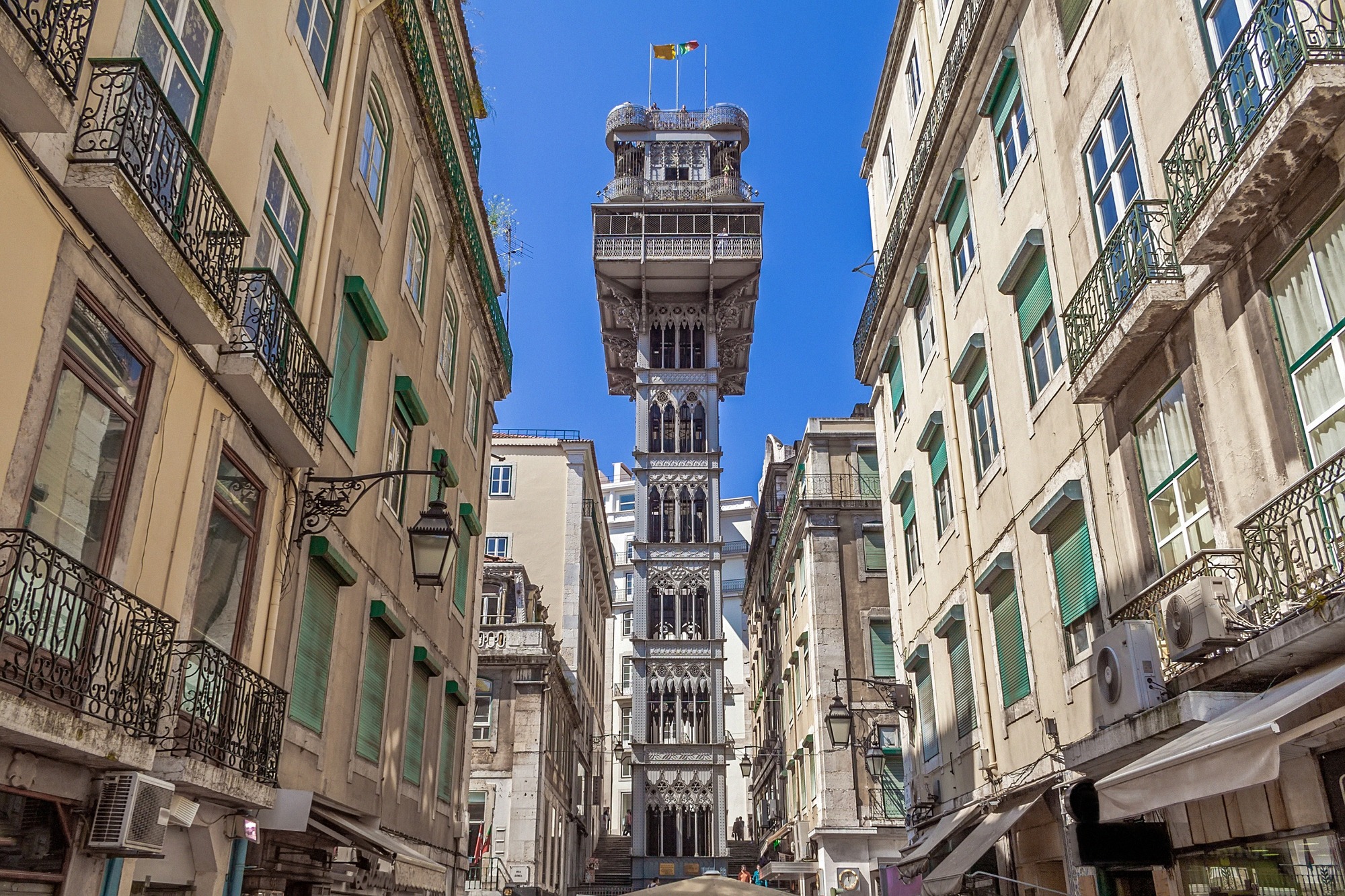
The neo-Gothic cast-iron lift from 1902 links the Baixa with the higher Largo do Carmo, a landmark with a viewing platform over the old town.
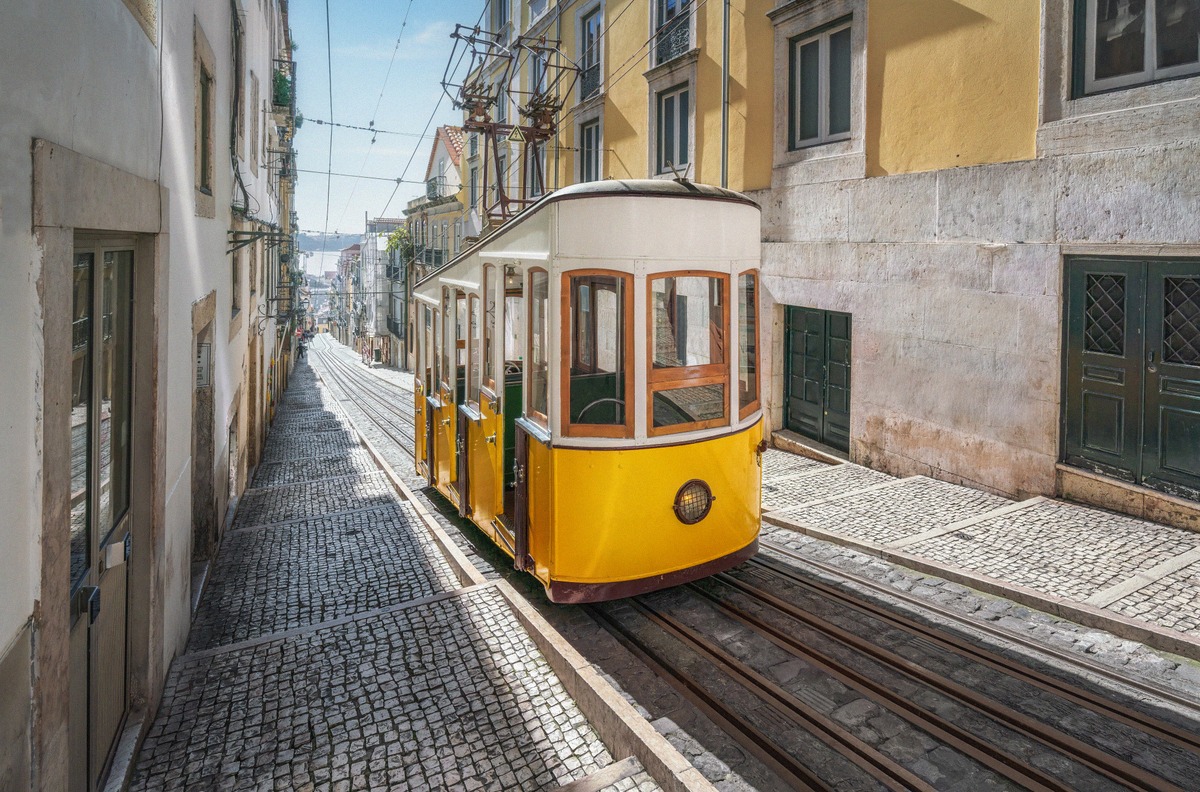
Bica Funicular
The yellow funicular from 1892 climbs one of Lisbon's steepest, most photogenic streets, a national monument between Bairro Alto and Cais do Sodré.
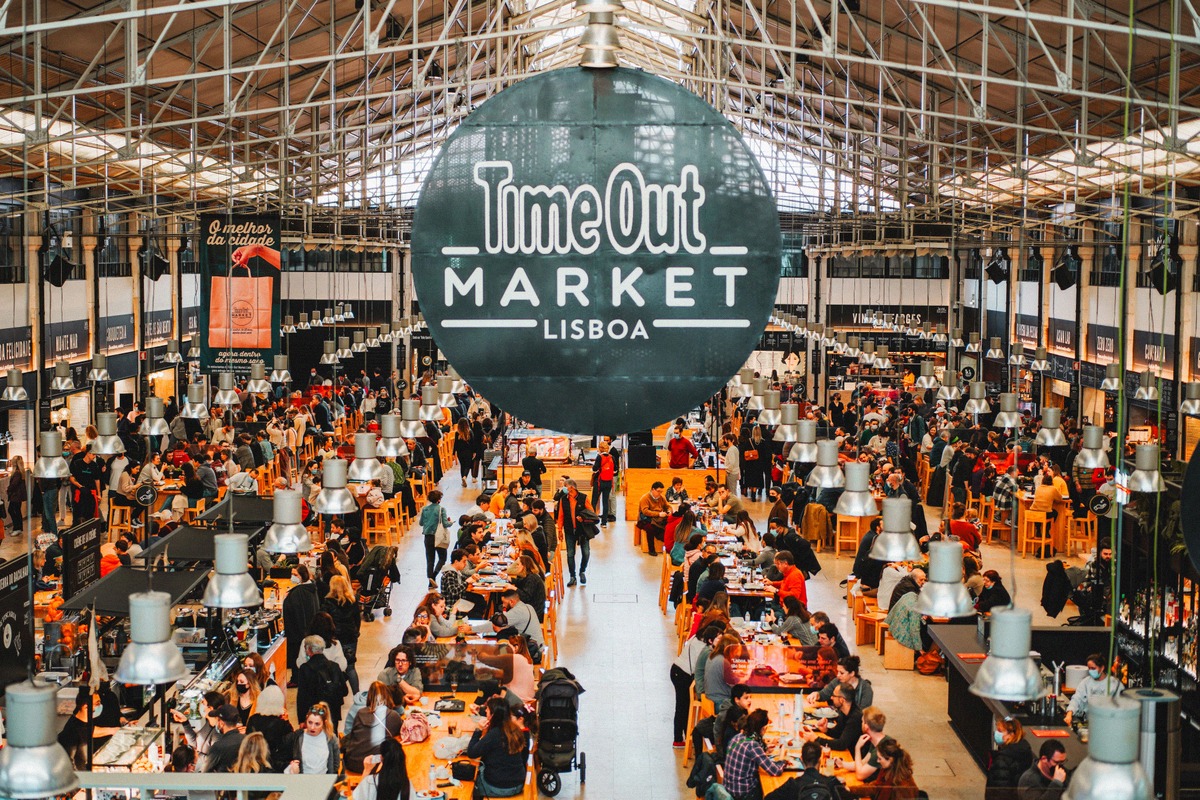
Time Out Market
Inside the historic Mercado da Ribeira, two dozen stalls gather the best chefs and restaurants in Lisbon under one roof, the city's most popular food hall.
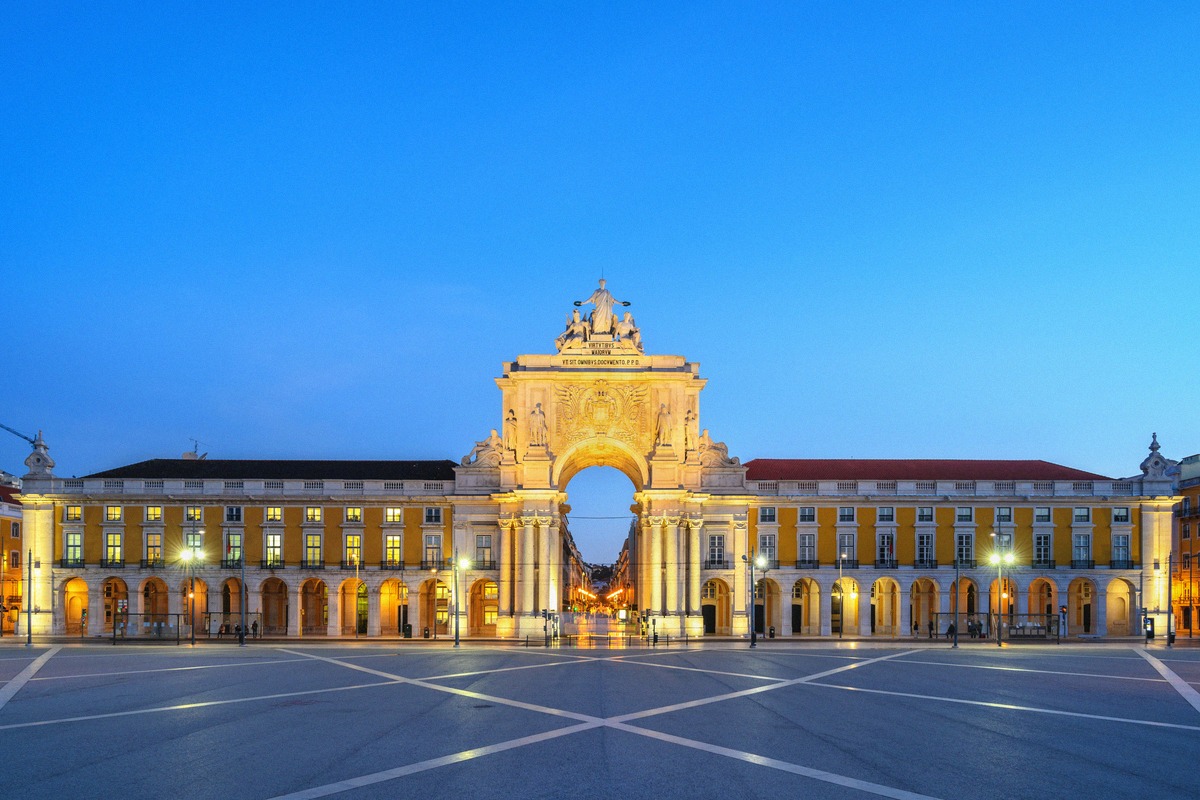
Rua Augusta Arch
The monumental triumphal arch links Praça do Comércio with Rua Augusta. A viewing terrace up top looks over the Baixa and the Tagus; the archway below is free to walk through.