Mouraria
Multicultural old quarter behind the castle
This unpolished quarter on the castle hill's north slope is considered the birthplace of fado and, together with Martim Moniz, is Lisbon's most multicultural district today.
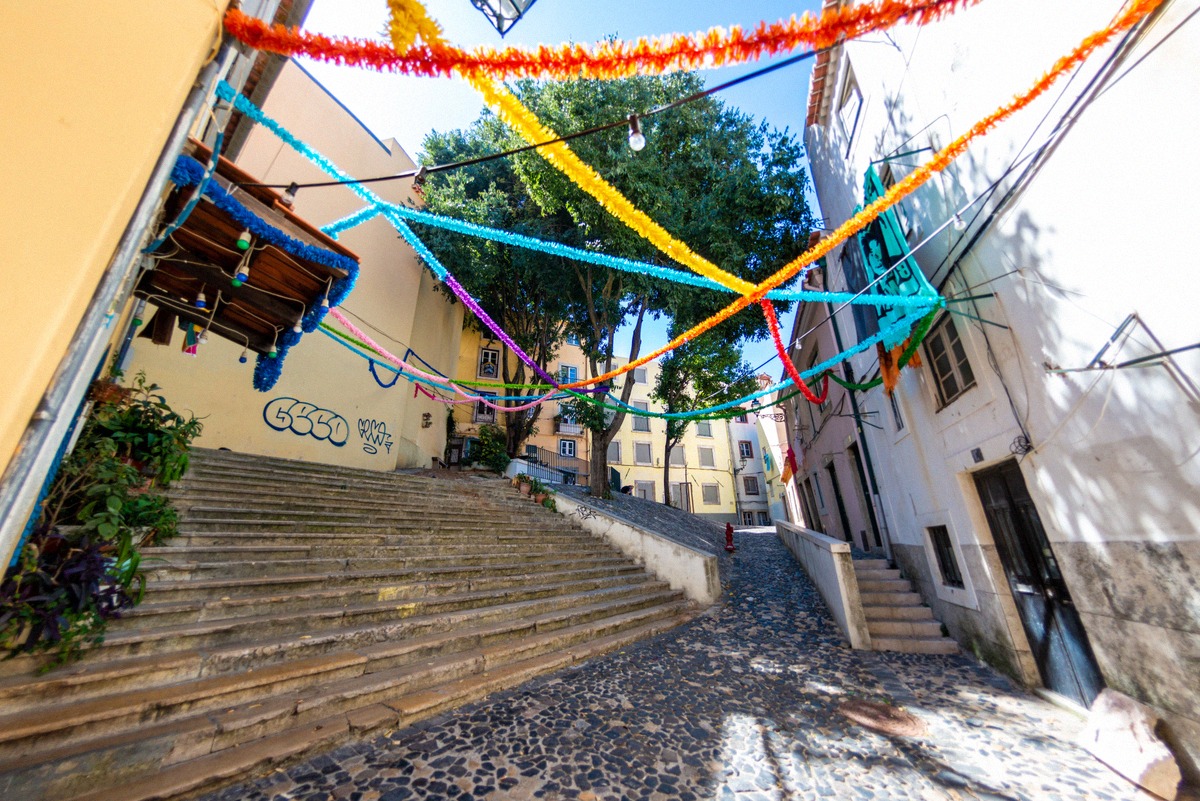
Cradle of fado
Mouraria lies on the north slope of the castle hill, just behind the Castelo, and takes its name from the Moors, who were settled here after the Christian reconquest of 1147. It remains one of Lisbon's most original quarters, and is considered the birthplace of fado: this is where the legendary 19th-century fado singer Maria Severa lived, commemorated today by small squares and murals.
Lisbon's most colourful quarter
Mouraria is now the city's most multicultural district: its narrow lanes are home to people from all over the world, and small shops and eateries serve cuisine ranging from Portuguese to South Asian. Life pulses around the square of Martim Moniz. The quarter is authentic, lively and, far from the polished tourist routes, in constant flux.
The real Lisbon
Anyone looking for the unpolished, everyday Lisbon beyond the postcard sights will find it in Mouraria. A wander through its lanes, ideally combined with the climb up to the Castelo, reveals a different, very much alive side of the city.
Around Mouraria
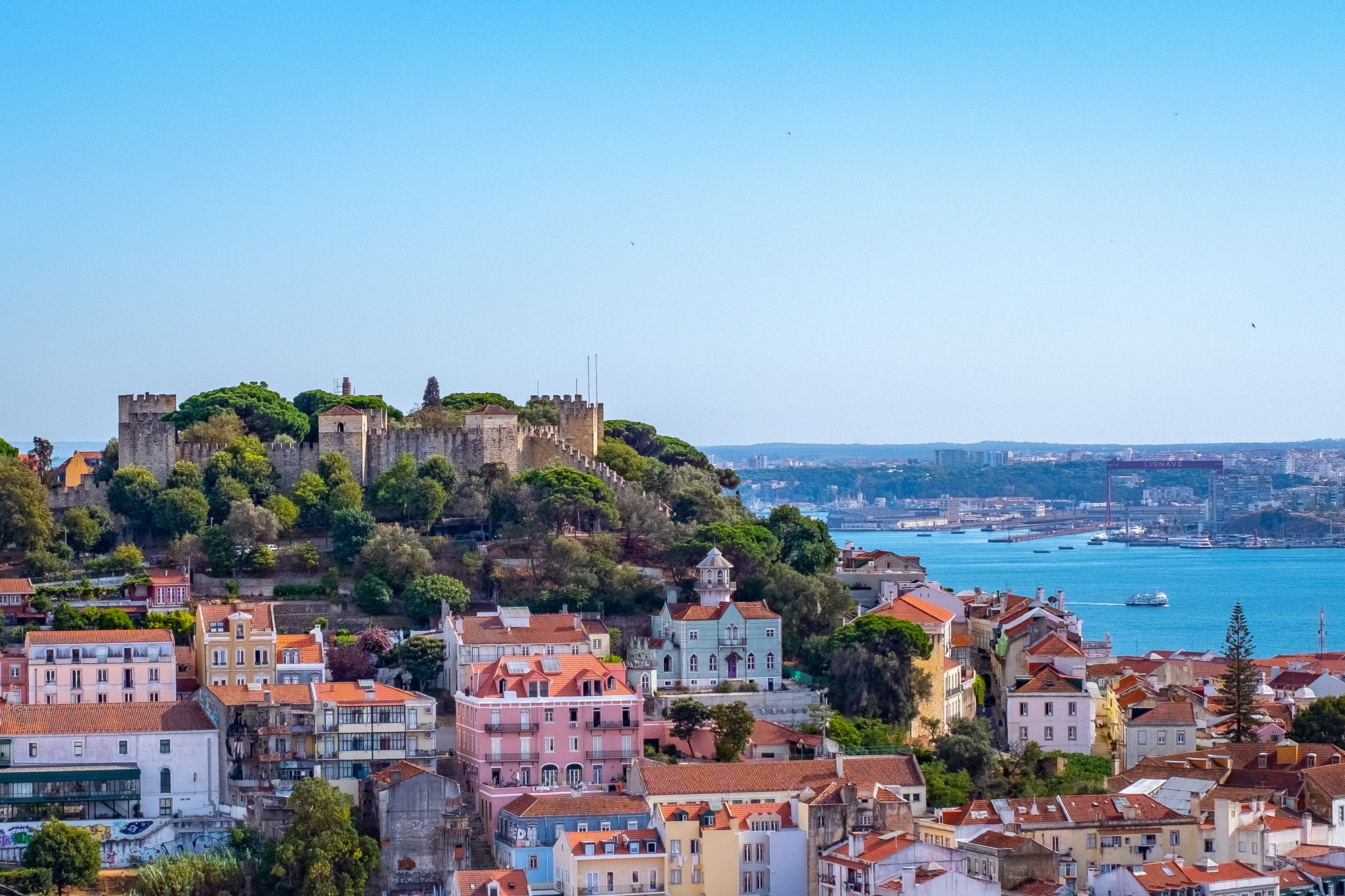
São Jorge Castle
The Moorish fortress crowns Lisbon's highest hill, with walkable ramparts, peacocks in the courtyard and the best all-round view over the old town and the Tagus.
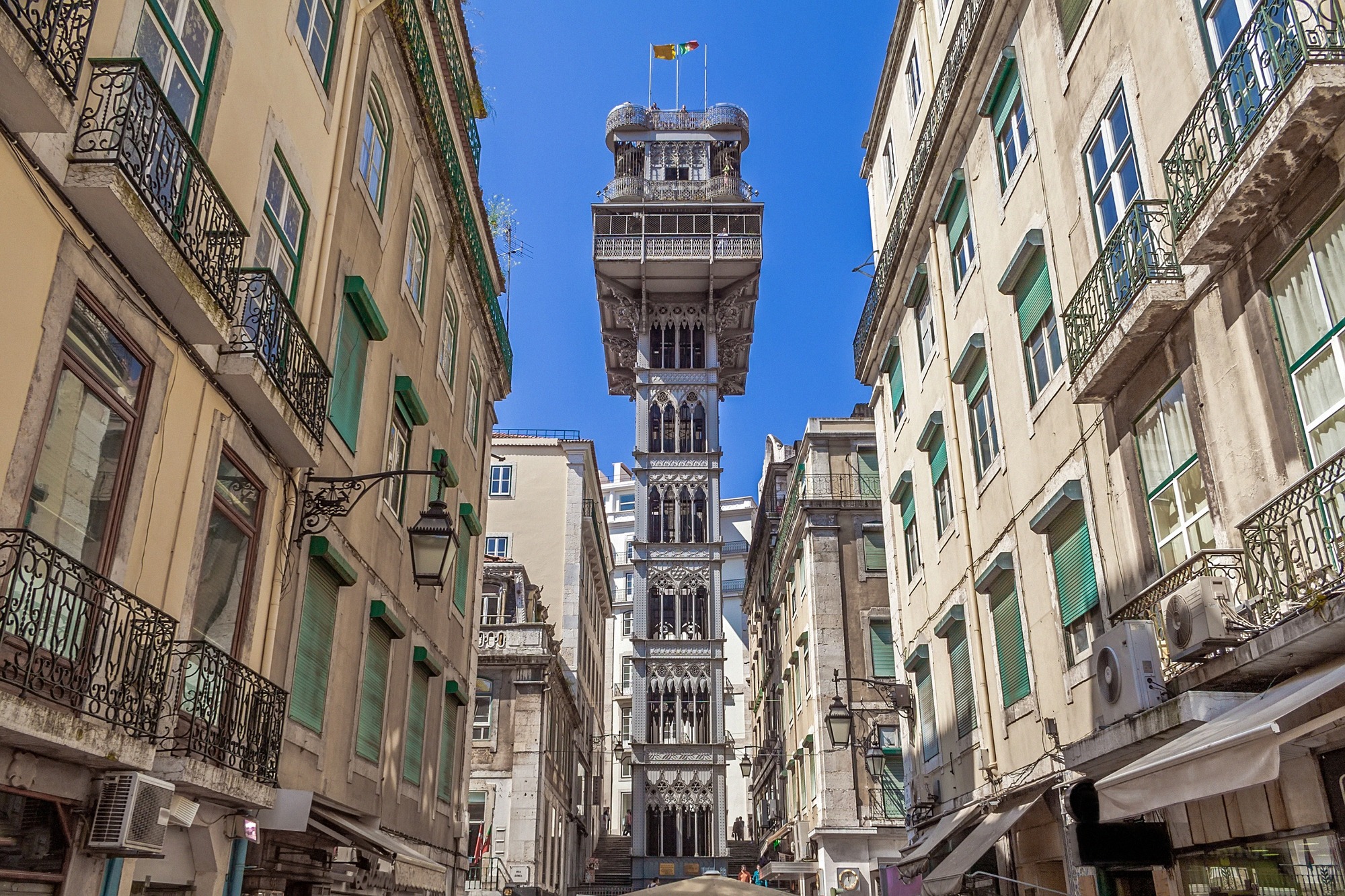
Santa Justa Lift
The neo-Gothic cast-iron lift from 1902 links the Baixa with the higher Largo do Carmo, a landmark with a viewing platform over the old town.
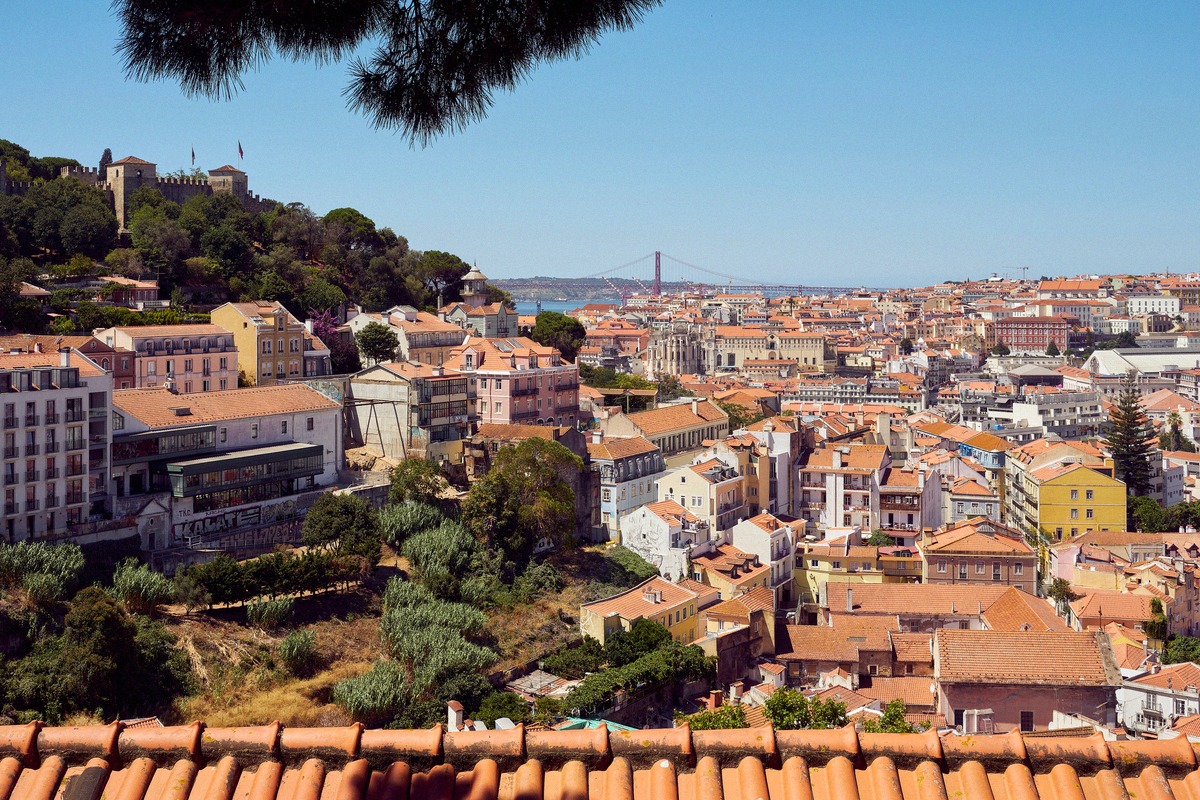
Miradouro da Graça
Officially the Miradouro Sophia de Mello Breyner Andresen: a wide square shaded by umbrella pines above Mouraria, with views of the castle and the Tagus.
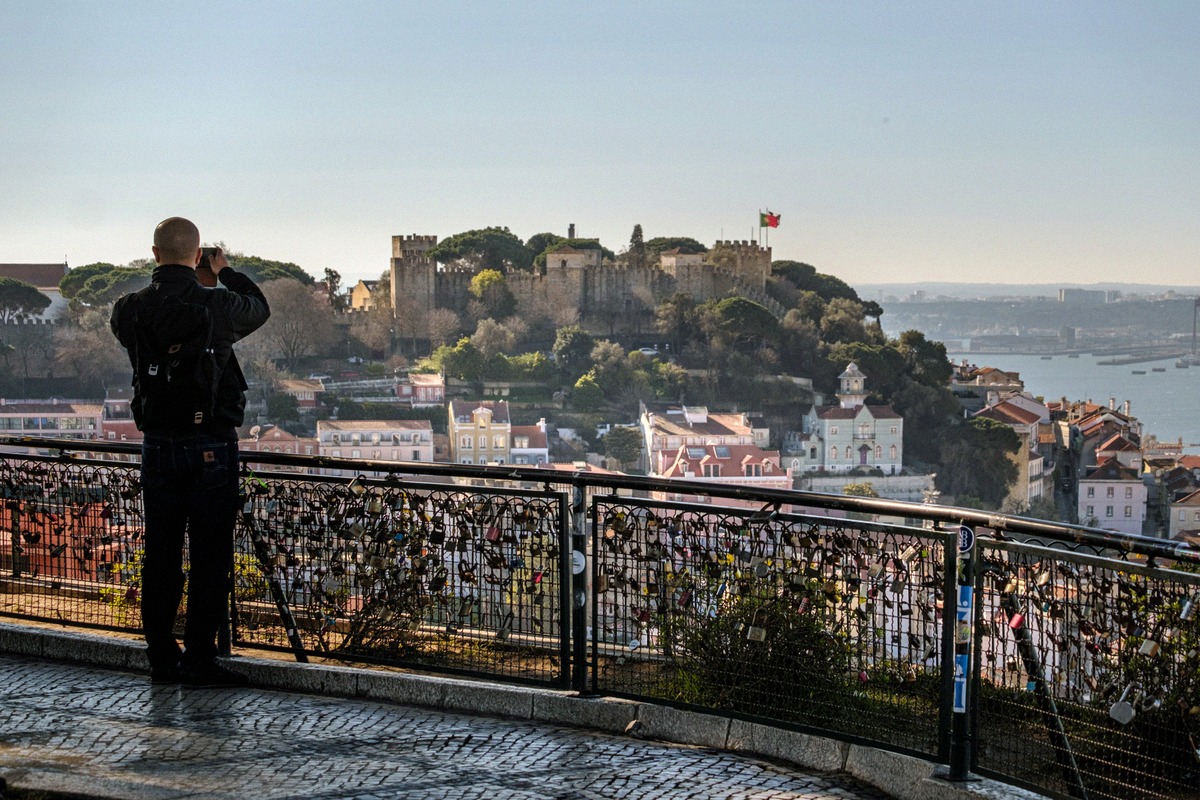
Miradouro da Senhora do Monte
Lisbon city centre's highest viewpoint, with a wide panorama over the old town, castle, Tagus and bridge. Free to visit, popular at sunset.
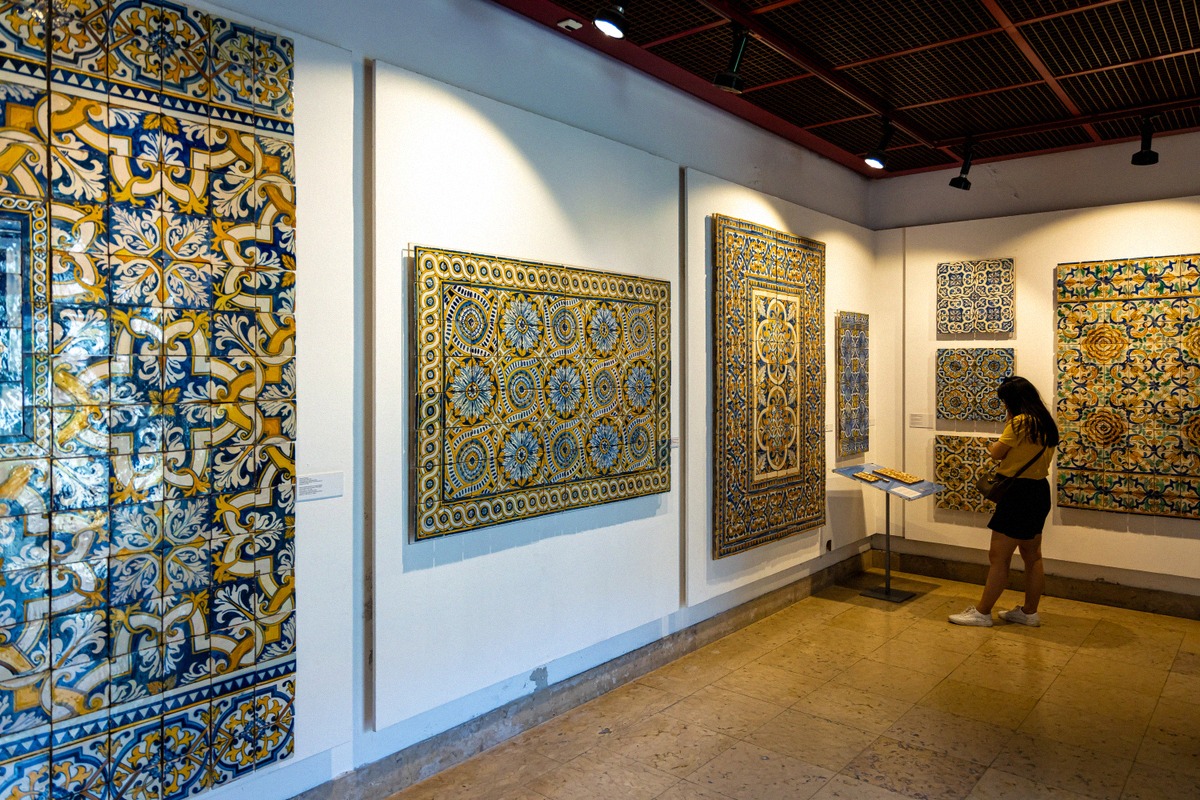
National Tile Museum
The Museu Nacional do Azulejo, in the former Madre de Deus Convent, is the only museum in the world devoted entirely to Portuguese tile art.
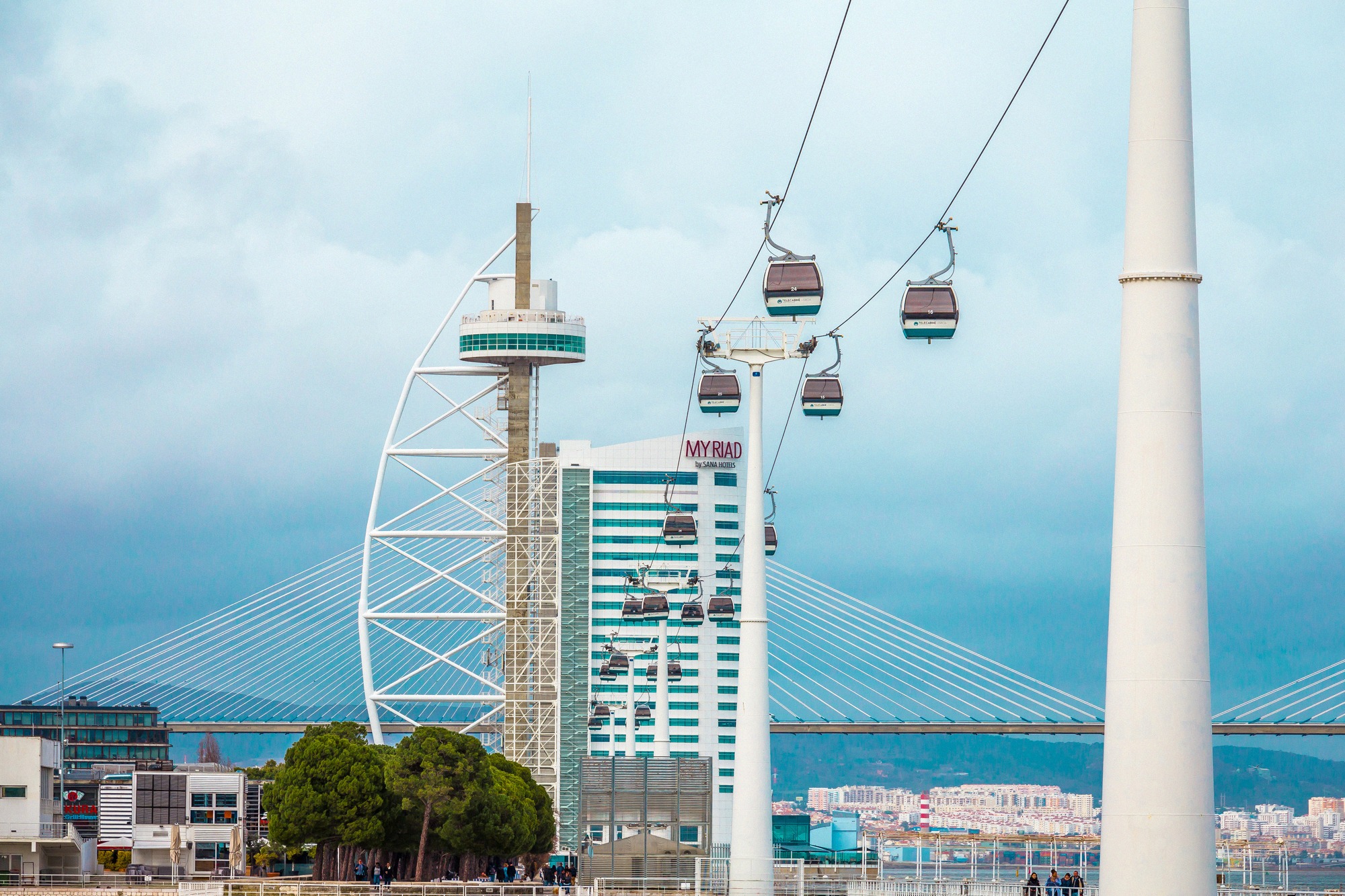
Oceanário de Lisboa
One of Europe's largest aquariums, built for Expo 98 in Parque das Nações, a huge central ocean tank with sharks and rays, ringed by four habitats of the world's oceans.