Oceanário de Lisboa
Aquarium in Parque das Nações
One of Europe's largest aquariums, built for Expo 98 in Parque das Nações, a huge central ocean tank with sharks and rays, ringed by four habitats of the world's oceans.
Contents
A journey through the oceans
The Oceanário de Lisboa is one of Europe's largest and best-known aquariums. It was built for the Expo 98 world's fair and sits in Parque das Nações, the modern district in the east of the city. At its heart is a huge central tank, visible from every side, where sharks, rays, barracudas and large shoals circle continuously. It holds around five million litres of seawater, is roughly seven metres deep and covers about a thousand square metres, as you walk round, it keeps reappearing, seen from different levels and through enormous acrylic panels.
Altogether the aquarium is home to over 8,000 animals from around 500 species. That makes it worth a visit for adults too, even those who usually associate aquariums with children, the scale of the place and the calm of the big tanks have a pull of their own.
Four oceans
The permanent exhibition "One Planet, One Ocean" groups four habitats around the central tank, each recreating a different ocean:
- the North Atlantic, with a rocky coastline and its seabirds,
- the Antarctic, with a colony of penguins,
- the temperate Pacific, with sea otters, a firm visitor favourite,
- the tropical Indian Ocean, with a coral reef and colourful shoals.
The clever part of the design: the four habitats share the same space above and below water as the main ocean tank, so the whole thing reads as a single, continuous sea. Next door, in the Sea Building, temporary exhibitions rotate through, including Takashi Amano's "Forests Underwater", billed by the Oceanário as the world's largest nature aquarium, and "Submerged Universe". It's worth checking the official website before your visit to see what's currently on.
Tickets & prices
Admission is priced by age group (correct as of 2026):
- Adults (13-64): €25
- Seniors aged 65 and over: €17
- Children aged 3 to 12: €15
- Children under 3: free
Visitors with a disability of 60% or more get free entry, and one companion gets a 60% discount. Official sales run through tickets.oceanario.pt; online tickets come with 10% off using the code ONLINE10. Since tickets are tied to a time slot anyway, booking online is worth doing regardless, it saves the ticket queue on busy days. The Lisboa Card gets you 15% off here, though not free entry. The Oceanário reserves the right to change prices, so it's worth double-checking the figures on oceanario.pt before you go.
Visiting & practicalities
Allow 1.5 to 2.5 hours. The most pleasant time to go round is early morning, right at opening, or on a weekday, afternoons and summer (June to August) bring longer queues and crowded viewing platforms. It's open daily from 10:00 to 20:00 (last entry 19:00), with no weekly closing day; only on Christmas Eve and New Year's Eve do shorter hours apply, until 19:00.
The aquarium is fully accessible: ramps and lifts reach every level for wheelchairs and pushchairs, and there's priority access for pregnant visitors, families with young children, people with disabilities and seniors. Photography for personal use is allowed, but without flash; selfie sticks aren't permitted, and mobile phones should be kept on silent.
Getting there & the surrounding area
The Oceanário sits in Parque das Nações, the former Expo 98 site. The easiest way in is by metro (red line) to Oriente; from there it's a short walk along the waterfront. If you're driving, several car parks are within walking distance, including Oceanário Park (274 spaces), Doca Park (700 spaces) and the large car park at Oriente station (around 2,000 spaces); the Oceanário doesn't publish specific rates.
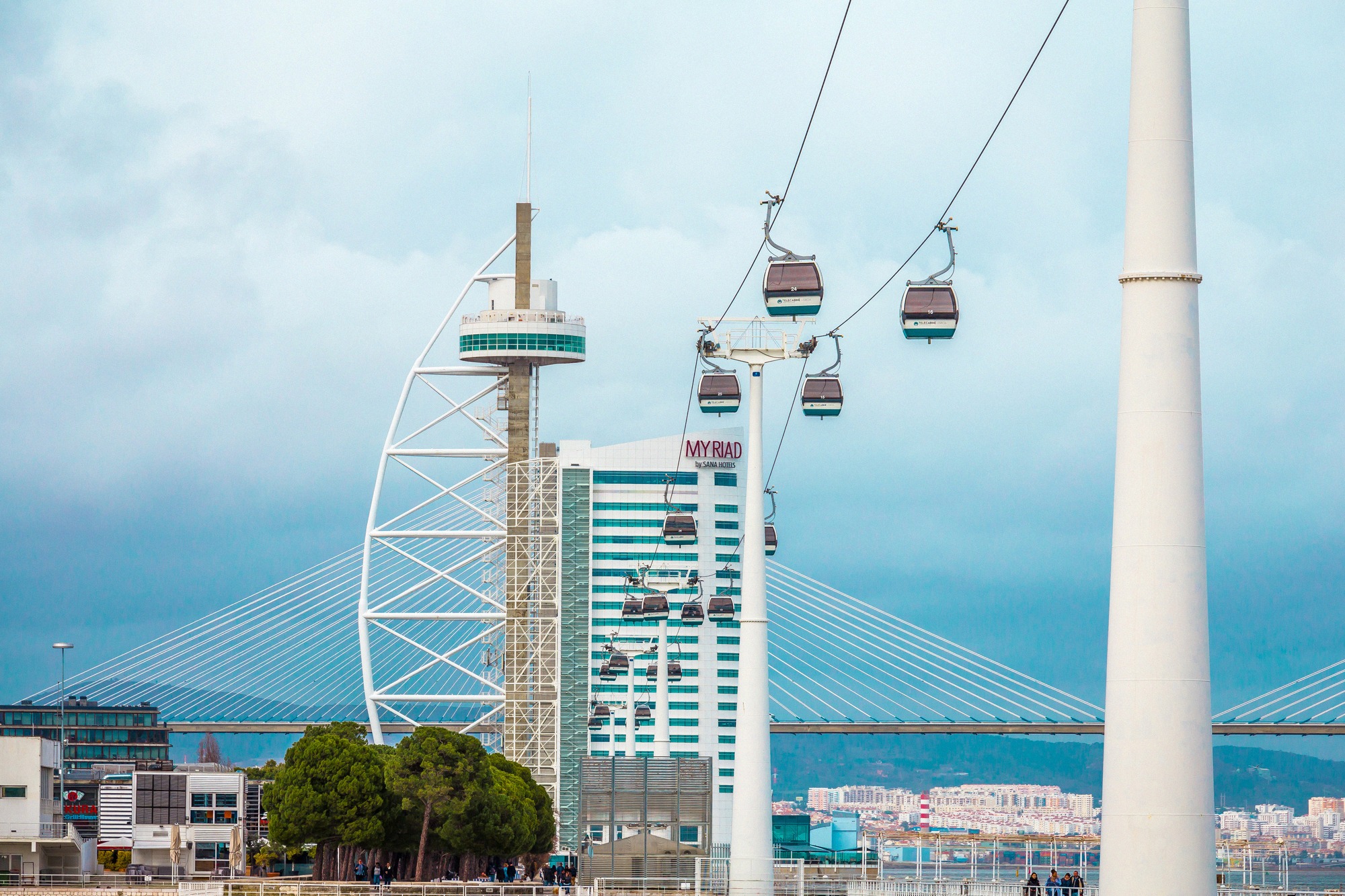
The visit pairs well with the futuristic district around it: the cable car over the Tagus, the Vasco da Gama Tower and the shopping centre next door. For families, the Oceanário is one of Lisbon's most reliable outings, more in the guide Lisbon with Kids. Since Parque das Nações sits away from the historic old town, it's worth planning your getting around in advance and building the trip into its own half-day.
Frequently asked questions
Is the Oceanário particularly good for children?+
How do you get to the Oceanário?+
How much does admission cost, and should you book ahead?+
How much time should you allow?+
Nearby

National Tile Museum
The Museu Nacional do Azulejo, in the former Madre de Deus Convent, is the only museum in the world devoted entirely to Portuguese tile art.
Miradouro da Senhora do Monte
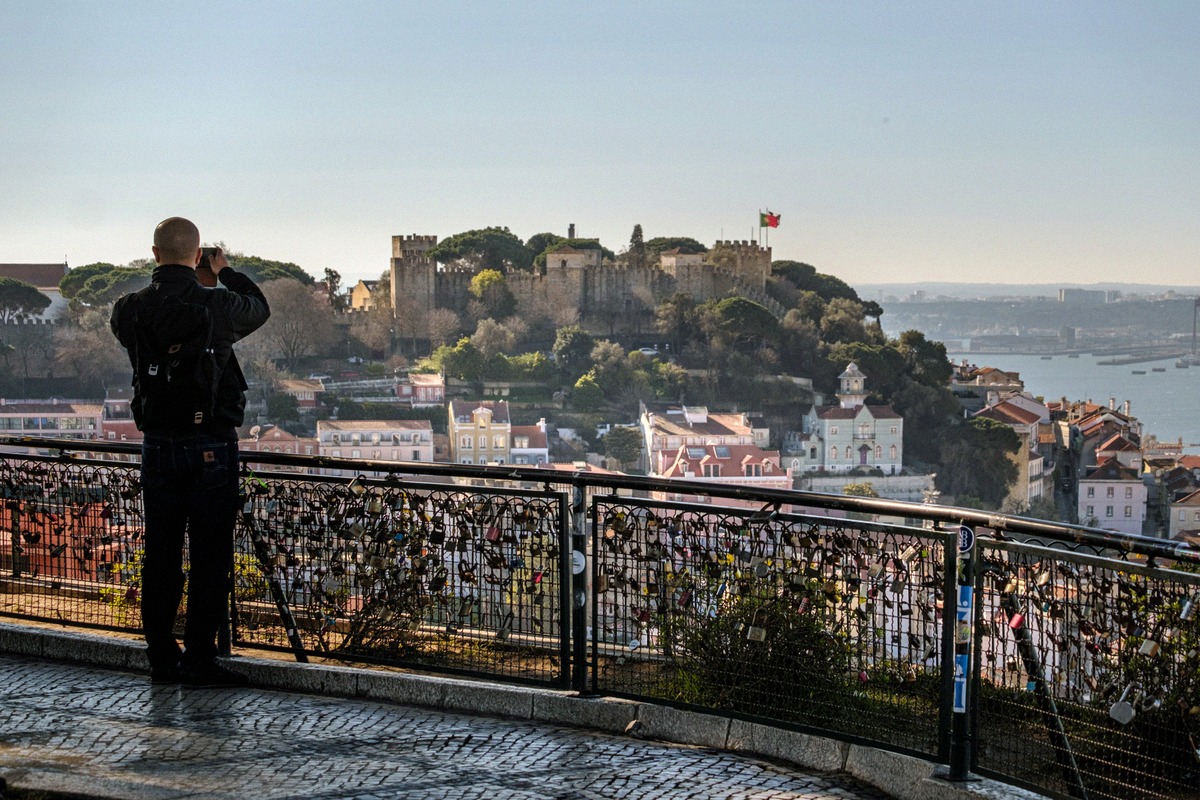
Lisbon city centre's highest viewpoint, with a wide panorama over the old town, castle, Tagus and bridge. Free to visit, popular at sunset.
Panteão Nacional
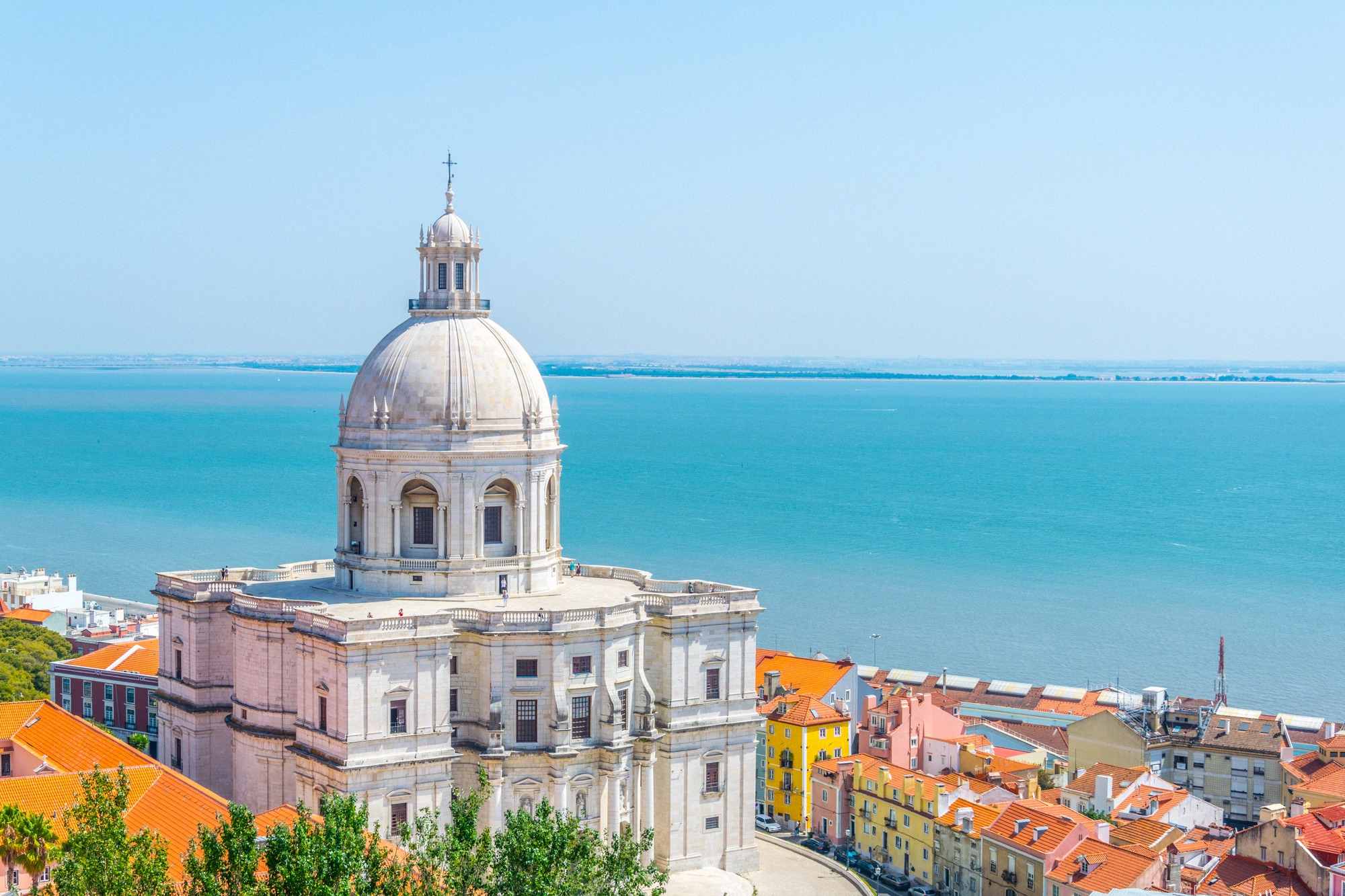
Baroque domed church in Alfama and resting place of great Portuguese figures, from Amália Rodrigues to Eusébio. With a rooftop terrace over the rooftops and the Tagus.
Gulbenkian Museum
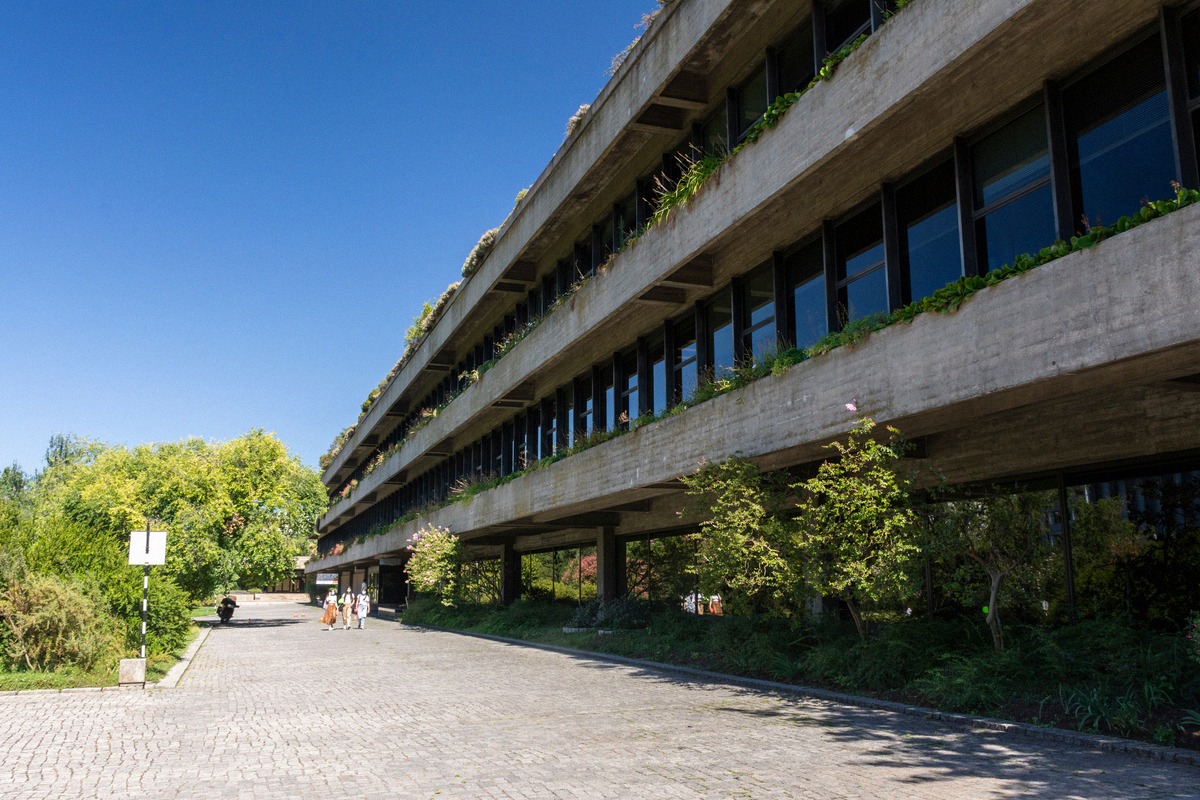
The Museu Calouste Gulbenkian holds the private world-class collection of an oil magnate, from ancient Egyptian art to Rembrandt and around 200 Lalique pieces, plus a free park.
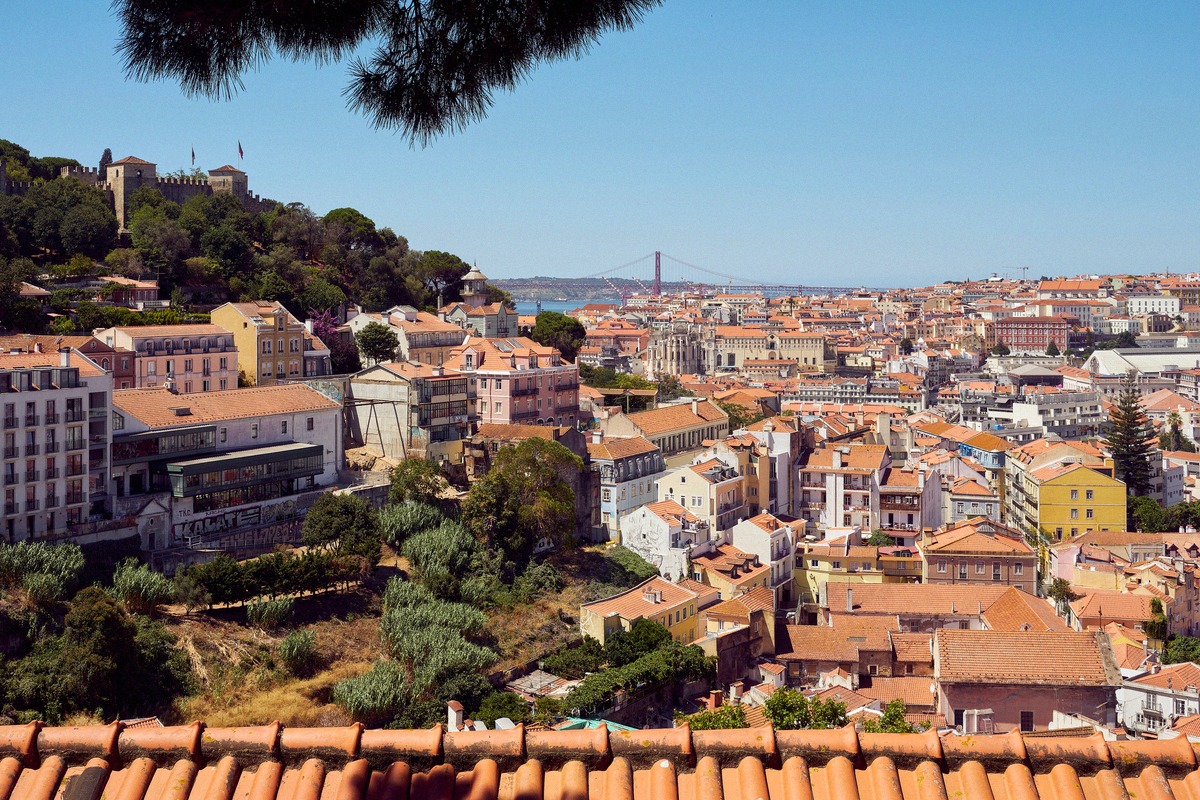
Miradouro da Graça
Officially the Miradouro Sophia de Mello Breyner Andresen: a wide square shaded by umbrella pines above Mouraria, with views of the castle and the Tagus.
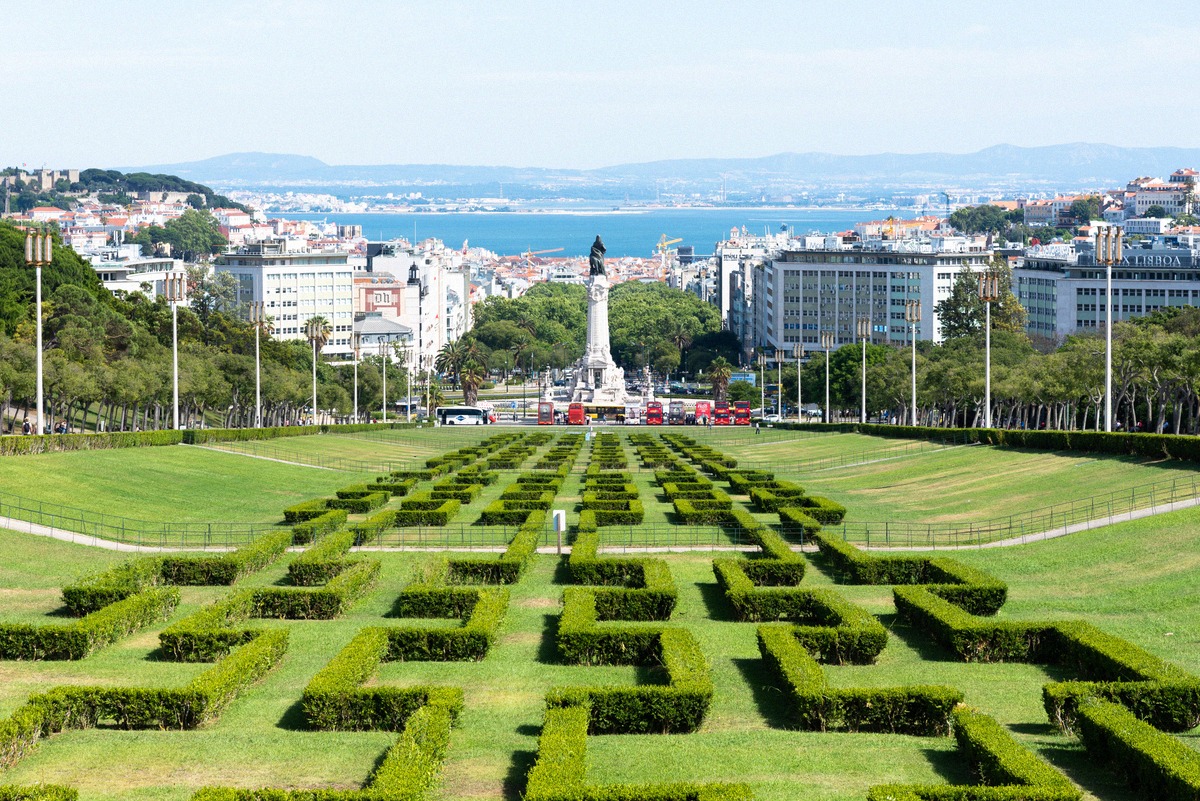
Parque Eduardo VII
Lisbon's grand city park climbs in neatly patterned hedges to a long view down Avenida da Liberdade to the Tejo. Free entry; Estufa Fria ticketed separately.