National Tile Museum
Tile art in the Madre de Deus Convent
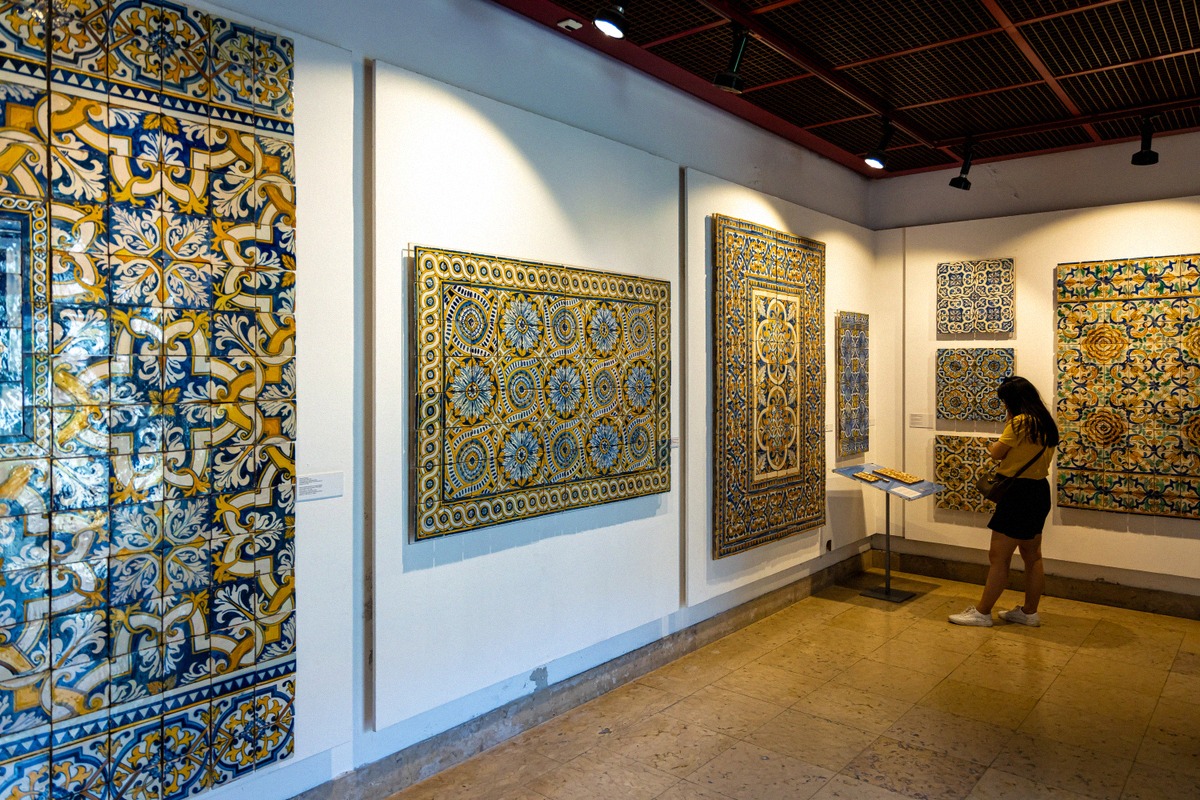
The Museu Nacional do Azulejo, in the former Madre de Deus Convent, is the only museum in the world devoted entirely to Portuguese tile art.
Contents
Closed for renovation, what you need to know
Important upfront: the Museu Nacional do Azulejo (National Tile Museum) is closed as of June 2026. Under Portugal's Recovery and Resilience Plan (PRR), the building has been under renovation since November 2025; the official website simply notes that the museum is "closed for PRR works". Reopening is expected at the start of the second half of 2026, roughly mid-2026, though the museum has not yet confirmed a firm date.
If you still want to see the collection in the meantime: during the closure, the Museu Municipal de Tavira (Palácio da Galeria) in the Algarve is showing a substitute exhibition drawn from the museum's holdings, Tue-Sat 9:30-16:30. Before heading to the Lisbon site, it's worth checking the official page museunacionaldoazulejo.gov.pt for current opening hours and prices.
Five centuries of tile art
The museum is devoted to Portugal's most distinctive art form: the azulejo, the glazed ceramic tile that has decorated churches, palaces and house façades since the 15th century. It is the only museum in the world dedicated solely to tile art. The collection is housed in the former Madre de Deus Convent, whose gilded, fully tiled church is worth the visit on its own.
The permanent collection moves chronologically from early, Moorish-influenced patterns through the typical blue-and-white pictorial tiles of the Baroque to modern tile art. The best-known piece is a roughly 23-metre panorama of Lisbon from before the 1755 earthquake, a unique ceramic cityscape showing the city as it looked before the great destruction.
Is it worth visiting?
For anyone wanting to understand Portuguese culture beyond the postcard shots, the National Tile Museum is one of Lisbon's most rewarding museums, here, the tile isn't decoration, it's the main attraction. Its location a little way out to the east means it's not a spontaneous stop on the way to somewhere else: you travel there deliberately. As an indoor destination, it's an ideal choice for a rainy day, when Lisbon's miradouros (viewpoints) have little to offer.
Allow 1.5 to 2 hours for the collection and the convent church. Before the closure, it was quietest on weekday mornings; the museum got busier around midday and at weekends.
Visiting & practical info
Once it reopens, regular hours are expected to resume: Tuesday-Sunday 10:00-18:00, last admission 17:15, closed Mondays. It also closes on public holidays: 1 January, Easter Sunday, 1 May, 13 June (Santo António) and 25 December. Before the closure, admission was €8, with children under 12 free; entry is free with the Lisboa Card, and free for Portuguese residents on Sundays and public holidays. Tiered pricing after the renovation has not yet been confirmed - check the official website before you travel.
The museum is at Rua da Madre de Deus 4 in the Xabregas district, east of the centre. Bus 794 runs there directly from Praça do Comércio; routes 718, 742 and 759 also stop nearby. Given its out-of-the-way location, it's harder to combine with the central neighbourhoods than other sights, plan it as its own half-day outing. If you're working your way through Lisbon's museums anyway, it pairs well with the Gulbenkian Museum or MAAT on a different day. For getting around by bus and tram, see our overview of public transport in Lisbon.
Frequently asked questions
Can I visit the National Tile Museum right now?+
What makes the National Tile Museum special?+
How much does admission cost?+
How do I get to the museum?+
Nearby

Panteão Nacional
Baroque domed church in Alfama and resting place of great Portuguese figures, from Amália Rodrigues to Eusébio. With a rooftop terrace over the rooftops and the Tagus.
Miradouro da Senhora do Monte
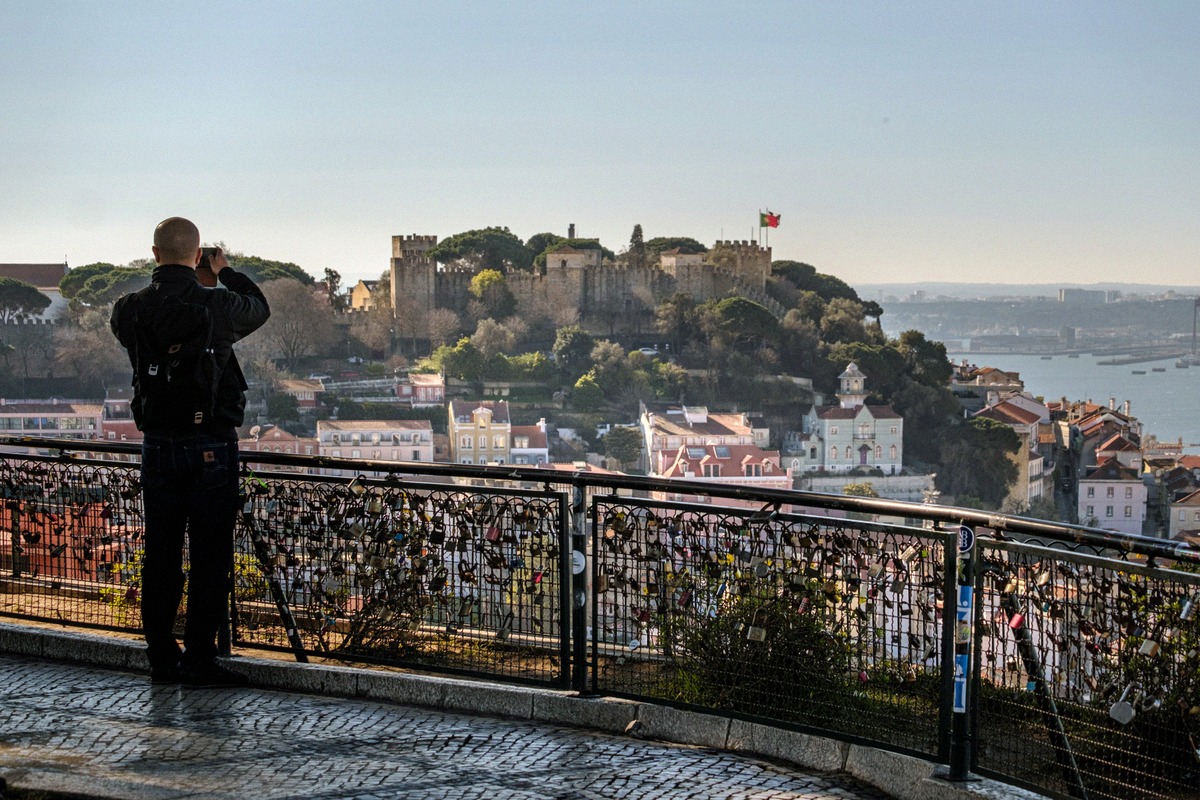
Lisbon city centre's highest viewpoint, with a wide panorama over the old town, castle, Tagus and bridge. Free to visit, popular at sunset.
Miradouro da Graça
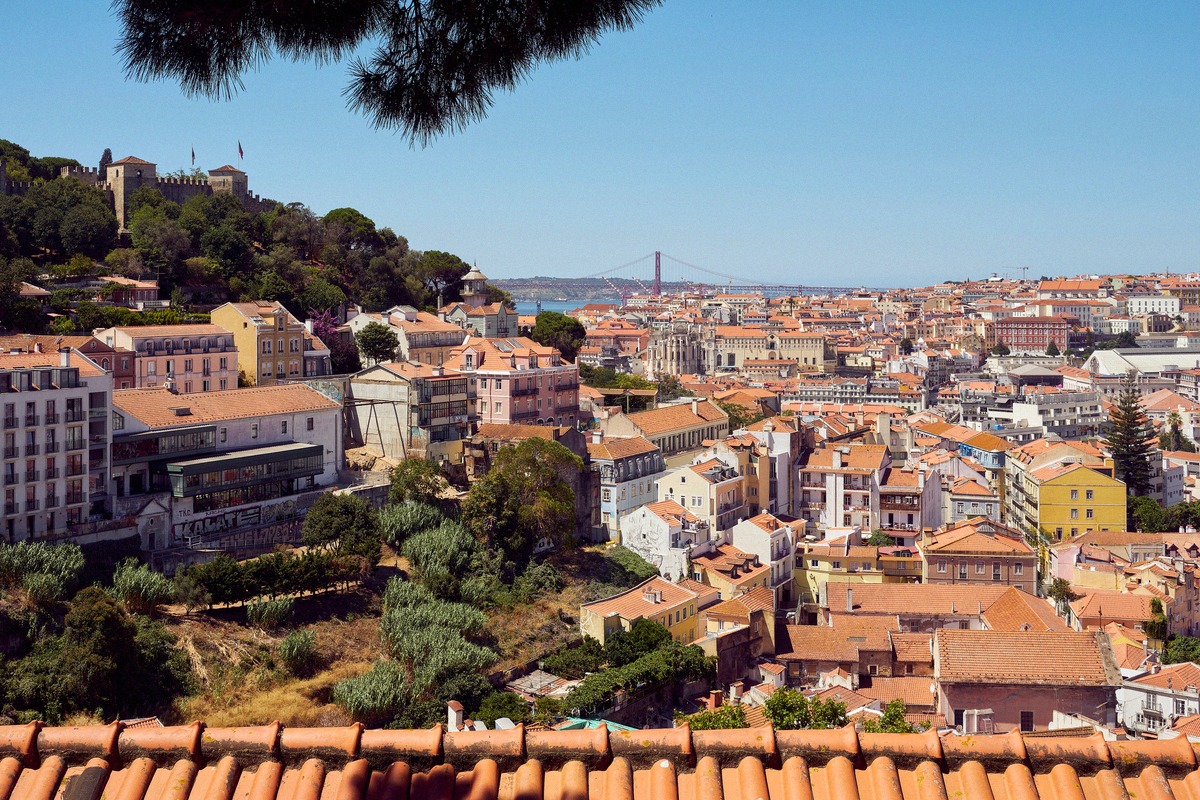
Officially the Miradouro Sophia de Mello Breyner Andresen: a wide square shaded by umbrella pines above Mouraria, with views of the castle and the Tagus.
Miradouro de Santa Luzia
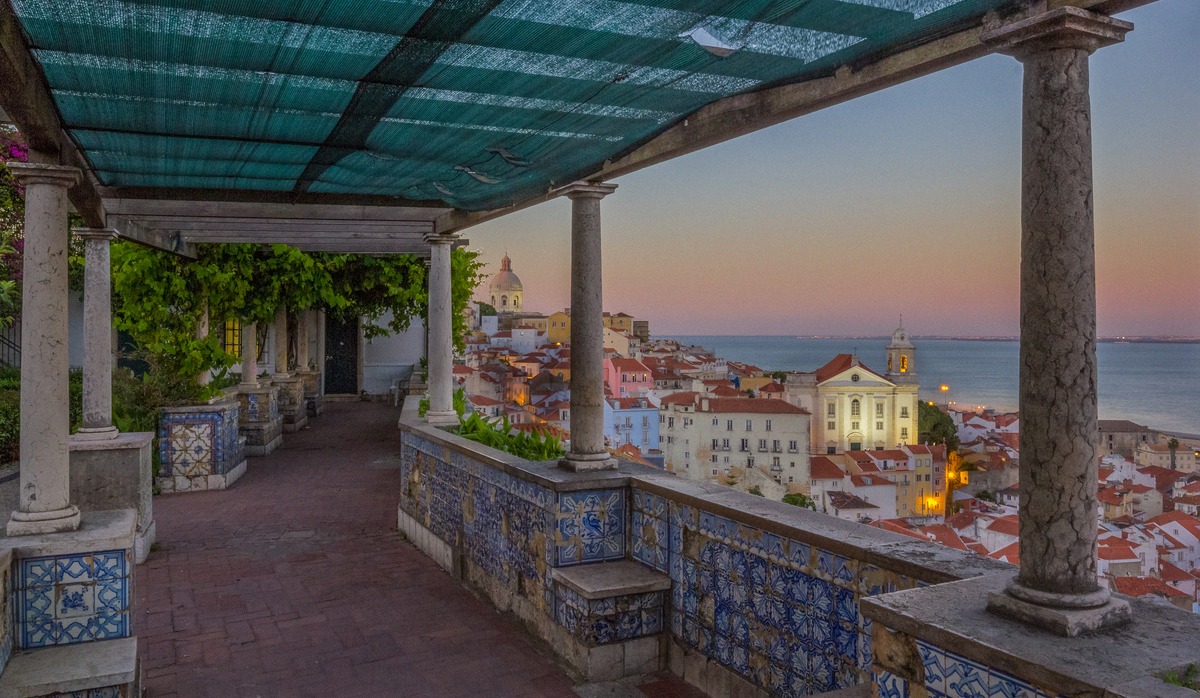
The Miradouro de Santa Luzia is Alfama's famous viewpoint terrace with a pergola, azulejos and a postcard view over the red rooftops to the Tagus. Free to visit, on the Tram 28 route.

Tram 28
The yellow Carris Line 28E climbs through Graça, Alfama and Estrela, a sightseeing ride at public transport prices, from Martim Moniz to Campo de Ourique.
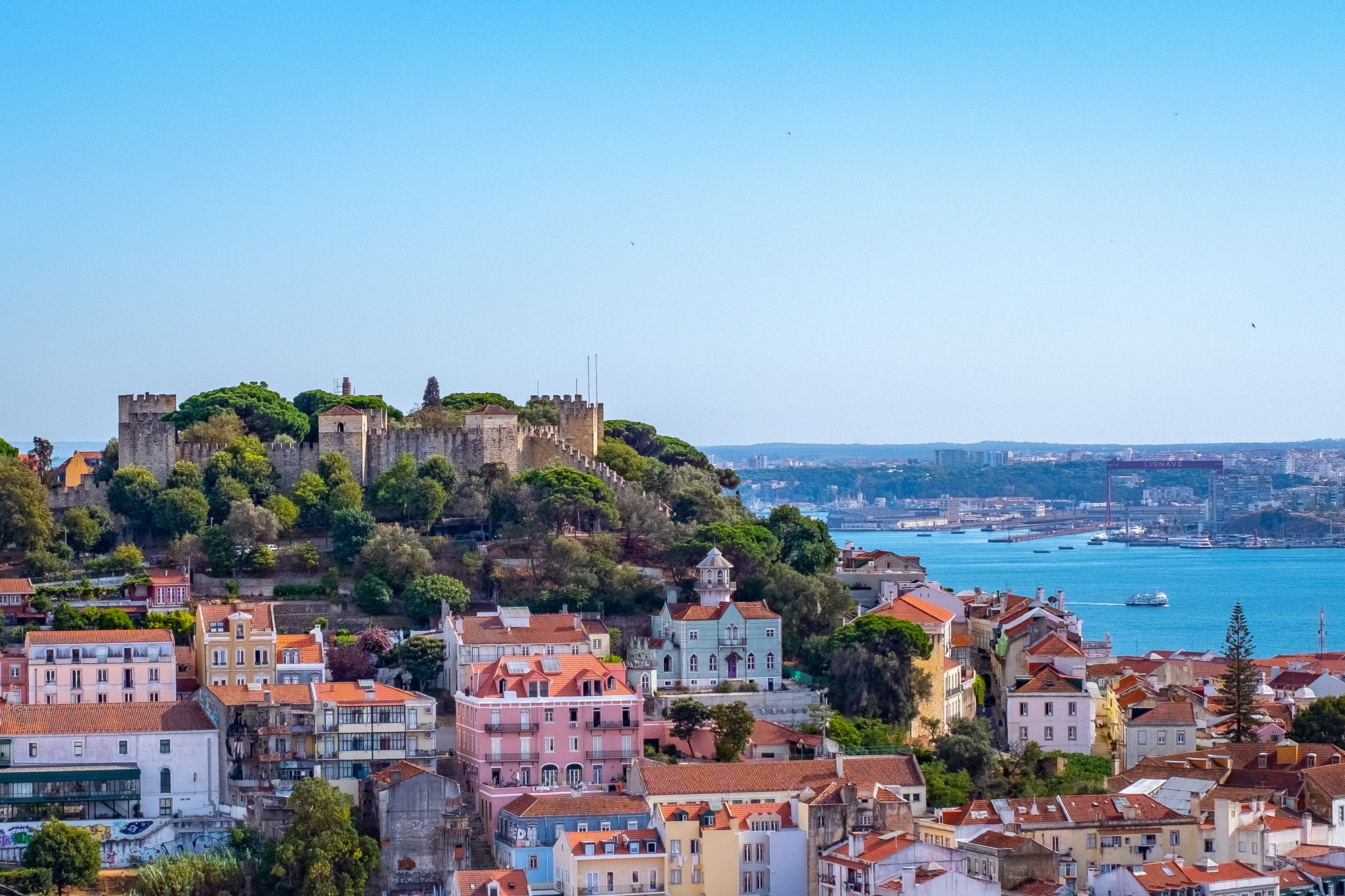
São Jorge Castle
The Moorish fortress crowns Lisbon's highest hill, with walkable ramparts, peacocks in the courtyard and the best all-round view over the old town and the Tagus.