Miradouro da Graça
Viewpoint under pines in Graça
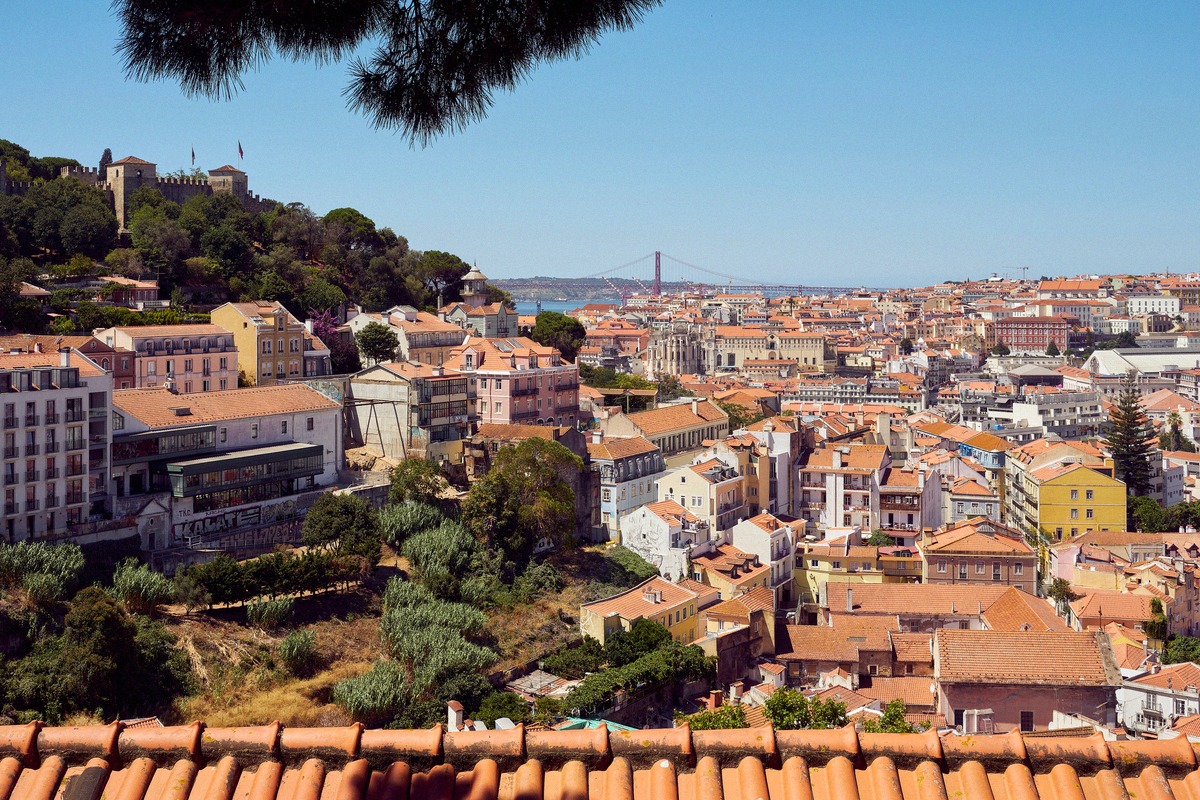
Officially the Miradouro Sophia de Mello Breyner Andresen: a wide square shaded by umbrella pines above Mouraria, with views of the castle and the Tagus.
Contents
What to expect
The Miradouro da Graça sits in the down-to-earth neighbourhood of the same name, above Alfama and Mouraria. It is not a narrow balcony but a wide square shaded by umbrella pines, next to the Graça church and convent. The low walls around the edge make good seating, and a kiosk runs an esplanade with drinks and snacks along one side. Locals and visitors alike treat it as a relaxed meeting point, the benches fill up especially around sunset.
Views over castle and city
From here opens one of Lisbon's finest city views: the São Jorge Castle stands opposite, with Mouraria, the historic centre and the Tagus spread out below. Only the Miradouro da Senhora do Monte sits further and higher still, reached by a short, steeper climb from Graça, if you are already up here, it is worth taking in both viewpoints.
From neighbourhood to poet
For a long time the square was simply named after the neighbourhood. Its official name honours the Portuguese poet Sophia de Mello Breyner Andresen (1919-2004): a municipal announcement in November 2008 named the viewpoint after her, with a formal inauguration on 2 July 2009. A bronze bust of the poet by sculptor António Duarte has stood on the square ever since. The neighbouring Graça convent dates back to a foundation in 1271 and was rebuilt after the 1755 earthquake.
Visiting & practicalities
The miradouro is a public, freely accessible square with no admission fee. The city does not publish official opening or closing times; the Esplanada da Graça kiosk (open since 1992) is said, per travel-guide sources, to open daily from around 10:00 to 01:00, these hours are not confirmed by the city and may vary seasonally. 20 to 40 minutes is enough for the viewpoint alone; add a drink on the esplanade and it easily becomes more.
The best time is late afternoon into sunset, when the light falls on the castle, though that is also the busiest time. For a quieter visit, come in the early morning. Graça sits a little off the main tourist routes; the easiest way up is on Tram 28 or on foot through the lanes of Alfama and Mouraria. For an overview and ranking of the city's best viewpoints, see the guide to Lisbon's miradouros.
Frequently asked questions
What is the official name of the Miradouro da Graça?+
Is there an entrance fee for the Miradouro da Graça?+
When is the best time to visit the Miradouro da Graça?+
What makes the Miradouro da Graça special?+
Nearby
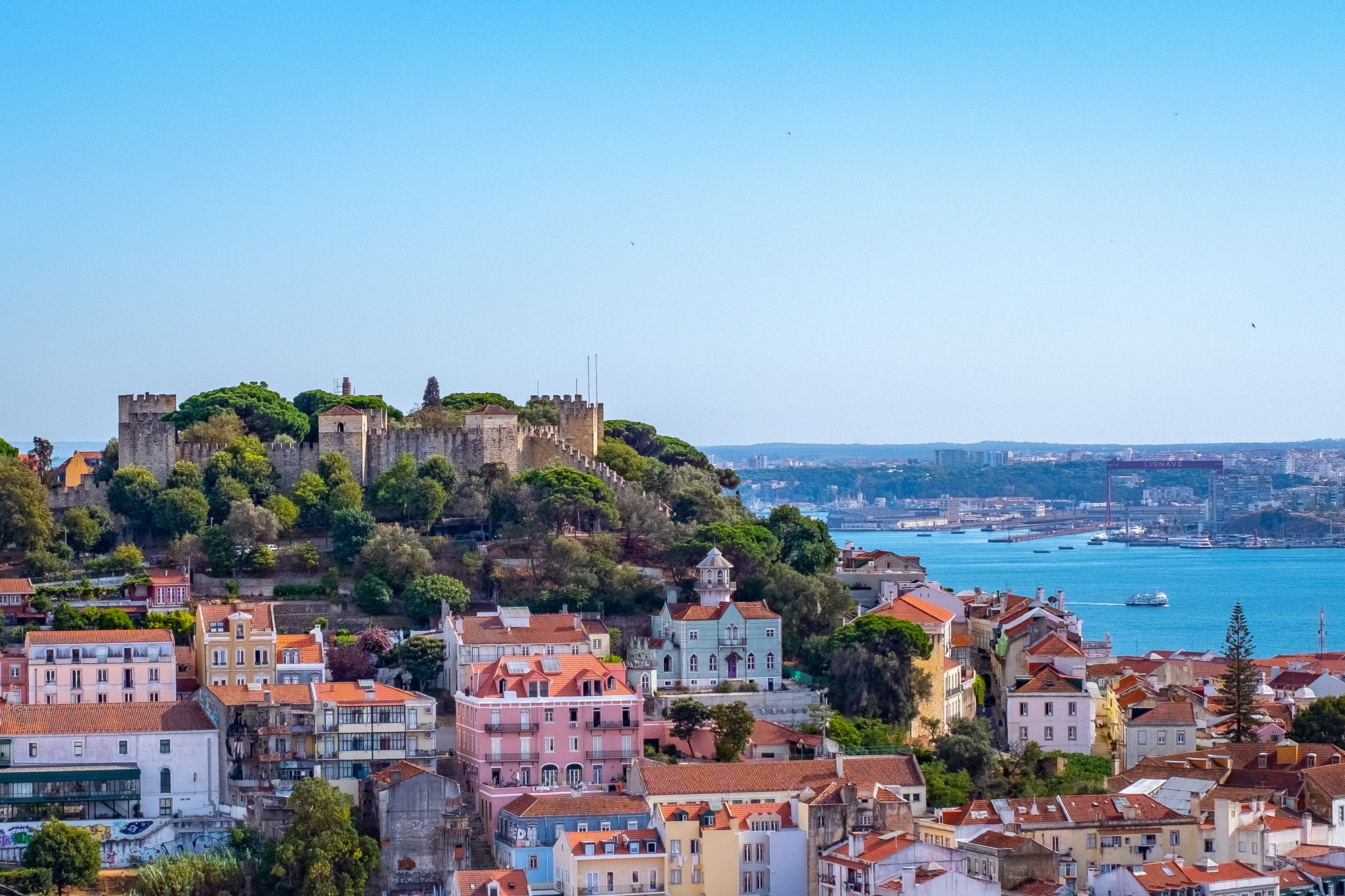
São Jorge Castle
The Moorish fortress crowns Lisbon's highest hill, with walkable ramparts, peacocks in the courtyard and the best all-round view over the old town and the Tagus.
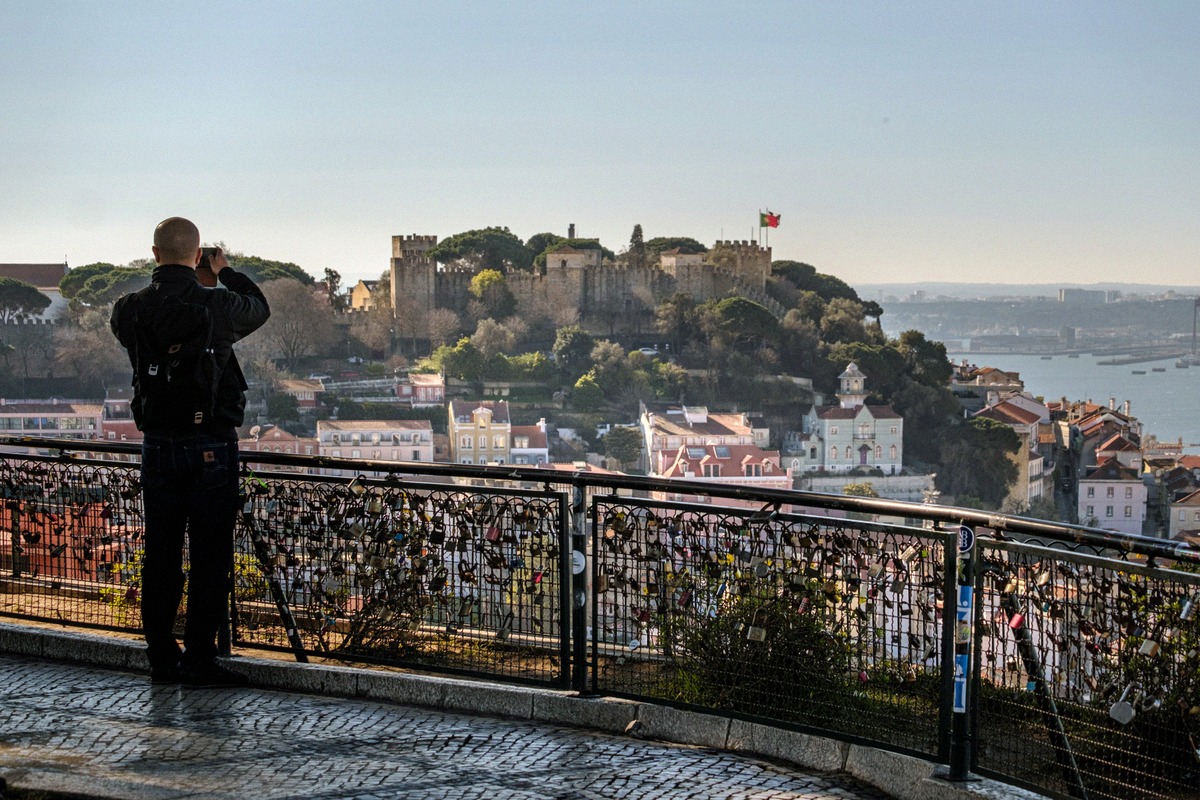
Miradouro da Senhora do Monte
Lisbon city centre's highest viewpoint, with a wide panorama over the old town, castle, Tagus and bridge. Free to visit, popular at sunset.
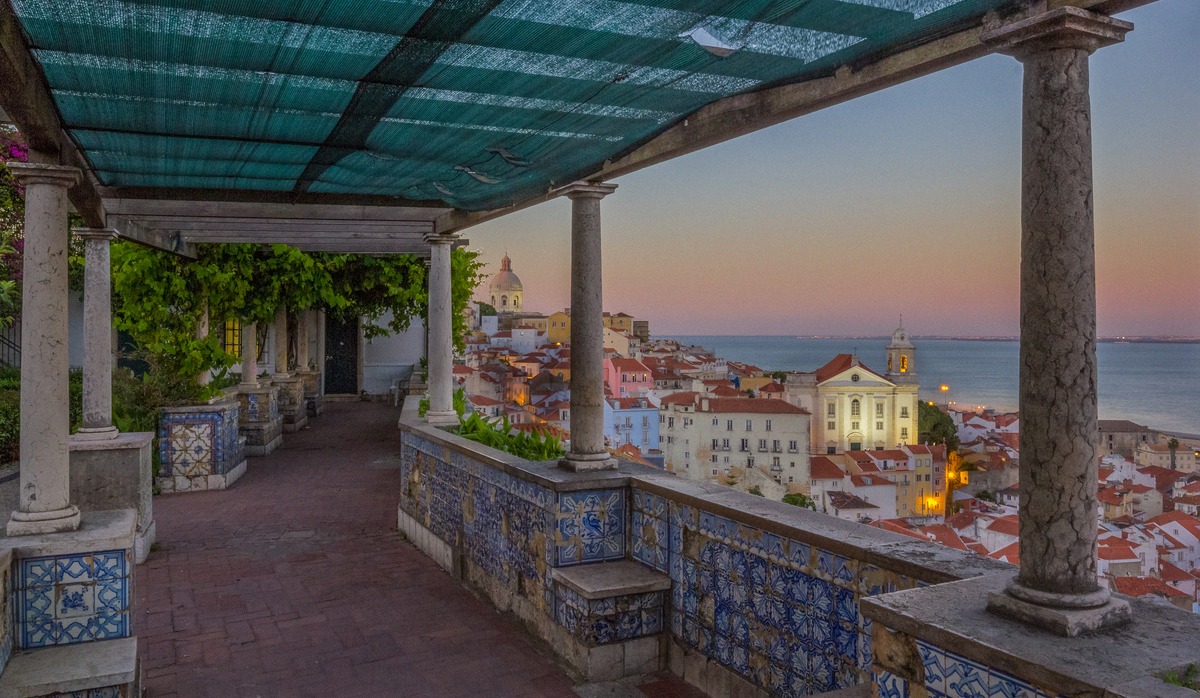
Miradouro de Santa Luzia
The Miradouro de Santa Luzia is Alfama's famous viewpoint terrace with a pergola, azulejos and a postcard view over the red rooftops to the Tagus. Free to visit, on the Tram 28 route.
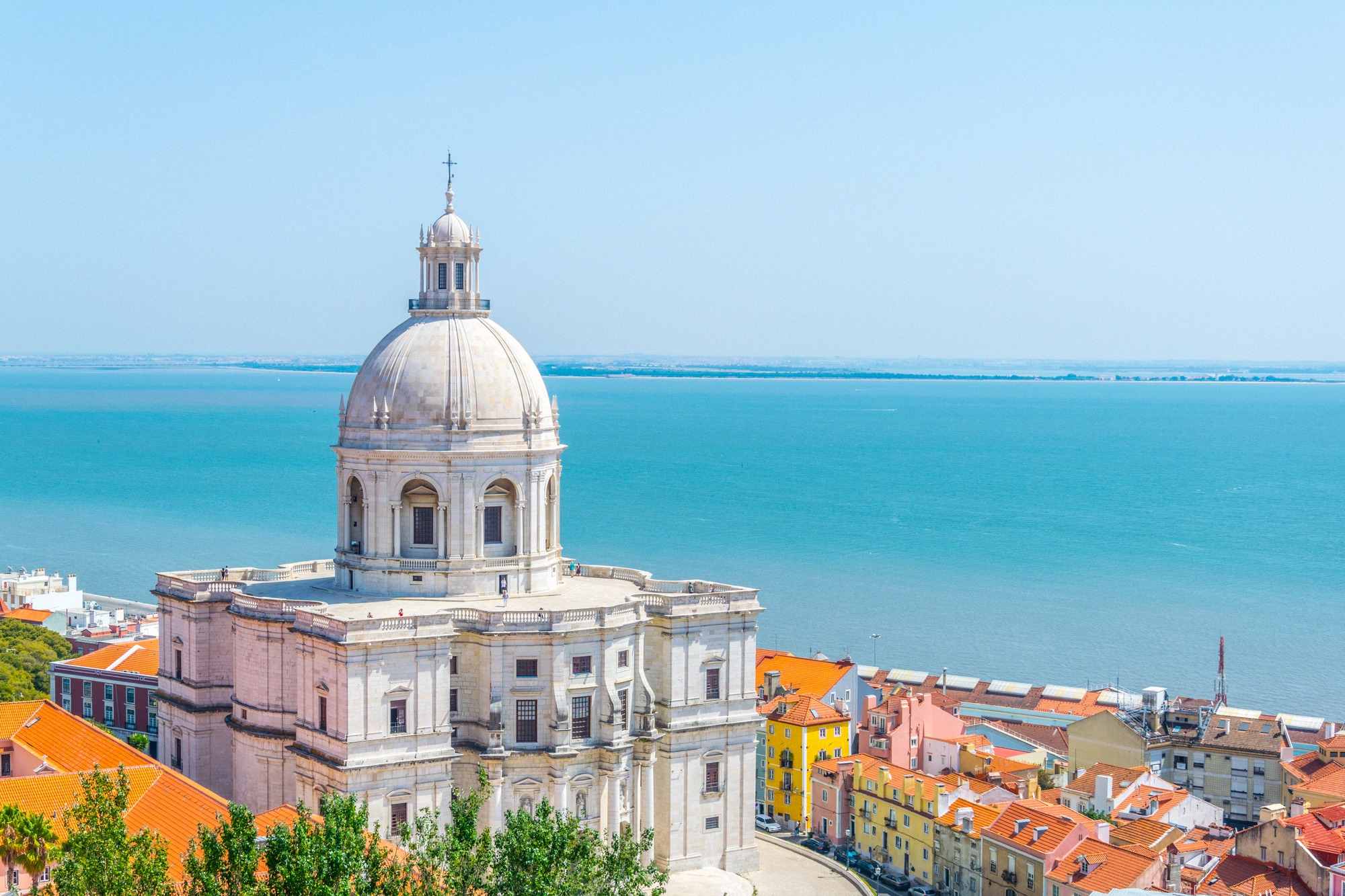
Panteão Nacional
Baroque domed church in Alfama and resting place of great Portuguese figures, from Amália Rodrigues to Eusébio. With a rooftop terrace over the rooftops and the Tagus.
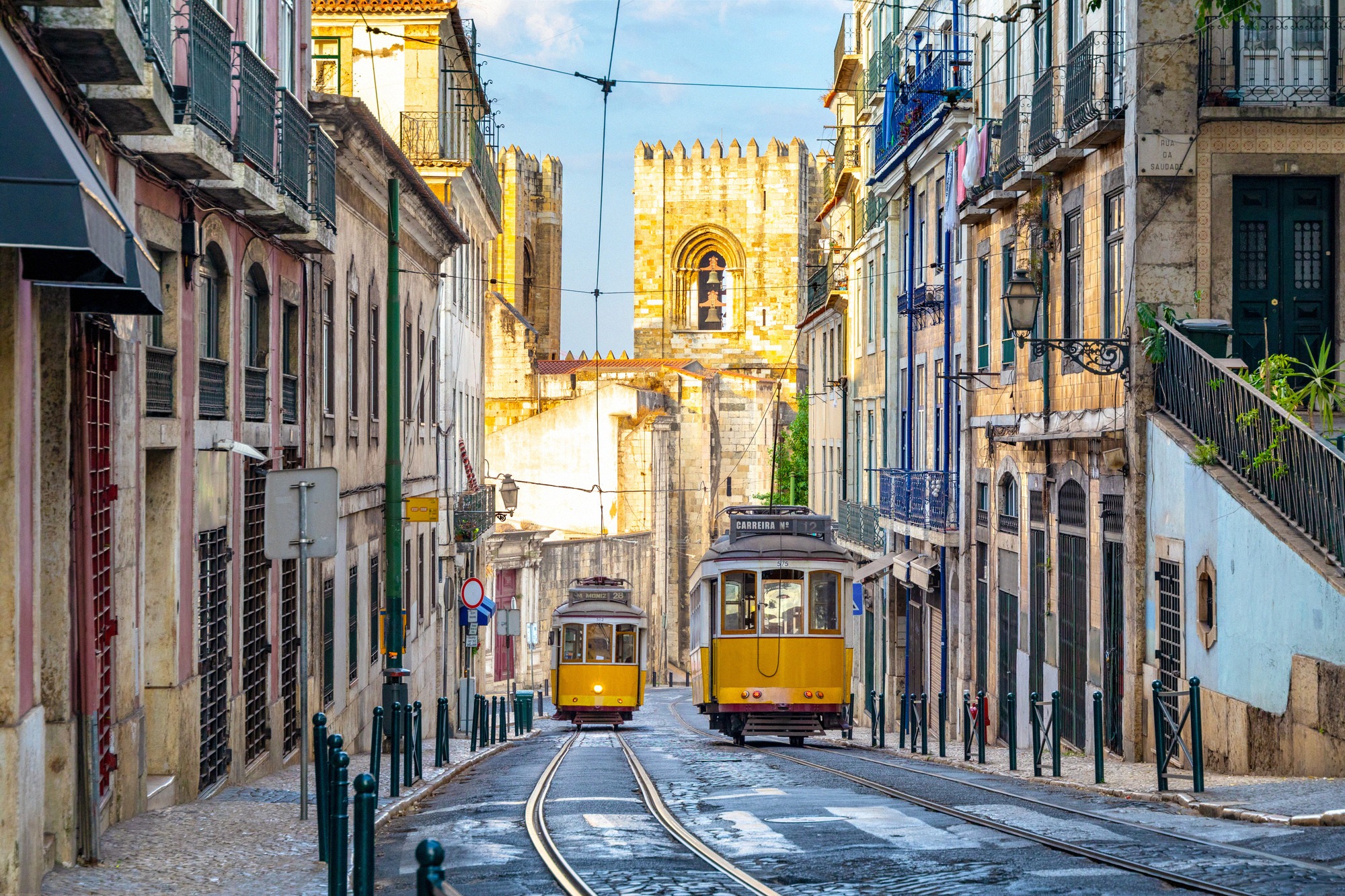
Tram 28
The yellow Carris Line 28E climbs through Graça, Alfama and Estrela, a sightseeing ride at public transport prices, from Martim Moniz to Campo de Ourique.
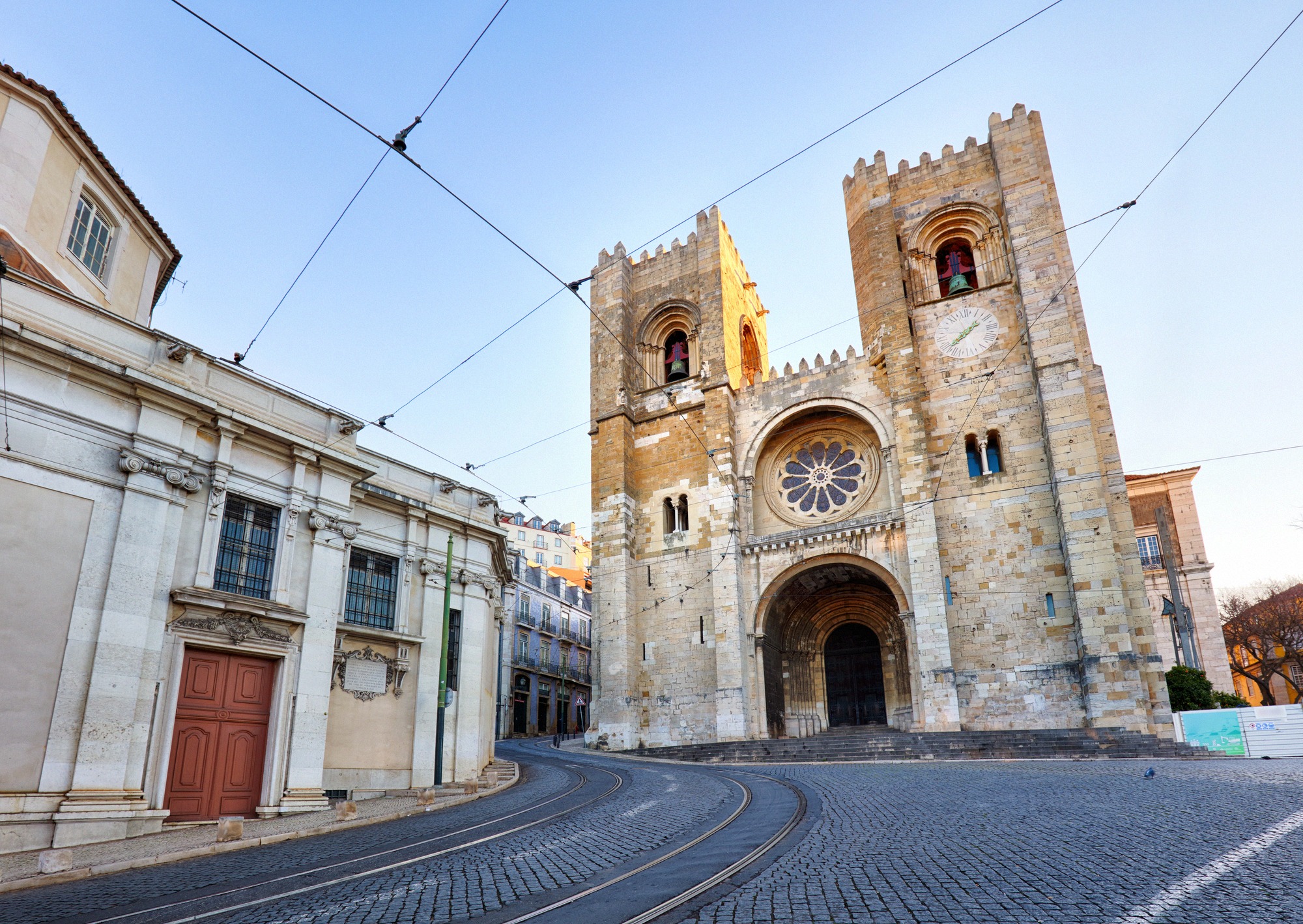
Lisbon Cathedral (Sé)
Lisbon's oldest church, from 1147, a fortress-like Romanesque cathedral with twin towers, a Gothic ambulatory and treasury, and the yellow Tram 28 outside.