Panteão Nacional
National Pantheon in the church of Santa Engrácia
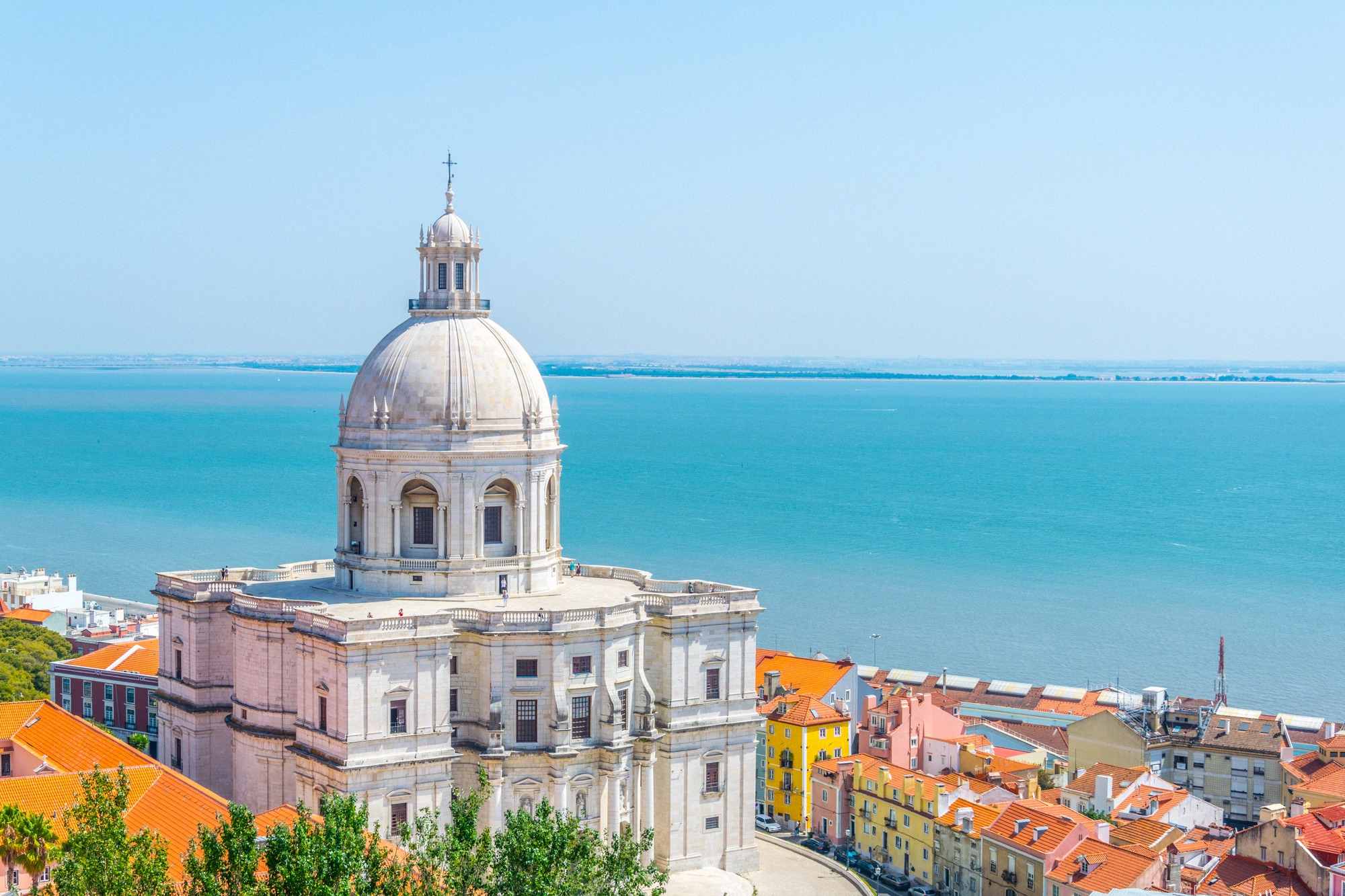
Baroque domed church in Alfama and resting place of great Portuguese figures, from Amália Rodrigues to Eusébio. With a rooftop terrace over the rooftops and the Tagus.
Contents
The Pantheon under the dome of Santa Engrácia
The Panteão Nacional is housed in the baroque church of Santa Engrácia, whose vast white dome shapes the skyline of eastern Alfama. Construction of the new building began in 1682 to a design by architect João Antunes (1643-1712), on a Greek-cross floor plan, but the dome itself wasn't completed until 1966. That nearly 300-year build time turned "obras de Santa Engrácia" into a Portuguese byword for a never-ending project. Since its completion, the building has served as the National Pantheon, honouring distinguished Portuguese figures.
Who rests here
Beneath the dome and in the side niches lie notable figures from politics, literature, music and sport:
- Presidents including Manuel de Arriaga, Teófilo Braga, Sidónio Pais and Óscar Carmona, plus presidential candidate Humberto Delgado.
- Distinguished writers: João de Deus, Almeida Garrett, Guerra Junqueiro, Aquilino Ribeiro, Sophia de Mello Breyner Andresen and Eça de Queiroz.
- Fado singer Amália Rodrigues, interred here since 2001 as the first woman in the Pantheon, and footballer Eusébio.
There are also honorary cenotaphs, memorials without a grave, for national heroes whose remains lie elsewhere: Luís de Camões, Pedro Álvares Cabral, Afonso de Albuquerque, Nuno Álvares Pereira, Vasco da Gama, Henry the Navigator, and the diplomat Aristides de Sousa Mendes, known as the "Consul of Bordeaux".
Rooftop terrace over Alfama
For many visitors the real highlight isn't inside but up top: a terrace running all the way around the dome opens up views over the rooftops of Alfama, the Tagus and the harbour district as far as the container terminal to the east. Because the Panteão sees far fewer visitors than the major monuments in Belém, this view can often be had almost to yourself, a quieter alternative to well-known miradouros such as Santa Luzia and Miradouro da Graça.
Visiting: the practicalities
Allow 45 to 60 minutes. It's open Tuesday to Sunday, in summer (Apr-Sep) from 10:00 to 18:00 (last entry 17:30), and in winter (Oct-Mar) until 17:00; the Pantheon is closed on Mondays, as well as on 1 January, Easter Sunday, 1 May, 13 June and 24-25 December. It's quietest in the mornings.
Admission costs €10 (as of 2026). There's a 50% discount for ages 13-24, over-65s and the family ticket; children up to 12 and others go free. With the Lisboa Card, entry is included at no extra cost. Tickets are available on site or online via the official byMEO Blueticket platform run by Museus e Monumentos de Portugal; queues are rarely an issue here.
The Panteão stands on Campo de Santa Clara in Alfama, with no direct metro connection. The usual way to get there is Tram 28 or bus 734 to Campo de Santa Clara. On Tuesdays and Saturdays, the famous Feira da Ladra flea market spreads out right next door, if you'd like to take in the market too, plan your visit for one of these days and aim for the morning.
Frequently asked questions
Who is buried in the Panteão Nacional?+
How much does admission cost?+
Is the rooftop terrace worth it?+
When is the flea market next door?+
Nearby
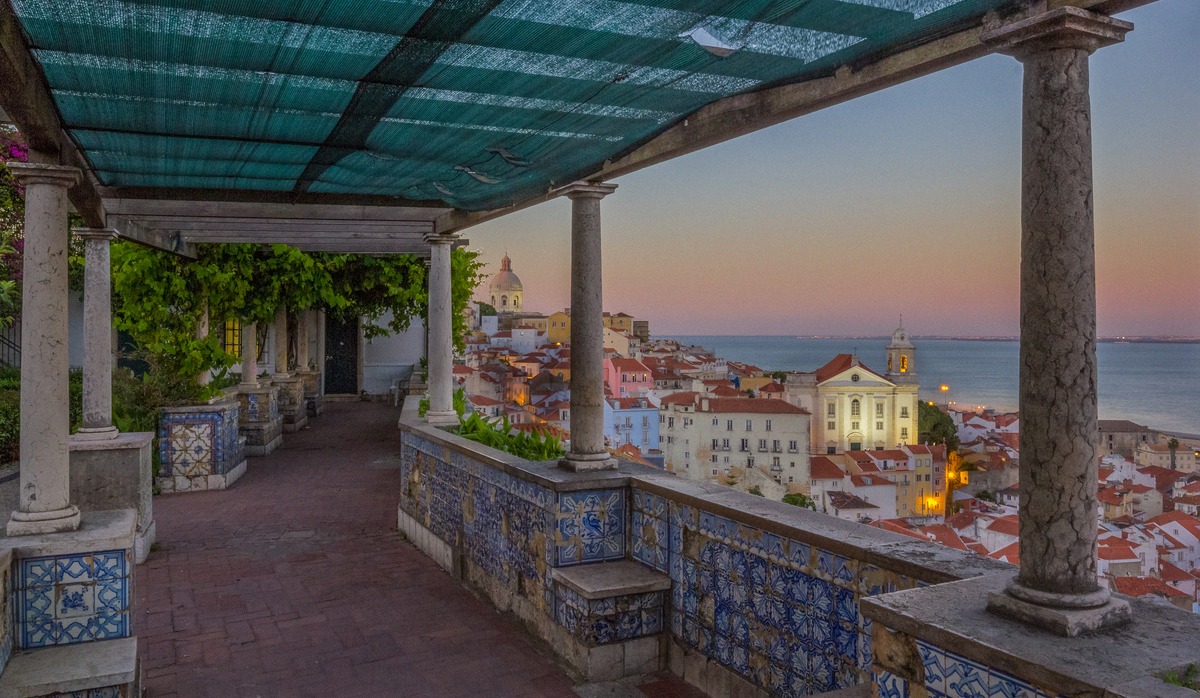
Miradouro de Santa Luzia
The Miradouro de Santa Luzia is Alfama's famous viewpoint terrace with a pergola, azulejos and a postcard view over the red rooftops to the Tagus. Free to visit, on the Tram 28 route.
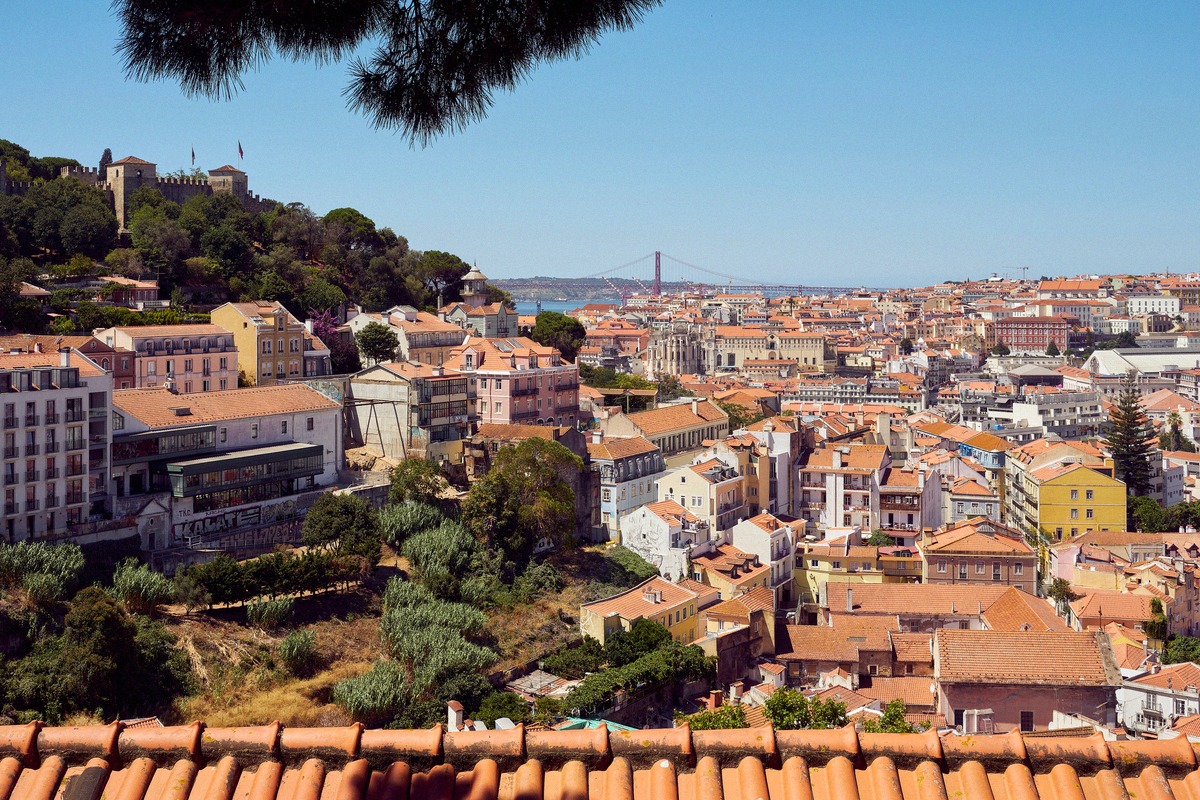
Miradouro da Graça
Officially the Miradouro Sophia de Mello Breyner Andresen: a wide square shaded by umbrella pines above Mouraria, with views of the castle and the Tagus.
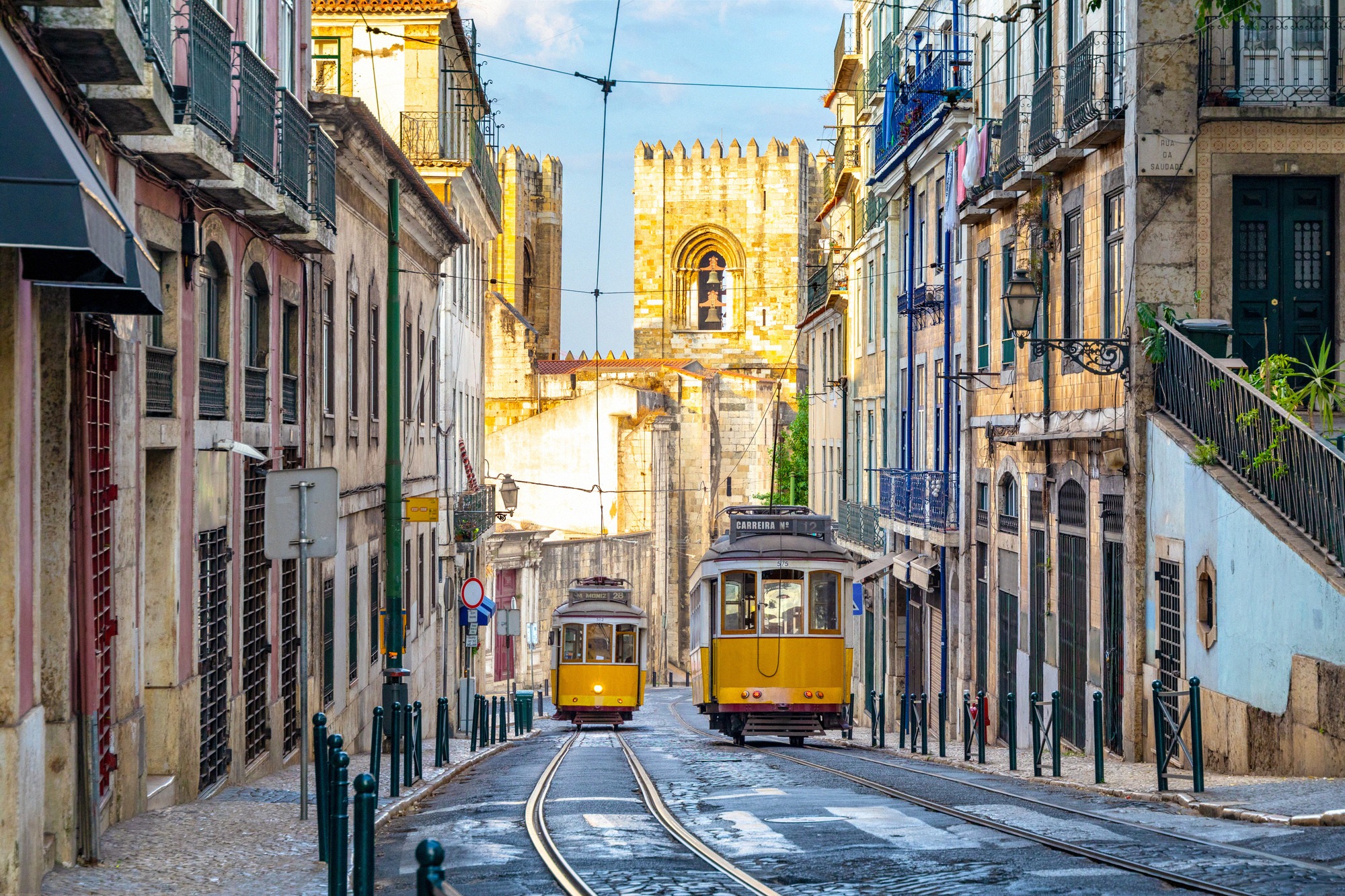
Tram 28
The yellow Carris Line 28E climbs through Graça, Alfama and Estrela, a sightseeing ride at public transport prices, from Martim Moniz to Campo de Ourique.
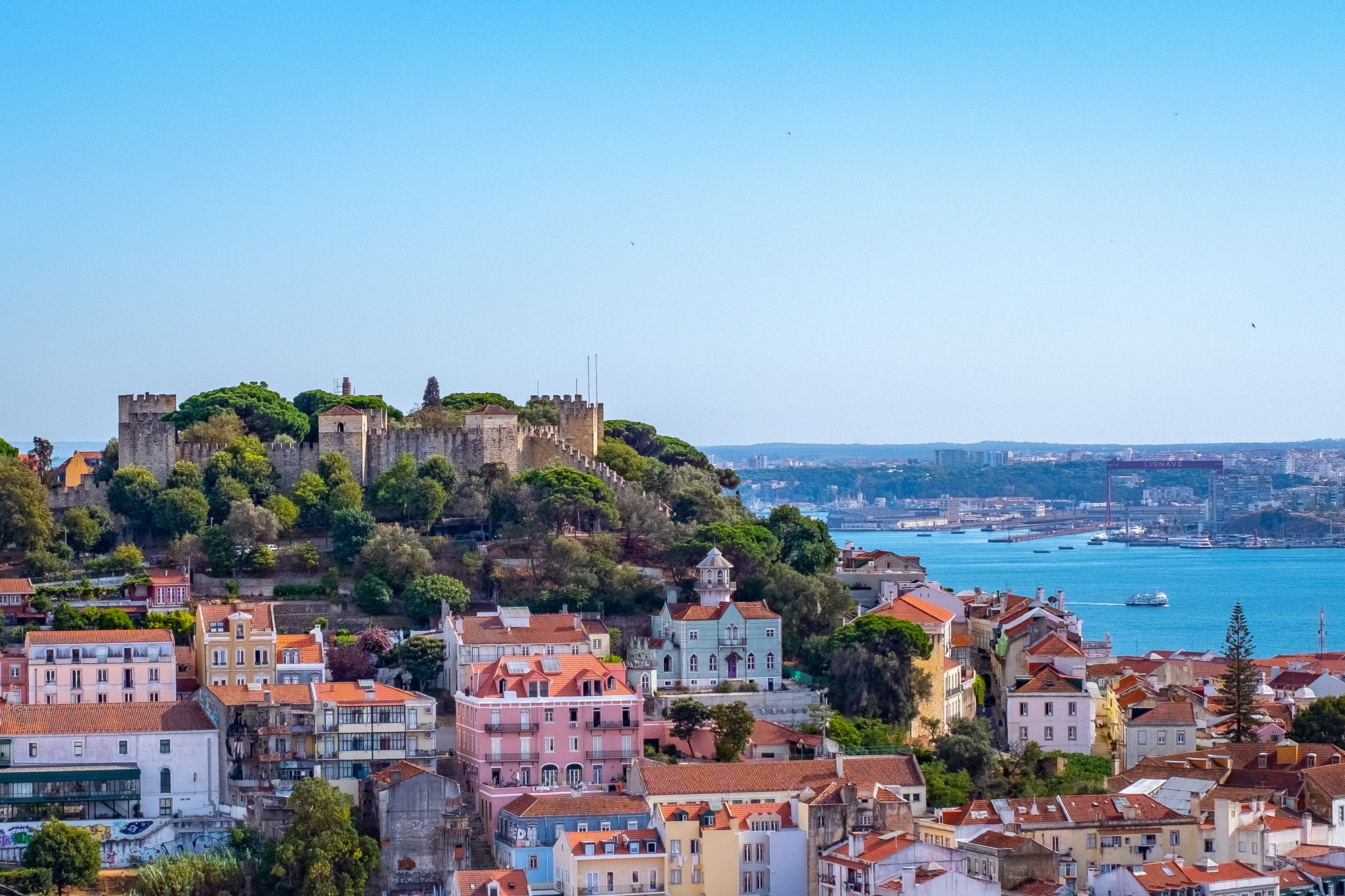
São Jorge Castle
The Moorish fortress crowns Lisbon's highest hill, with walkable ramparts, peacocks in the courtyard and the best all-round view over the old town and the Tagus.
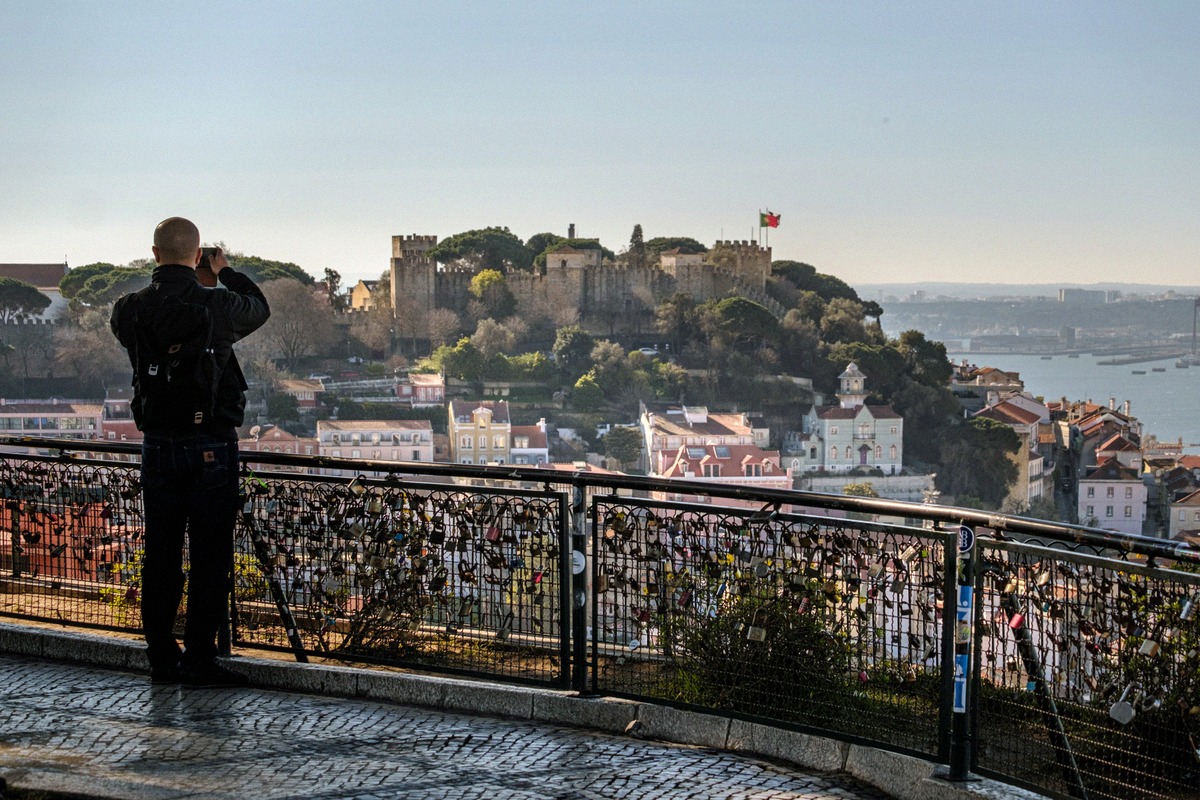
Miradouro da Senhora do Monte
Lisbon city centre's highest viewpoint, with a wide panorama over the old town, castle, Tagus and bridge. Free to visit, popular at sunset.
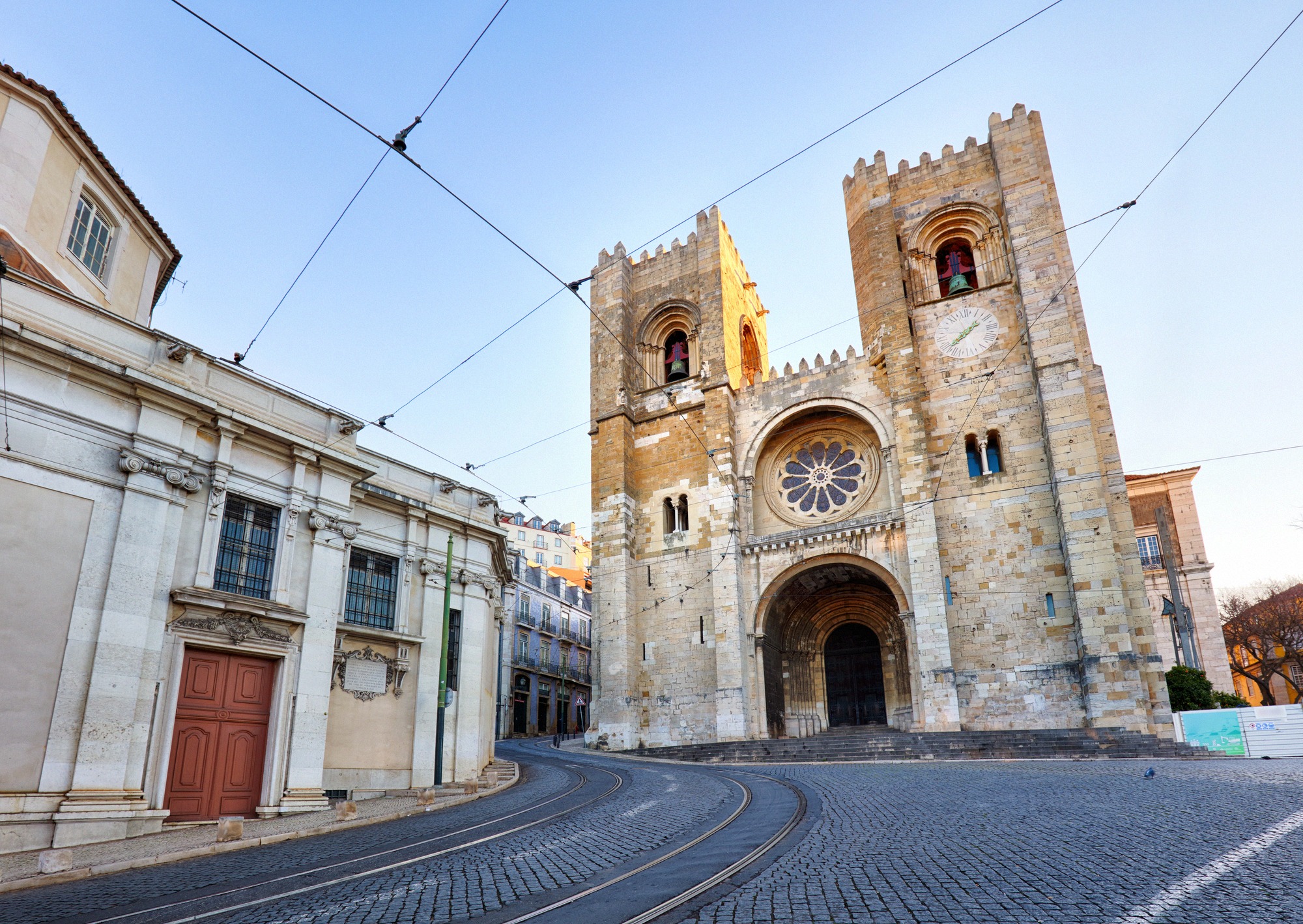
Lisbon Cathedral (Sé)
Lisbon's oldest church, from 1147, a fortress-like Romanesque cathedral with twin towers, a Gothic ambulatory and treasury, and the yellow Tram 28 outside.