Parque Eduardo VII
City park with a sweeping view down to the Tejo
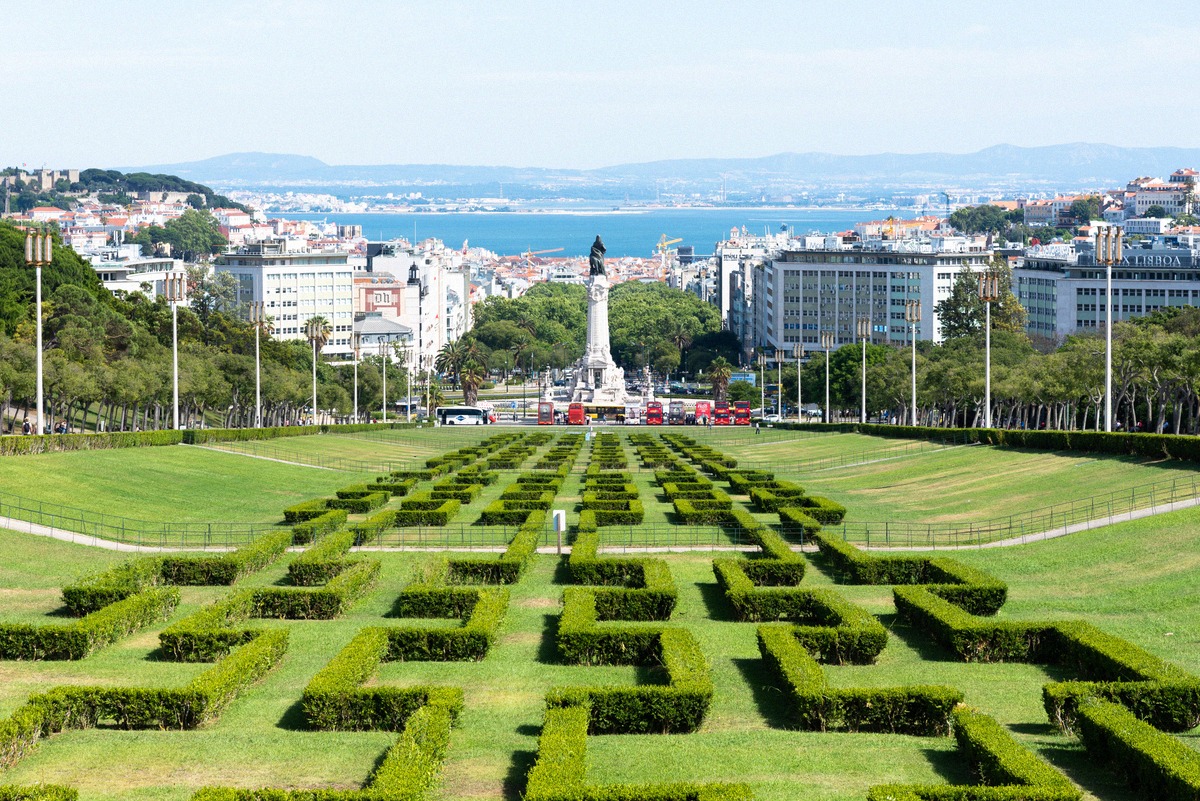
Lisbon's grand city park climbs in neatly patterned hedges to a long view down Avenida da Liberdade to the Tejo. Free entry; Estufa Fria ticketed separately.
Contents
Lisbon's green axis above the city centre
Parque Eduardo VII is the grand formal park at the heart of Lisbon, around 26 hectares in size and set at the upper end of the Baixa. Its name goes back to Britain's King Edward VII, who visited Lisbon in 1902, his first trip abroad as reigning monarch, made to reaffirm the old Anglo-Portuguese alliance. Previously called the Parque da Liberdade, the park was renamed Parque Eduardo VII in April 1903 to mark the visit.
Its defining feature is strict symmetry: a broad central lawn climbs the hill, flanked by long paths of Portuguese cobblestone and low, patterned hedges that split the park into two tree-lined halves. This formal design is the work of architect Francisco Keil do Amaral, who redesigned the park from the 1940s onward, hence its almost French, geometric look.
The view from the top
The real reason to make the climb is right at the northern end: a monumental viewpoint marked by the monument to the 25 April Carnation Revolution. From here, one of the city's finest urban sightlines opens up down the hedges, along the grand Avenida da Liberdade and on to Baixa and the Tejo. At sunset, when the light turns golden, this is one of Lisbon's best free views.
The park climbs noticeably from the southern end at the bottom up to this point. If you'd rather take it easy, ride the metro up to the top and walk the park downhill instead of working your way up from Marquês de Pombal.
Other things to see in the park
- Estufa Fria, the public glasshouse on the north edge (see below), the most worthwhile detour in the park.
- Pavilhão Carlos Lopes, on the east side, a striking building that was originally the Portuguese pavilion at the 1922 exhibition in Rio de Janeiro and was later named after the 1984 Olympic marathon champion.
- Feira do Livro, the long promenades host Lisbon's annual book fair each year, one of the city's biggest book events.
The Estufa Fria
On the north edge of the park is the Estufa Fria, a cool public glasshouse run by the city of Lisbon (Câmara Municipal de Lisboa). It's divided into three sections, the Estufa Fria itself (cold), the Estufa Quente (warm) and the Estufa Doce, with over 300 plant species between them, plus ponds and shaded paths under the characteristic slatted roofs. It's the only part of the park with its own opening hours and admission fee.
In summer (from the last Sunday in March) it's open 10:00-19:00, and in winter (from the last Sunday in October) 09:00-17:00; closed on 1 January, 1 May and 25 December. The standard ticket costs €3.10, with reduced rates of €2.33 (Cartão Jovem) and €1.55 (students and seniors). Children under 6 and holders of the Lisboa Card get in free; on Sundays and public holidays until 14:00 entry is free for everyone. Check exact times and prices at estufafria.lisboa.pt before you go.
Visiting & practicalities
A straight park walk from top to bottom takes 30 to 45 minutes; allow 60 to 90 minutes if you're adding the Estufa Fria. The morning is the most pleasant time, for the light and fewer crowds, if you want to photograph the sightline, head to the top at sunset.
At the lower, southern end is Marquês de Pombal metro station (blue line Azul and yellow line Amarela), just a few minutes' walk from the park entrance; Parque station (blue line) stops right next to it. From there the park climbs uphill to the viewpoint. The park is open access every day, with no gates and no admission fee, only the Estufa Fria is ticketed separately.
The visit pairs well with the nearby Gulbenkian Museum and a stroll down the Avenida da Liberdade into Baixa. If you're collecting viewpoints, you'll find more in our overview of Lisbon's miradouros; for getting to and from the park, see our guide to public transport in Lisbon.
Frequently asked questions
What can you see from Parque Eduardo VII?+
Is there an entrance fee for the park?+
What is the Estufa Fria?+
How do you get there?+
Nearby
Gulbenkian Museum
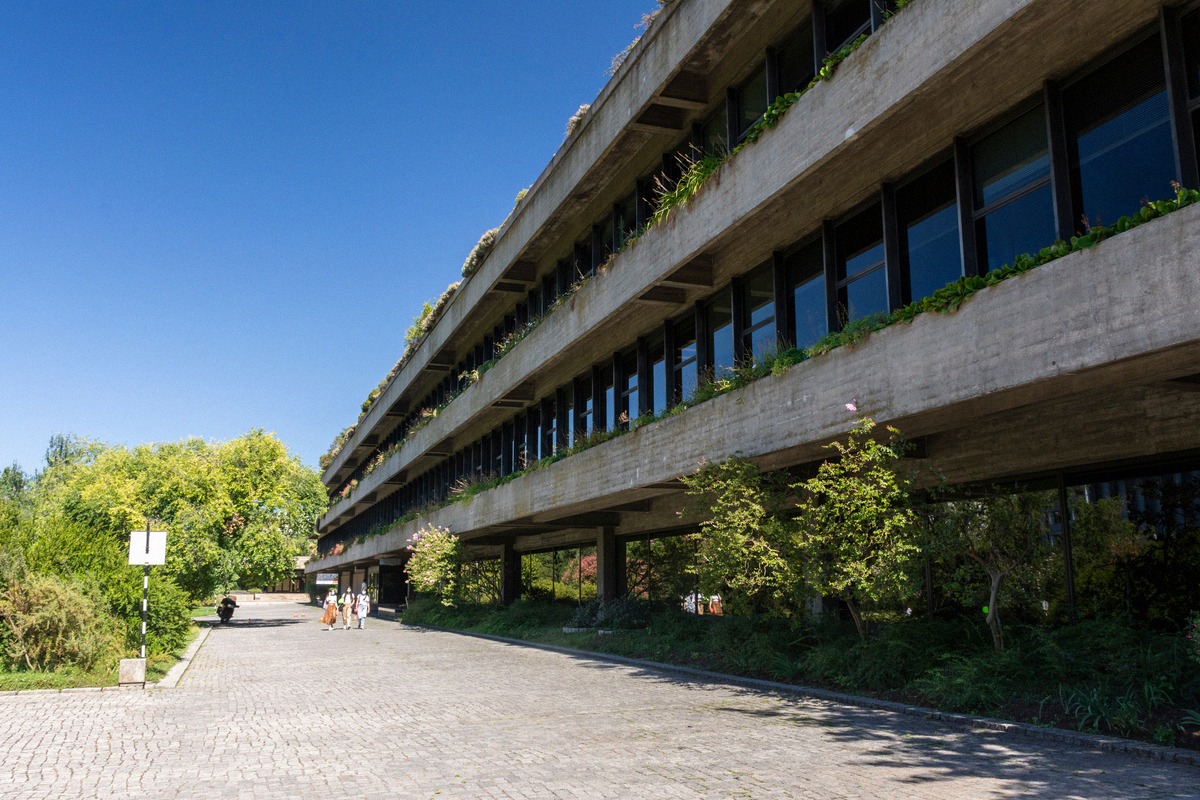
The Museu Calouste Gulbenkian holds the private world-class collection of an oil magnate, from ancient Egyptian art to Rembrandt and around 200 Lalique pieces, plus a free park.
Miradouro de São Pedro de Alcântara
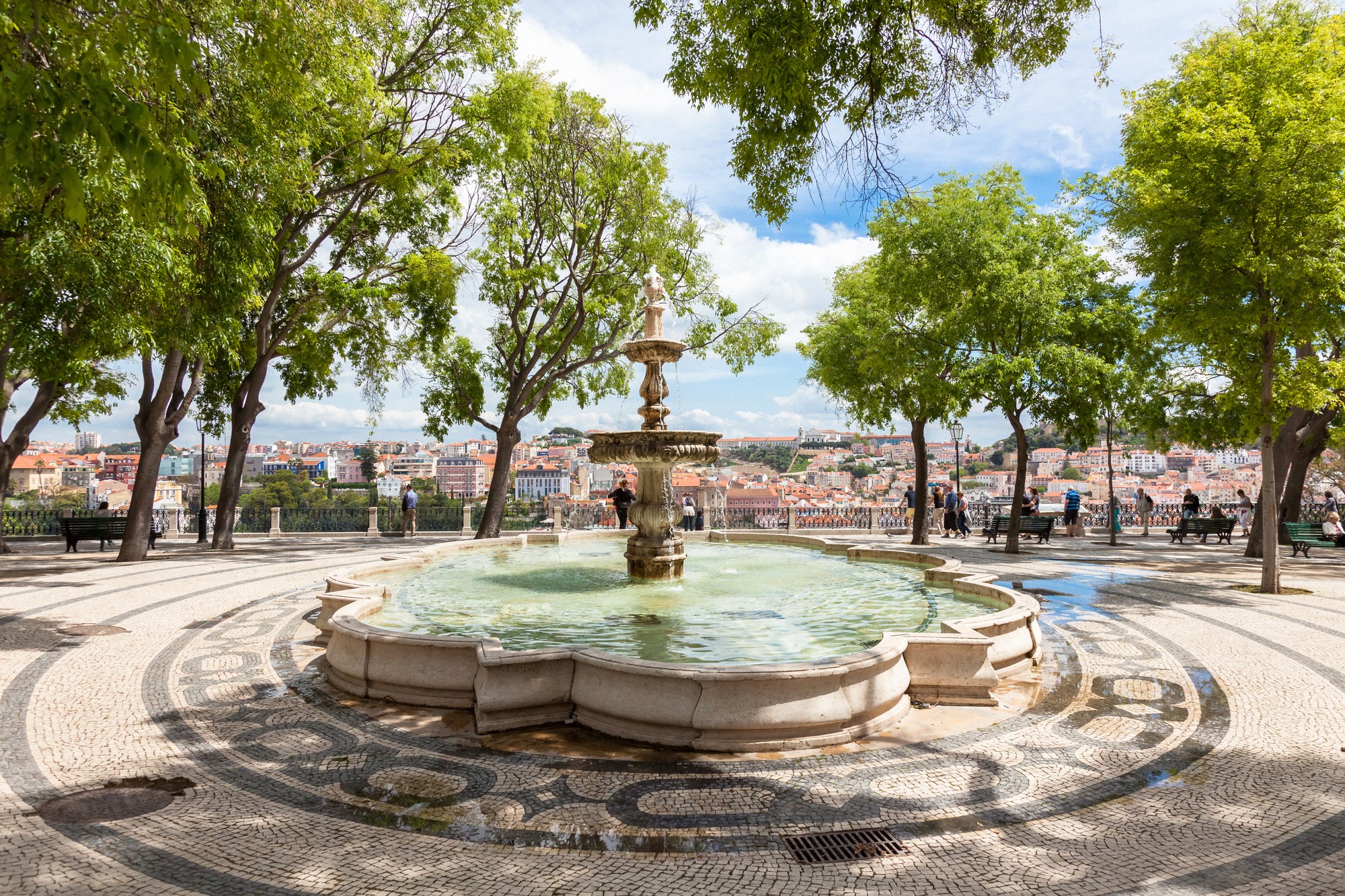
The Miradouro de São Pedro de Alcântara is a two-tier viewpoint garden on the edge of Bairro Alto, with statues, a fountain and open views across the Baixa to São Jorge Castle.

Estrela Basilica
The Basílica da Estrela of 1790 crowns a hill in western Lisbon, marble interior, the tomb of Queen Maria I and a cork nativity scene.
Igreja de São Roque
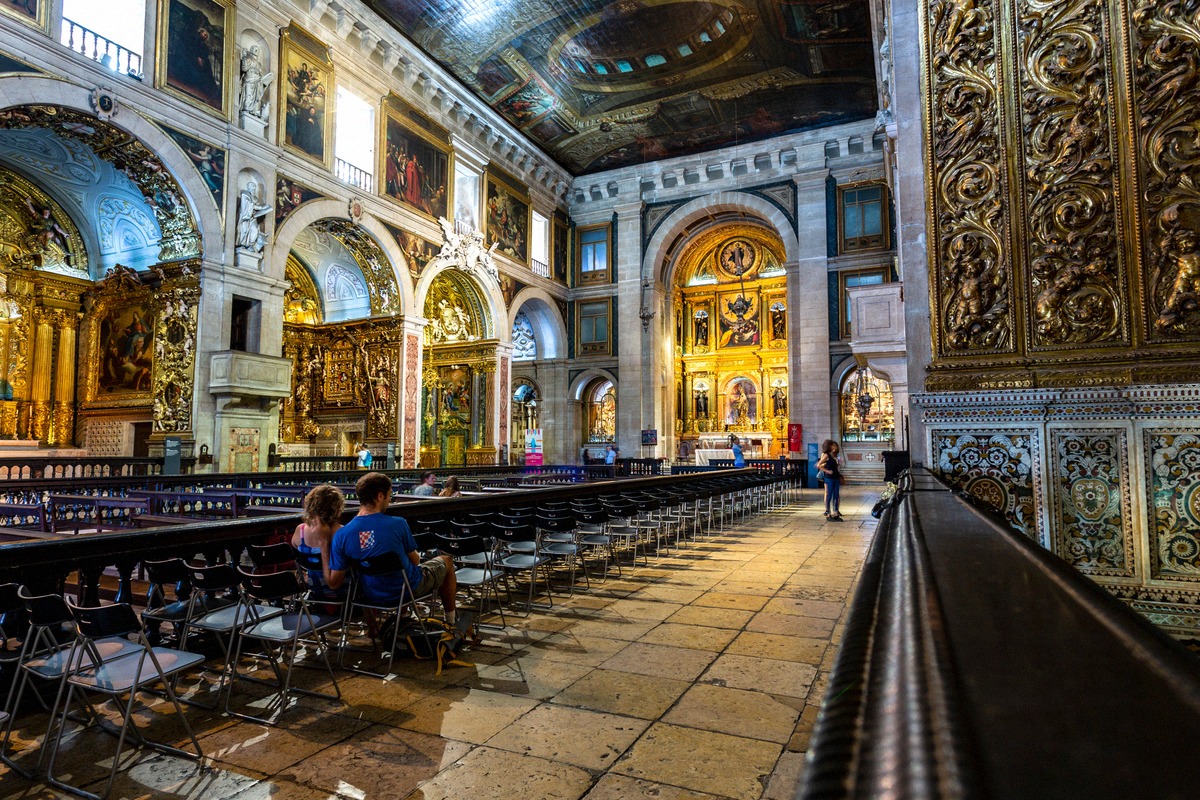
Behind a plain façade, this Jesuit church in Bairro Alto hides one of the world's most lavish Baroque chapels, made in Rome from gold, silver and lapis lazuli.
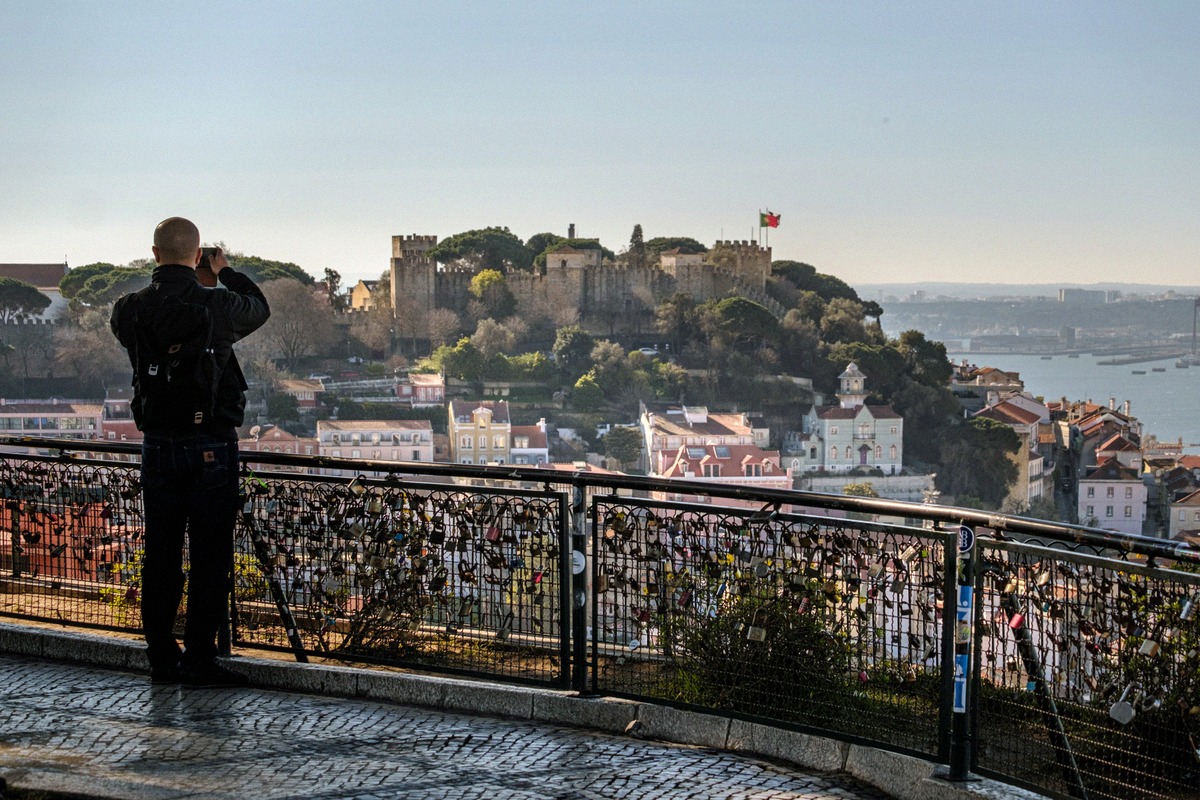
Miradouro da Senhora do Monte
Lisbon city centre's highest viewpoint, with a wide panorama over the old town, castle, Tagus and bridge. Free to visit, popular at sunset.
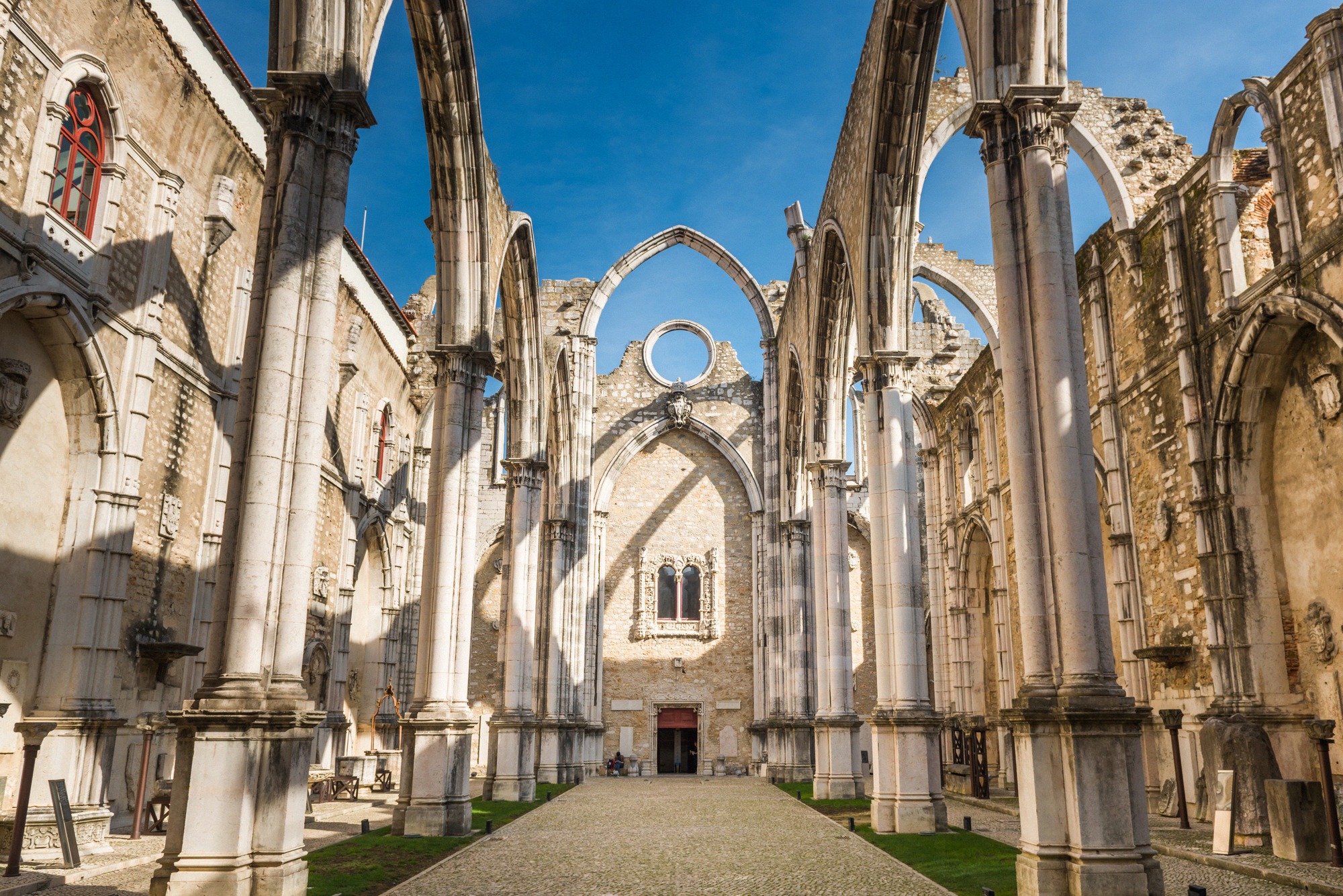
Carmo Convent
This roofless Gothic ruin above the Baixa recalls the 1755 earthquake, its open arches against the sky are now a memorial and archaeology museum.