Food & Drink in Lisbon: Pastéis, Bacalhau & Tascas
Pastéis de Nata, bacalhau, grilled sardines, tascas and ginjinha, what to try in Lisbon, where it tastes best, and what it costs in 2026.
By lissabon.info editorial team · Travel editors · Last updated: June 2026
Contents
Lisbon's cuisine is hearty, fish-driven and often good value compared with other western European capitals. Travellers with an appetite are well looked after here, from the sweet pastelaria through the rustic tasca to a ginjinha drunk standing at the counter. This guide rounds up the specialities worth trying, with addresses, 2026 price guides, and honest advice on where the queue is worth it and where it isn't.
Pastéis de Nata - Belém or Manteigaria
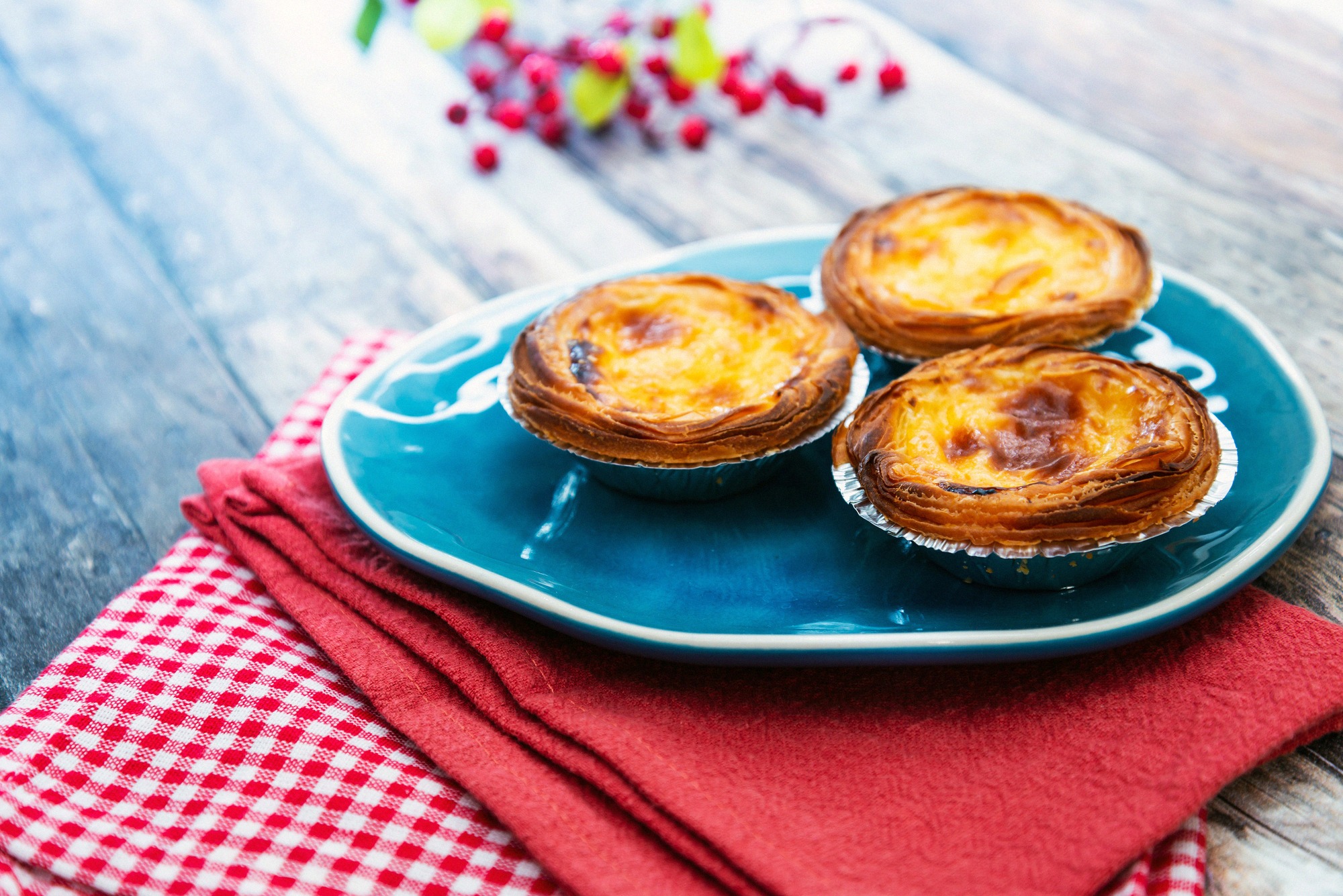
The city's signature sweet is the Pastel de Nata, a flaky pastry tart filled with custard and served warm with cinnamon and icing sugar. The original has been made since 1837 at Pastéis de Belém on Rua de Belém 84-92 in the Belém district, open daily from 8:00 to 23:00. A tart costs around EUR 1.50 in 2026, a box of six to take away about EUR 9; there's no admission charge. In 2026, TasteAtlas named the address the world's best pastry shop.
The infamous queue outside is usually just the takeaway line. If you want to sit in the café, walk straight in, the place seats over 1,000, and you rarely wait long indoors. The busiest window is between 10:00 and 17:00, especially on weekends from April to October. To avoid the crush, come early or later in the evening.
The main alternative is Manteigaria, with five branches around the city, the original is in Chiado on Rua do Loreto 2, near Praça Luís de Camões, with further outlets in the Time Out Market, on Rua Augusta in Baixa, in Belém and on Avenida da Liberdade. A tart here costs around EUR 1.50 too, with waits rarely longer than five minutes. Locals mostly argue over these two for the best natas - Manteigaria is generally seen as sweeter, with a crispier, sturdier base and an open kitchen behind glass. Pair it with a bica, the Portuguese espresso.
Bacalhau, salt cod in countless guises
No food is as closely tied to Portuguese cooking as bacalhau, salted and dried cod said to have 365 different preparations. Four versions turn up on almost every menu:
- Bacalhau à Brás, shredded cod with matchstick fries, onions and egg, bound together creamily in the pan. In traditional tascas, often around EUR 14.
- Bacalhau à Gomes de Sá, layered with potatoes, onions, olives and egg in an earthenware dish and baked.
- Bacalhau com Natas, baked with cream until golden, on the richer side; usually around EUR 16.
- Bacalhau à Zé do Pipo, cod loin topped with caramelised onions, mashed potato and mayonnaise and baked. The dish was invented in Porto in the 1940s by José Valentim, known as Zé do Pipo, and won a national cooking competition for best dish at the best price in the 1960s.
As a rule of thumb for 2026, bacalhau dishes cost around EUR 14 to 18 in simple tascas, baked bacalhau assado towards the higher end, and EUR 22 to 28 in upmarket restaurants. If you like variety, order two different preparations and share.
Sardines and the Santos Populares season
In summer the whole city smells of sardinhas assadas, sardines grilled fresh over charcoal. The season runs from late May to early October, peaking in June with the Santos Populares festivities around the city's patron saint, Santo António; the big feast night falls on 12 June. For exact festival dates and what else is happening in the city, see the Best Time to Visit guide.
During the festas, street stalls across the city grill from late afternoon onward, especially in the narrow lanes of Alfama and Mouraria. Sardines are traditionally served on a slice of bread with grilled peppers; a street meal like this costs around EUR 10 to 15. Outside the season, particularly in winter, fresh sardines are rarely on offer - worth switching to other fish dishes instead.
Tascas, where locals eat
The tasca is the honest neighbourhood restaurant, small, often without a website, a handful of tables and a menu of the day. Main courses here typically run EUR 6 to 13. A few reliable addresses are spread across the city:
- Zé dos Cornos - Beco dos Surradores 5 in Mouraria, known for grilled ribs around EUR 13.
- Zé da Mouraria - Rua João do Outeiro 24, also in Mouraria.
- Das Flores - Rua das Flores 76-78 in Chiado.
- Tasquinha do Lagarto - Rua de Campolide 258, a fixture in the Campolide neighbourhood since
A few quirks are worth knowing. Many tascas open weekday lunchtimes only, prefer cash, and the couvert (bread, olives, spreads) is never free, expect roughly EUR 0.50 to 3 per item, and you can simply send it back if you don't want it. For popular spots, arrive before 12:45 or book ahead; the sought-after O Velho Eurico in Alfama at Largo São Cristóvão 3 is often booked out weeks in advance. It's exactly this mix of daily set menu and loyal regulars that makes the tasca the best bet for authentic, inexpensive home cooking.
Ginjinha and Portuguese wine
Lisbon's signature aperitif is ginjinha, a sweet sour-cherry liqueur traditionally drunk standing up in tiny bars around Rossio. The most famous is A Ginjinha (Ginjinha Espinheira) at Largo de São Domingos 8, running since 1840. A glass costs around EUR 1.50, served com (with soaked cherries) or sem (without). Two more historic outlets are within walking distance
- Ginjinha Sem Rival, open since 1890 on Rua das Portas de Santo Antão, which also sells the Eduardino liqueur, and Ginjinha Rubi, since 1931 on Rua de Barros Queirós. Many ordinary bars and restaurants also serve ginjinha as a digestif.
Portuguese wine is the natural pairing with a meal. Vinho Verde is both a region and a wine style, a young, fresh white with only around 9 to 12 percent alcohol, made from the Alvarinho, Arinto and Loureiro grapes, and an excellent match for seafood. Menus also carry robust reds from the Douro and Port wine. In Lisbon wine bars, a good glass costs around EUR 3 to 6, bottles start at about EUR 15; restaurant mark-ups vary widely.
Time Out Market and what a meal costs
For plenty of choice under one roof, head to the Time Out Market Lisboa in the historic Mercado da Ribeira on Av. 24 de Julho 49 at Cais do Sodré, just two minutes from the metro stop on the green line. Admission is free, you only pay for what you eat. Around 26 food stalls from the city's leading chefs and restaurateurs share the space, alongside bars, kiosks and shops; budget around EUR 20 per person. It's open daily from 10:00 until late (midnight or later depending on the day). More on this in the Time Out Market profile.
For budgeting purposes, some 2026 guide prices: lunch averages EUR 8 to 12, a three-course dinner with wine or beer in tourist-oriented restaurants EUR 25 to 30. The best value is the Prato do Dia, the set menu of soup, main course and dessert or coffee, often including a drink, typically served between 12:00 and 14:00 for around EUR 8 to 12. Expect to pay more in tourist-heavy areas like Chiado and parts of Baixa, and anywhere waiters tout for customers on the street. Neighbourhood restaurants on side streets and outside the historic core are noticeably cheaper, and taking the main meal at lunchtime saves further.